
Induction Hob vs Gas: Is It Time to Make the Switch in 2026?
Deciding between gas and induction used to be a matter of "flame vs. tech," but in 2026, the conversation has shifted toward the bottom line: energy independence and home health. As the UK moves further away from fossil fuels, many Brits are wondering if their trusty gas burner is becoming a liability. In this guide, we’ll break down the efficiency gap, the impact of volatile energy prices, and how smart tech can finally make electric cooking cheaper than gas.
How Cooking Energy Is Changing in UK Homes
The British kitchen is undergoing its biggest transformation since the arrival of the microwave. It's no longer just about how fast you can boil a kettle; it’s about aligning with a national shift in energy philosophy.
1. Rising Gas Price Volatility in the UK
While the extreme spikes of previous years have leveled off, gas remains at the mercy of global supply chains. For UK households, this means "price plateaus" that sit much higher than pre-2020 levels, leaving many to wonder why is UK electricity so expensive and how to manage the monthly gas bill, which remains a source of constant uncertainty.
2. Electrification and Net Zero Targets
The government’s push toward Net Zero is no longer a distant goal. With incentives shifting toward heat pumps and electric infrastructure, gas is increasingly seen as the "legacy" fuel. Switching to induction is becoming a standard step in future-proofing a modern British home.
3. Indoor Air Quality Concerns
We're becoming much more "clued up" about what we breathe. According to the UK Department for Environment, Food & Rural Affairs (DEFRA), gas hobs can emit nitrogen dioxide levels of 50–70 µg/m³ during cooking, exceeding recommended indoor limits in poorly ventilated kitchens. In contrast, induction hobs produce zero direct emissions, making them the healthier choice for indoor air quality.
Comparing the Real Costs of Gas and Induction
When you’re weighing up the two, you have to look past the initial price tag of the appliance and consider the "running math."
1. Energy Efficiency and Heat Transfer Differences
Data from the Energy Saving Trust (2024) shows that traditional gas hobs have a thermal efficiency of around 38–42%, with roughly 60% of heat lost to the kitchen air. Induction hobs, in comparison, achieve about 85–90% efficiency, transferring nearly all energy directly to the pan, making cooking faster and cheaper.
2. Typical Monthly Cooking Costs in the UK
On paper, a unit of gas (kWh) is still cheaper than a unit of electricity. However, because induction is so much more efficient and faster, the gap in monthly spend has narrowed significantly. For a typical UK family of four, cooking dinner on gas costs approximately £35–40 per month, while induction on a standard electricity tariff costs £38–42. However, thanks to higher efficiency and faster cooking times, switching to induction can reduce cooking energy by 30–40% if paired with off-peak electricity or solar storage, potentially saving £10–15 per month.
3. Installation and Upgrade Costs
If you’re switching from gas to electric, you’ll likely need a sparky to run a dedicated 30-amp circuit to the kitchen. This is a common part of the process when you decide to make your home more energy-efficient by upgrading legacy appliances. This initial "hit" to the wallet is the main barrier, though many find the ease of cleaning and safety benefits worth the one-off cost.
4. Long-Term Maintenance and Lifespan
Gas hobs are mechanically simple but can be a nightmare to deep clean. Induction hobs, with their glass surfaces, are easy to wipe down but contain complex electronics. Generally, both should last 10–15 years, but induction keeps the rest of your kitchen cleaner by reducing grease-laden steam.

What Actually Determines Your Cooking Costs in the UK
It’s not just what you cook with, but when and how you use it that dictates your energy bill.
1. Peak-Time Electricity Tariffs
In 2026, the UK’s Time-of-Use (ToU) tariffs—similar to the traditional Economy 7 tariff—are the "new normal." If you’re frying up sausages at 6:00 PM on a standard plan, you’re paying a premium. This "peak-time penalty" is the biggest hurdle for electric cooking.
2. Gas Heat Loss and Efficiency Gaps
Every time you see heat shimmering around the side of your pot on a gas stove, that’s money evaporating into the room. This wasted energy makes gas far less economical than the raw "price per kWh" suggests.
3. Cooking Habits That Influence Costs
Using the right-sized pan and keeping lids on might seem like "grandma's advice," but it significantly reduces the "on-time" of your hob, regardless of the fuel source.
| Feature | Gas Hob | Induction Hob | Notes |
|---|---|---|---|
| Thermal Efficiency | 38–42% | 85–90% | Source: Energy Saving Trust 2024 |
| Typical Monthly Cost | £35–40 | £38–42 | Can drop £10–15 with off-peak/off-grid power |
| Installation | Low cost if existing gas line | Higher if electrical upgrade needed | Dedicated 30 A circuit recommended |
| Maintenance | Easy mechanically, hard to deep clean | Easy wipe-clean, electronics require care | Lifespan 10–15 yrs both |
| Indoor Air Quality | Emits NO₂ & PM | Zero direct emissions | / |
Smart Ways to Lower Your Cooking Costs
The real trick to winning the energy game in 2026 isn't just buying an efficient hob—it's implementing a smart home energy management system(HEMS) to effectively manage the power behind it.
1. Improve Efficiency with the Right Cookware
Induction requires ferrous (magnetic) metal. Investing in high-quality, flat-bottomed cast iron or stainless steel ensures the magnetic field transfers energy with zero waste.
2. Align Cooking with Off-Peak Energy Periods
True cost optimization stems from "load shifting." In 2026, UK electricity prices during the evening peak are significantly higher than at other times. Even with an efficient induction hob, cooking dinner during the "Big Peak" can drive up your bills. The secret to lowering costs lies in skillfully avoiding high-grid-price periods.
The EcoFlow PowerOcean (Single-Phase) storage system provides the perfect physical solution for this. With an expandable capacity of up to 45kWh, it allows you to pre-store solar energy from the day or cheap off-peak electricity from the dead of night. When you start your evening meal, the system automatically draws from your battery reserves rather than the expensive grid. This setup effectively offsets the high-power draw of kitchen appliances, keeping your cooking costs to an absolute minimum while achieving true energy independence.
3. Monitor and Adjust Household Energy Use
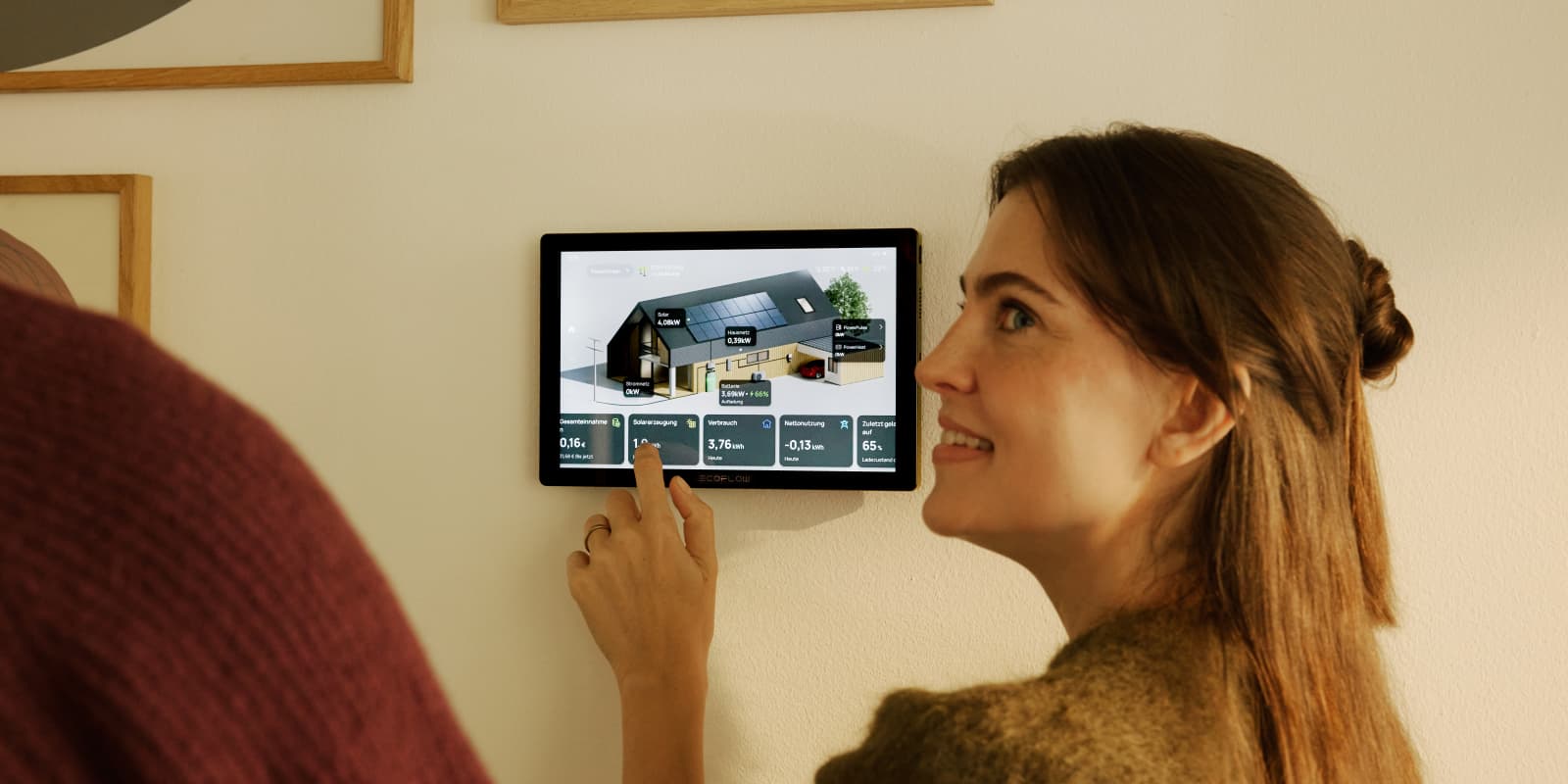
The key to lowering cooking costs isn't cooking less; it's managing when you use energy with precision. The EcoFlow PowerInsight 2 acts as the "energy brain" of your home. Through its 11-inch interactive screen, you can monitor the real-time consumption of appliances like your induction hob alongside your battery levels. This visual data makes it easy to spot energy leaks and adjust your habits based on real-time prices, moving you from "passive payer" to "active energy manager."
Should You Switch to Induction in 2026?
It’s a big decision, but for most UK homes, the scales are tipping toward the plug.
When Induction Makes Financial Sense: If you already have solar panels, or if you are planning to install a home battery storage, induction is a "no-brainer." It allows you to cook using "free" or cheap stored energy.
When Gas May Still Be Practical: If your home's electrical consumer unit is ancient and requires a multi-thousand-pound upgrade just to support a new hob, sticking with gas for a few more years might be the pragmatic choice.
Review Your Long-Term Home Plans: If you’re planning to stay in your home for the next decade, the health benefits, safety (no open flames), and integration with smart energy systems make induction the superior investment.
What kind of product or solution are you interested in?
Conclusion
Switching to an induction hob in 2026 is about more than just a sleeker kitchen—it’s about taking control of your home’s energy ecosystem. While gas has served us well for decades, the combination of induction efficiency and smart storage solutions like the EcoFlow PowerOcean means you can finally cook on your own terms, free from the volatility of the grid.
FAQ
1. Are gas hobs being phased out?
There is no immediate ban on existing gas hobs, but the UK is moving away from gas connections in new-build homes to meet Net Zero targets. This means that while you can keep yours for now, the infrastructure and support for gas will likely become more expensive over time.
2. Is induction cheaper than gas in the UK?
Induction is often cheaper to run when paired with a smart tariff or home battery, despite electricity having a higher unit price than gas. This is because induction is nearly twice as efficient at transferring heat to your food, meaning you use far less "energy" to cook the same meal.
3. Do induction hobs increase electricity bills?
Yes, your electricity usage will go up, but your gas bill will drop by a larger margin if you are switching over. Most users find that when managed correctly with off-peak storage, the total energy spent for the home actually decreases.
4. What is the lifespan of an induction cooktop?
An induction hob typically lasts about 10 to 15 years. Because they don't get as hot as traditional electric or gas hobs, the components aren't subjected to extreme heat stress, though the glass top does require basic care to avoid cracks.
5. Are gas hobs unhealthy?
Gas hobs emit nitrogen dioxide (NO2) and particulate matter, which can lower indoor air quality if the kitchen isn't perfectly ventilated. Induction hobs produce zero indoor emissions, making them the preferred choice for health-conscious households.

