
Why Immersion Heaters Are Costing You More Than You Think
In many UK homes, the immersion heater is something you barely think about. It usually sits hidden in the airing cupboard, used as a backup or “just in case” option. But even when it’s only meant to be secondary, an immersion heater can quietly push your energy bills much higher than expected. Not because it’s faulty, but because it’s easy to forget about.
This article looks at why immersion heaters are often inefficient in real homes, and how smarter systems can help you cut waste and give you back control over what you’re actually paying for.
How Immersion Heaters Actually Work in Real Homes
Before talking about money, it helps to understand what this thing is actually doing day to day, not just how it’s supposed to work on paper.
1. Converting Electricity Directly into Heat
An immersion heater is very simple. Inside the hot water tank, there’s a metal element. When you switch the heater on, electricity flows through it and warms the water directly. No clever tricks, no efficiency magic. It does work, but it’s expensive because electricity isn’t cheap in the UK.
2. Why Immersion Heaters Are Often Left Running
In lots of UK homes, the immersion heater lives quietly in a cupboard, easy to forget. You flick it on for a shower or to wash a few dishes, then carry on with your day. Meanwhile, it’s quietly heating the whole tank, using electricity you barely notice. Over time, those forgotten hours significantly increase the average monthly electric bill in the UK, leading to a shock when the final statement arrives.
3. The Difference Between Heating Water and Heating Efficiently
The heater has no idea how much hot water you really need. If you only want enough to wash a few plates, it doesn’t matter because it still heats the entire tank. Any hot water you don’t end up using just sits there, slowly losing heat. When you need hot water again later, you’re paying to heat the same water twice, and that’s where a lot of the waste comes in.
The Hidden Costs Most Homeowners Overlook
Immersion heaters don’t cause one big shock bill. They cost you in small, steady amounts, which makes them easy to underestimate.
1. High Electricity Prices Multiply Running Costs
While immersion heaters are convenient, they rely entirely on electricity, which is significantly pricier than gas. Under the current Ofgem price cap, you’re looking at 27.69p per kWh plus daily electricity standing charge. Those costs can spiral quickly, particularly if the heater is left running longer than necessary without you realizing it.
2. Poor Timing Increases Energy Waste
Without timers or smart controls, the heater often runs during peak hours, exactly when electricity is most expensive. Heating water in the morning that won’t be used until later in the day is basically paying top price for energy you don’t need yet.
3. Heat Loss from Stored Hot Water
The reality is that immersion heaters are total budget-killers because they run purely on electricity, which is leagues more expensive than gas. Under the current cap of 27.69p per kWh, the costs stack up fast, especially if your tank is heating up at dawn but nobody's showering until 9:00 AM. Even with a decent jacket on the tank, you’re essentially paying to heat the cupboard while that energy slowly leaks away. It’s a quiet drain on your bank account that you won’t notice until the bill hits.
4. Always-On Heating You Don’t Actively Notice
If the switch stays on, the thermostat keeps working in the background. Every small drop in temperature triggers the element again. This happens all day, every day, whether you’re using hot water or not. A 3kW heater doing that quietly can cost a lot more than people expect.
Why Immersion Heaters Struggle in a Modern Energy System
Energy use in the UK is changing, but immersion heaters haven’t really kept up.
1. No Load Shifting or Energy Storage Capability
The annoying thing about standard immersion heaters is that they’re completely "dumb." While many modern tariffs offer cheaper off-peak windows, a basic heater has no idea when those are, and it will happily gulp down power during the most expensive peak hours just because it was left on. Considering why UK electricity is so expensive compared to gas, it's a massive missed opportunity; you end up paying top whack for hot water that you could have had for a fraction of the price.
2. Limited Integration with Solar Power
Solar panels generate electricity during the day, but immersion heaters are usually used early in the morning or in the evening. That means a lot of your free, solar-generated power ends up being sent back to the grid for very little return, while later you’re paying full price for electricity just to heat your water. It’s a frustrating mismatch and basically the opposite of how it should work.
3. Manual Control vs. Smart Energy Management
Relying on memory to manage an immersion heater just isn’t realistic. Too often, you either forget to switch it on and end up running out of hot water, or forget to switch it off and waste electricity, sometimes without even noticing. That’s exactly why smart systems exist: they take over the thinking for you, because most of us aren’t great at keeping this kind of thing under control manually.
4. Rising Grid Stress and Future Electricity Costs
As more people charge cars and use electric heating, peak electricity demand keeps rising. Immersion heaters usually run right in those peak windows, which is exactly when prices are highest. Understanding how the electricity grid works helps explain why reducing your reliance on it during these hours is becoming so critical for your budget.
Smarter Ways to Reduce Hot Water Costs Without Sacrificing Comfort
Lower bills don’t mean suffering. They usually mean better timing and better control.
1. Aligning Hot Water Heating with Actual Usage Patterns
Efficiency really comes down to when and how much water you heat. In most homes, the need for hot water changes during the day, shaped by work schedules and daily routines. Traditional immersion heaters don’t adjust—they heat the whole tank on a set schedule, often long before anyone actually needs it.
This is one of the simplest ways to make your home more energy-efficient without spending a penny on new hardware. Heating water closer to the time you use it avoids unnecessary preheating and reduces heat lost from water sitting in the tank.
2. Using Stored Solar Energy Instead of Grid Electricity
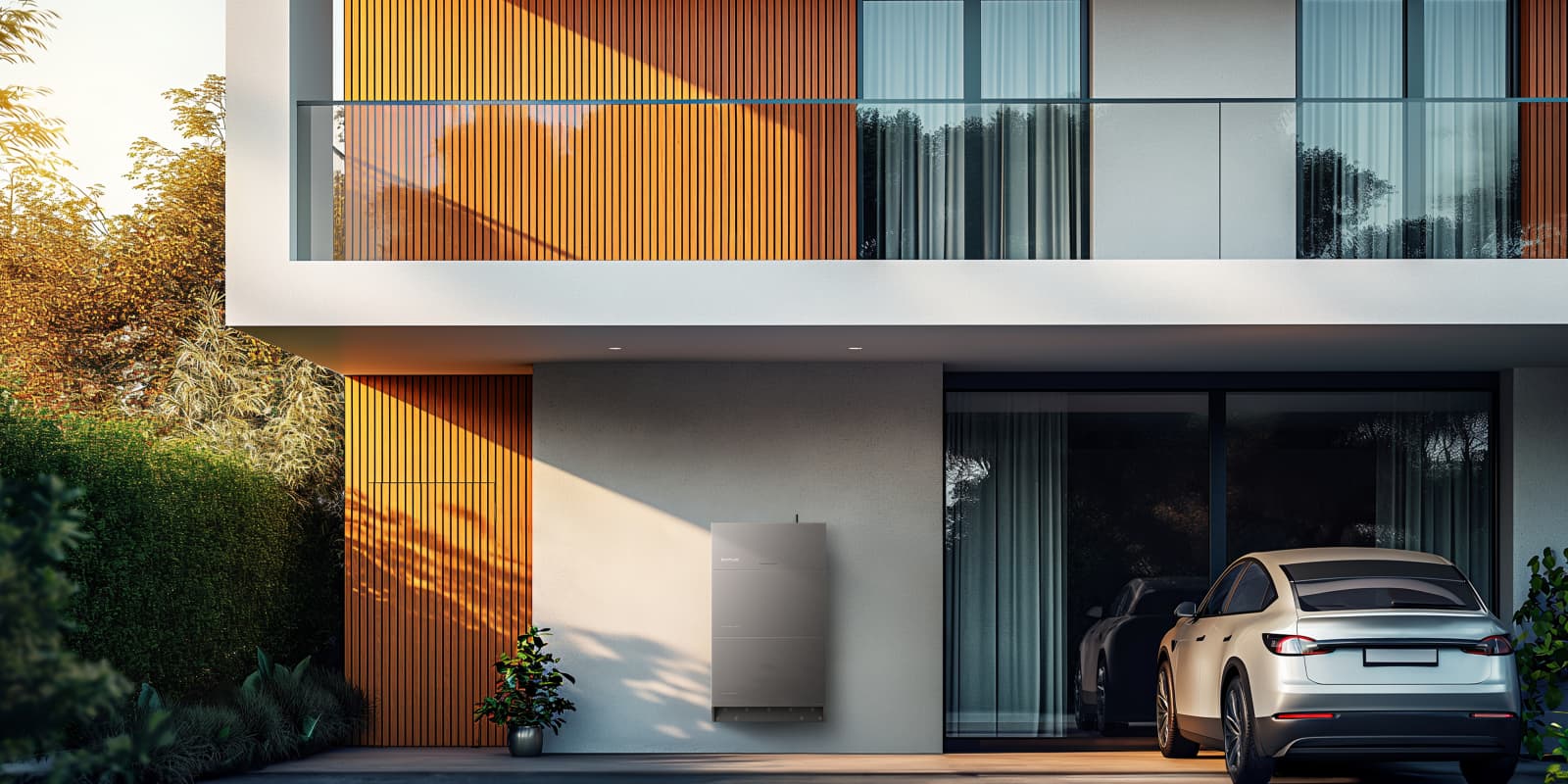
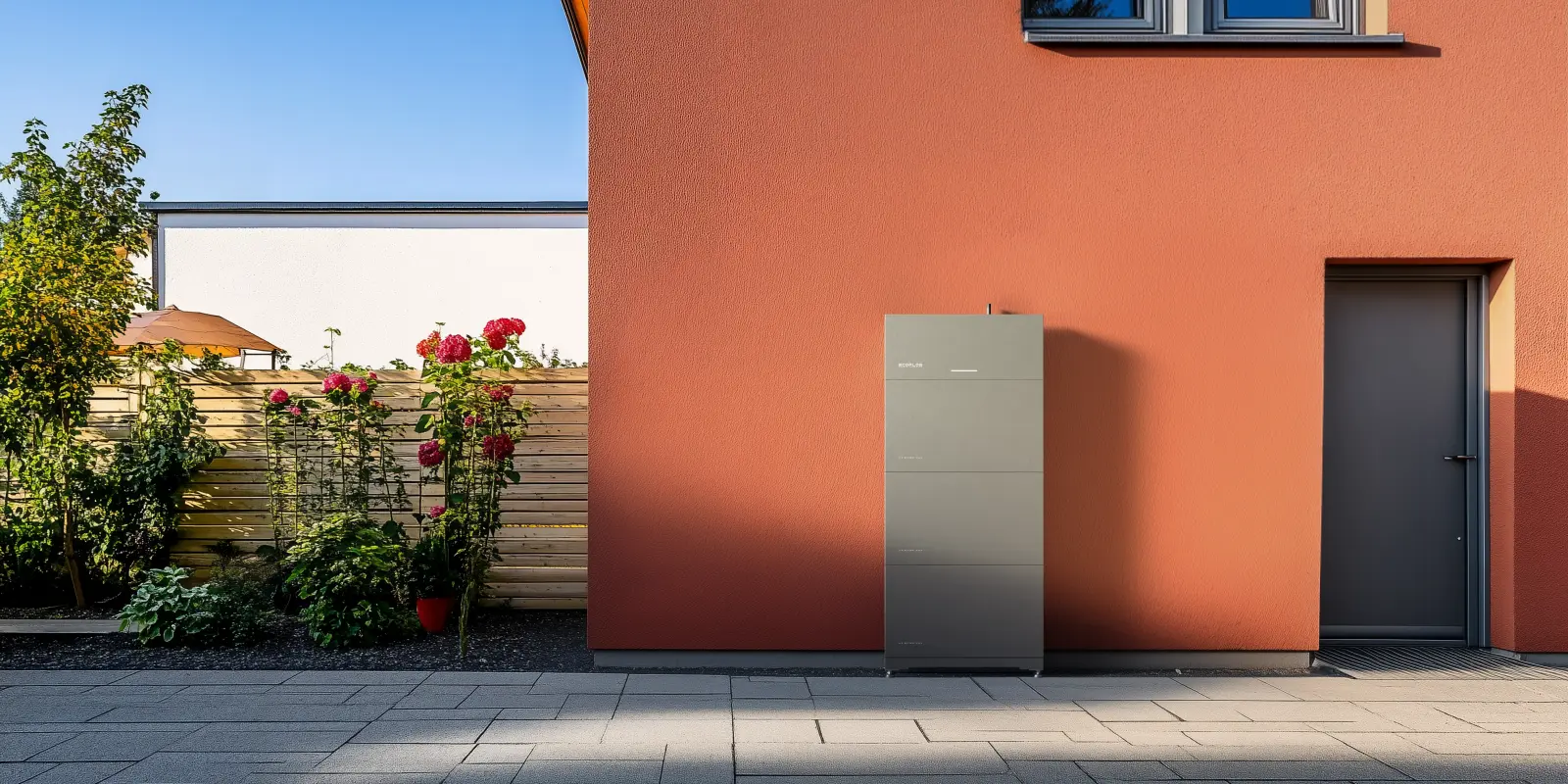
If you’ve already got solar panels, a battery is really the missing piece of the puzzle. It stops you from "donating" your extra power back to the grid for pennies, letting you save it for the evening when rates actually spike. Systems like the EcoFlow PowerOcean(Single Phase) are great for this; they handle the heavy lifting by shifting your usage to stored or off-peak energy, so you aren't stuck paying premium prices the moment the sun goes down.
3. Replacing Direct Electric Heating with Smarter Hot Water Solutions
Direct electric heating works, but it lacks flexibility. Hot water is heated whenever the system runs, often during high-price periods. As electricity costs rise, this approach quickly becomes expensive. Smarter solutions integrate hot water systems with third-party thermal components as part of a home energy ecosystem. This allows heating to take place during lower-cost or more energy-efficient periods, reducing costs while maintaining everyday comfort.
4. Gradual System Upgrades Instead of Full Replacement
You can improve things gradually. A smart timer, controller, or battery can make an old immersion heater far less wasteful. Even small upgrades can stop it running when electricity is at its most expensive.
When Replacing an Immersion Heater Makes Sense
Upgrading to a smart energy system is often more affordable than keeping an outdated one, especially as household needs grow and technology improves.
1. Unpredictable Costs and Manual Intervention
Relying on a manual switch for your hot water is a recipe for high bills. Unless you’re planning to set a timer on your phone every single day, you’re going to leave it on too long or forget it entirely. It’s a clunky, hands-on approach that just doesn't fit into a busy life, and the "oops" moments, like heating an empty tank, really start to add up over the month.
2. Mismatch with Household Demand
The problem with a rigid timer is that life rarely follows a script. Whether you're staying late at the office, heading away for the weekend, or just fancy an extra shower after the gym, a basic immersion heater can't keep up. It’s either heating a massive tank of water while the house is empty, or leaving you with a cold shower because you used the water at the "wrong" time. Without a bit of flexibility, you're basically stuck paying for hot water you don't use, and missing out on it when you actually do.
3. Limits on Home Energy Efficiency Improvements
The real headache with old-school immersion heaters is that they’re basically "dumb" tech. They don’t talk to your solar panels, they don’t care about your smart meter, and they certainly won't work with your home automation. Because they operate in their own little bubble, you’re stuck with a system that can’t adapt to cheaper energy or home battery storage.. It’s frustrating because it essentially caps how much money you can actually save, no matter how much you try to be efficient.
Conclusion
Think of an immersion heater as a handy backup, but a pretty terrible primary option. You usually don’t see one massive spike on your bill; instead, it’s a slow build-up of small, daily inefficiencies that quietly drain your bank account over time. The simplest fix isn't necessarily using less hot water. It's just getting smarter with how you control it. Swapping a clunky manual switch for something automated is easily the quickest way to stop the waste.
Schedule Your Free Consultation Today!
What kind of product or solution are you interested in?

FAQs
1. Is it cheaper to keep your immersion on all the time?
Generally, it’s not a great idea. While people think the thermostat saves them money by cutting the power, the "standing heat loss" from the tank means the heater is constantly cycling back on to stay hot. It’s those little bursts of electricity throughout the day and night that quietly bump up your bill. For the vast majority of households, it is significantly cheaper to use a timer or just heat the water on demand.
2. What is the cheapest way to use an immersion heater?
Honestly, the best way to save is to just heat the water when you're actually going to use it. If you can time it for those cheaper off-peak hours, even better. There’s no point in keeping a full tank boiling all day if nobody's home. A simple timer or a smart hub handles this easily. Plus, if you’ve got solar panels or a home battery, you can use your own "free" power instead of paying for expensive juice from the grid.
3. How much does it cost to have a new immersion heater fitted?
Expect to pay somewhere between £250 and £500 for a new immersion heater installation in the UK. The final bill really comes down to how awkward the cylinder access is and the specific element you're buying. Just keep in mind that the installation is actually the cheap part. If you’re using a basic unit without any smart controls, the electricity bills over a few years will end up costing you way more than the plumber did.
4. Do I need a plumber or electrician to replace an immersion heater?
It definitely is. Replacing one means working with plumbing fittings and electrical circuits at the same time, which is a dangerous mix if you aren't qualified. Usually, this means calling in an electrician for the safe wiring and a plumber for the tank itself. If you can find a professional with both sets of papers, that’s great, but don't cut corners on the certification just to save a few quid.
5. What is the life expectancy of an immersion water heater?
A standard immersion heater element lasts about 10–15 years, though hard water and 24/7 use will shorten its lifespan. Limescale is the real killer. It’s usually worth upgrading an old one anyway; newer models are better insulated and come with smart controls that significantly lower the running costs.

