
How to Stop Condensation on Windows Overnight: Smart Energy Strategies for Winter
There’s nothing more frustrating than soggy windowsills first thing in the morning. You wipe them dry, go off to do something else, and by the time you look back? Soaked. Again. It’s even worse in winter. If you’ve been wondering how to stop condensation on windows for good, plenty of people are dealing with the same thing. This guide explains what’s actually causing the damp and how you can use smart energy strategies to keep your home dry without sending your energy bills through the roof.
Understanding Window Condensation in Winter
Cold mornings and long nights are part of winter, but foggy windows usually come with it, too. It shows up in all sorts of homes, old and new. It’s much easier to deal with once you know why it keeps happening.
1. What Causes Condensation on Windows
Condensation is just part of winter life. Everyday activities like boiling the kettle, showering, and drying clothes indoors all release moisture into the air. When it’s cold outside, opening windows isn’t appealing, so that moisture gets trapped indoors, creating the perfect conditions for damp windowsills.
Windows are usually the first place it appears. Glass cools much faster than walls, especially in poorly insulated homes. Even modern double glazing can mist up if the seals fail, allowing moisture to build up between the panes. When temperatures change, that trapped air turns into fog you can’t simply wipe away.
2. Why Overnight Condensation Is Most Common
You’ll normally notice condensation in the morning because it all happens overnight. The temperature drops outside, the windows cool down, and the house stays shut, so moisture just hangs around. Breathing while you sleep adds to it, and bedrooms are often the worst, as the air barely circulates. That’s when you see wet windows, damp frames, and puddles on the sill — pretty standard winter stuff in a lot of homes.
3. Risks of Ignoring Condensation
You can keep wiping the windows, but that doesn’t solve the problem. The moisture just moves elsewhere, settling around seals, behind curtains, and along parts of the wall you rarely notice. Over time, mould can start to form, often signalled by a persistent musty smell that’s bad for your health.
Swollen wooden frames or peeling paint are signs the damp has already worked its way into the structure. Once moisture takes hold, the house becomes harder to heat. Damp walls lose heat far faster than dry ones, undermining insulation and pushing energy bills up even when your habits haven’t changed.
How to Measure and Monitor Indoor Humidity
To really sort out the damp, you've first got to find out where all that moisture's hiding. If you track the humidity, you'll spot which bits of the house are a bit 'sweaty' before the windows get all fogged up.
1. Using Hygrometers to Track Humidity Levels
You can pick up a hygrometer for next to nothing, and it’s the easiest way to track the moisture in your rooms. The digital versions are great because they show you the humidity and the temp at the same time. If you put one near a problem window, you’ll see exactly what’s going on. Just keep it away from any heaters or breezy vents so it doesn't get confused.
2. Ideal Indoor Humidity Range for Winter
During colder months, aim for 40–50% relative humidity. Anything lower can be uncomfortably dry, irritating your throat and skin, while higher levels invite damp and mould growth. Staying in that range keeps the air feeling right and stops the condensation from becoming a proper nightmare for your window frames. It’s a simple yet effective habit for anyone looking for practical ways on how to save energy at home.
3. How Moisture Affects Condensation Formation
Air holds moisture more easily when it’s warm. As soon as that warm, moist air touches a cold surface, it cools and reaches its limit. The extra moisture then turns into liquid, forming condensation. The more moisture there is in the air, the sooner this happens — and the more condensation you’ll notice on windows.
Practical Steps to Reduce Overnight Condensation
You don’t have to renovate your whole house just to get rid of foggy windows. A few small habit changes and some easy tweaks can go a long way—and the best part is, you won’t have to sacrifice any warmth or rack up a massive energy bill to see results. These small changes are often the first steps in learning how to make your home more energy-efficient.
1. Improve Ventilation without Losing Heat
Want the fog gone? Open your windows. Crack windows for ten minutes every day. Make sure you're actually using your extractor fans too, and don't flick them off the second you're done. If it’s a bit chilly, we’re better off not having the windows gaping. Maybe just pop the trickle vents or leave them on the latch to keep it fresh.
2. Use Dehumidifiers or Heat Recovery Systems
A good dehumidifier can stop condensation in its tracks by pulling moisture out of the air before it settles. This is a huge help in rooms where dampness builds up overnight. If you want to take it a step further, look into an HRV system. It’s a clever bit of kit that ventilates your home by bringing in dry air while recycling the heat from the air it’s pushing out, so you aren't just throwing money out the window.
3. Keep Indoor Temperature Consistent
Consistency is key here. If you keep the house at a nice, even temp, the air hangs onto the water better and your windows don't get those 'cold spots' that attract fog. It also keeps the humidity from drifting into the back rooms and causing hidden damp issues. Basically, keep it steady and you'll have way fewer problems.
4. Upgrade Windows or Add Thermal Treatments
Still struggling with foggy windows? It’s usually down to the glass getting too cold. Better glazing—double or triple—is the real fix because it keeps the glass warm. No cold glass, no condensation. Simple. If you're not looking to replace them yet, just grab some thick thermal curtains. They act like a shield so the warm air never even hits the cold pane. And honestly? Just checking for draughts or replacing those old, perished seals around the frames makes a massive difference when it’s freezing out.
Why Preventing Condensation Often Increases Winter Energy Bills
Tackling condensation isn’t always free. In fact, some common but not so effective methods can actually raise energy consumption. Knowing why this happens helps you identify where costs sneak up.
1. Heating More to Offset Moist Air
Warm air can hold more moisture, so many homeowners increase heating to reduce condensation. However, this only makes the air warmer, not actually drier, leaving the root problem unresolved. This habit often leads to a higher average monthly electric bill uk, providing only short-term relief from dampness while potentially causing discomfort and dry air issues due to overheating.
2. Ventilation That Dumps Warm Air Outside
Proper ventilation is essential to remove moist air, but leaving windows open too long during winter wastes the heat you’ve already paid for. Traditional extract fans without heat recovery simply push warm air outside, forcing your boiler to work harder and increasing energy costs unnecessarily. Controlled ventilation is key to avoiding this waste.
3. Dehumidification without Energy Optimisation
While a dehumidifier definitely helps with the moisture, it’s basically an extra appliance eating into your budget. If yours doesn't have any eco-settings and you're running it overnight, your bills are going to creep up fast. It’s much smarter to use it alongside a bit of home battery storage or a timer. It just makes sure you're getting the house dry without the meter going absolutely mental.
Smart Energy Strategies to Control Condensation More Efficiently
It’s finally possible to keep your home toasty and dry without seeing your electric bill go through the roof. It’s all down to how smart systems manage the load. Instead of everything running at once, these systems balance your energy use throughout the day, so you stay comfortable while keeping a lid on your costs.
1. Use Off-Peak or Stored Energy at Night
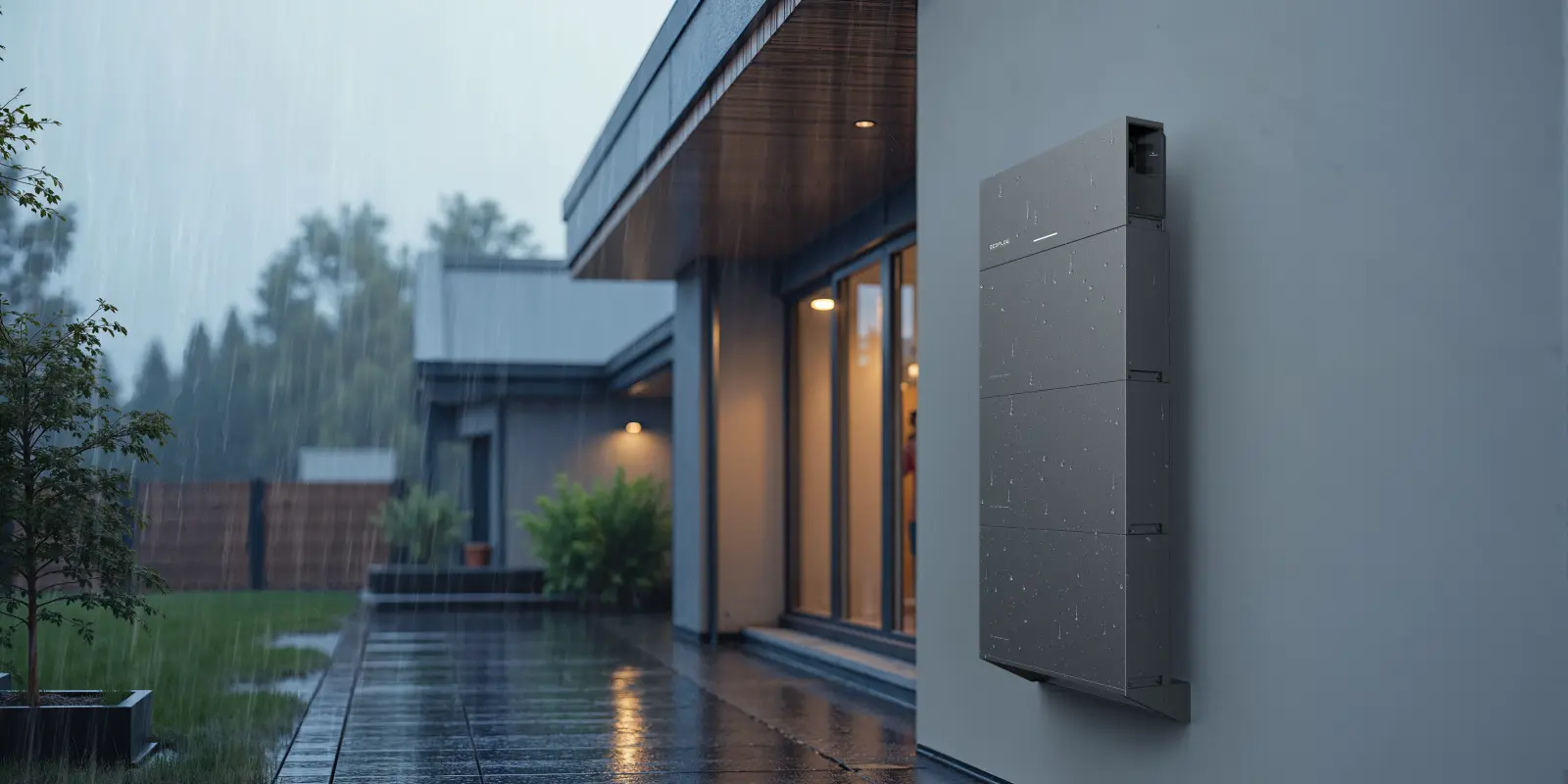
The most efficient strategy is to run dehumidifiers or background heating during the coldest pre-dawn hours (3 AM – 6 AM), when condensation peaks. To avoid the high cost of running devices overnight, you can shift the energy load using stored power. A system like the EcoFlow PowerOcean (Single Phase) allows you to charge during cheap off-peak hours and discharge that energy when dampness is highest. This ensures your home stays dry through the night without driving up your peak-time electricity bill.
2. Balance Energy Loads for Stable Indoor Conditions
Real humidity control is a team effort across all your home systems. It’s no good having devices fighting each other. Using smart load-balancing means your appliances aren't all kicking in at once, which prevents those spikes in heat that lead to foggy glass. When you keep things ticking over nicely and spread the demand, the house stays much nicer and your gear will actually last you a lot longer.
3. Coordinate Heating, Ventilation, and Humidity Control
Efficiency comes from balancing warmth with airflow so systems don't work against each other. Instead of guessing, a data-led strategy helps you decide when to heat and when to ventilate. Centralized tools like the EcoFlow PowerInsight 2 put humidity and heating data on one dashboard, making it easy to see if you are over-heating or under-ventilating. This coordination allows you to maintain the ideal dew point and keep windows clear while minimizing energy waste.
.jpg)
How to Prevent Window Condensation Long Term
Fixing condensation is a win, but preventing it for the long haul is the real goal. In reality, it’s not just one thing; it’s a combination of keeping the house in decent repair, ensuring the insulation is doing its job, and just picking up better habits. Get those three right and you'll keep the windows dry for years.
1. Maintaining Windows, Seals, and Ventilation Systems
It’s well worth keeping an eye on your window seals and extractor fans every so often. If the seals are starting to perish or pull away, you’ll get cold air creeping in, which makes the glass freezing and causes all that damp. Pop the covers off your extractor vents and give the filters a clean every few months to keep things flowing. Get the ventilation sorted and you’ll find the moisture clears off much faster.
2. Fixing Insulation Gaps and Thermal Bridges
The reason you’re getting those freezing bits around the windows is usually down to gaps in the insulation, or 'thermal bridging' if you fancy the technical term. It’s a bit of a nightmare because as soon as your warm air touches those cold spots, you get pools of water on the windows. Honestly, if you just whack some sealant in the gaps and top up the insulation, it keeps the heat in and pretty much kills off the condensation.
3. Everyday Habits That Reduce Indoor Moisture Year-Round
It’s usually the small things that cause the most bother with condensation. Just making sure you don't leave the bathroom door hanging open after a shower or drying your clothes in a room with no breeze will help heaps. It’s basically just about not letting the steam wander through the house. Keep the lids on your pots and the windows cracked, and you'll find the damp stays well away.
Schedule Your Free Consultation Today!
What kind of product or solution are you interested in?

Conclusion
If you're waking up to misty glass every day, wiping it off is only half the battle. You’ve really got to look at why the air’s so damp in the first place. A bit more ventilation or a decent dehumidifier makes all the difference. Once you keep the damp down and the house warm enough, you’ll find the windows stay clear on their own. It’s a bit of a learning curve, but it’ll save you a fortune on bills and stop the house feeling so stuffy.
FAQs
1. Does Condensation Mean My House Is Too Cold?
That's not always it. Even if you've got the heating cranked up, if the air's thick with moisture, it's still going to head straight for the glass. It’s just looking for a cold surface to land on, simple as that. You can have a toasty room and still have soaking wet windows.
2. How Often Should I Wipe Condensation Off?
If your windows are soaking in the morning, give them a proper wipe down before the damp settles in. You might have to go around twice if it's really bad out. It’s worth keeping in mind though, that you're only really treating the symptom. To actually fix it, you need to get some air moving or invest in a dehumidifier so the moisture doesn't stand a chance.
3. Do Radiators Under Windows Cause Condensation?
The radiator only helps the window if the heat can actually reach it. It’s meant to take the chill off the glass so the damp doesn't settle. If you've got thick curtains pulled tight over the radiator, the heat can't get to the glass and you'll still get puddles on the sill. Give it a bit of breathing room and you’ll see a massive difference.
4. What Can You Put on a Windowsill to Stop Condensation?
Moisture traps and dehumidifier pods are brilliant for tackling damp windowsills. They’re particularly handy in flats or rentals where you're stuck with the windows you've got. They just help draw away the moisture so you aren't constantly wiping down the glass every morning.
5. Should You Run a Dehumidifier All Day in Winter?
Running a dehumidifier 24/7 is usually overkill. You'll get much better results by targeting the 'wet' times, like straight after a bath or while you're cooking. It is also worth running it in the bedrooms overnight as that's when moisture levels often peak. It’s a much cheaper way to keep the damp out without wasting power.

