
How to Improve EPC Rating from D to C
An Energy Performance Certificate, or EPC, shows how energy-efficient your home is. Ratings range from Band A (most efficient) to Band G (least efficient).
In early 2025, the UK government announced its plan to raise the minimum EPC requirement for rental properties to Band C by 2030. Since Band D is currently the UK average, moving up to Band C is becoming increasingly important, whether you own your home or rent it out.
If you’re thinking about improving your EPC rating, this guide breaks down what affects your score and the most practical ways to boost it without overcomplicating things.
Why You Should Upgrade Your EPC Rating
It’s no longer a nice-to-have to improve your home’s EPC rating, but a smart investment that helps you cut your energy bills, increase property value, and help you stay ahead of future energy rules. To start, it is essential to understand the current energy efficiency rating system used across the UK. Since energy prices are still unpredictable and regulations are tightening, improving efficiency is one of the safest long-term investments you can make in your home.
1. What Your EPC Rating Actually Tells You
An EPC is valid for 10 years and gives an estimate of how much energy your home uses and how much carbon it produces. Though Band D is the national average, and common across many UK homes, it often means avoidable heat loss and clear opportunities to improve energy efficiency and reduce costs.
The table below shows how EPC bands are officially scored, based on Standard Assessment Procedure (SAP).
| EPC Bands | SAP Score Ranges |
|---|---|
| Band A | 92 and above |
| Band B | 81 to 91 |
| Band C | 69 to 80 |
| Band D | 55 to 68 |
| Band E | 39 to 54 |
| Band F | 21 to 38 |
| Band G | 1 to 20 |
2. Why Moving from Band D to C Is Worth It
For homeowners, going from an EPC D rating to C can save hundreds of pounds a year on energy bills and make the house more appealing if you ever sell. For landlords, it helps future-proof your property, keeps you compliant with upcoming regulations, and makes your rental more attractive to tenants who want lower bills and a warmer home.
On top of that, a better EPC usually means fewer cold rooms, less damp, and a generally more comfortable place to live — especially during British winters.
3. Regulations and Financial Incentives for Energy Efficiency
Right now, rental properties in England and Wales must meet the Minimum Energy Efficiency Standard (MEES) of Band E. Yet government policy continues to push towards a Band C target by 2030. Many homeowners are now looking at the Warm Homes Plan eligibility to see if they can access support for these upgrades. Proactively upgrading the EPC rating helps both property owners avoid future legal restrictions and prepare for stricter energy-efficiency regulations.
Many schemes can help cover the cost of an EPC upgrade - grants, council schemes, and green mortgages, which can take a big chunk off the cost.
Key Factors That Affect Your EPC Rating
Before exploring ways to improve your EPC rating, it’s crucial to know what a domestic energy assessor looks at.
1. Heating System
Heating has one of the biggest impacts on your EPC score. Older, G-rated boilers can waste a considerable amount of energy, but modern condensing boilers and heat pumps are far more efficient.
EPC assessments also look at heating controls. Systems with programmers, room thermostats and thermostatic radiator valves (TRVs) help prevent energy waste in unused rooms, improving both your EPC rating and your running costs.
2. Insulation in Walls, Roof, and Floors
Good insulation works like a thermal blanket for your home. During an assessment, the assessor will check loft insulation, with around 270mm considered best practice. They will also examine whether cavity walls have been properly filled to minimise thermal gaps. Floor insulation, particularly in properties with suspended timber floors, helps eliminate draughts and retain warmth throughout your home.
3. Windows, Doors, and Draughts
Single glazing, leaky doors, and gaps around frames let heat escape quickly. Compared to single-glazing, double or triple-glazed windows provide an effective thermal barrier that better retains heat. It also helps to seal gaps around door frames, letterboxes, and chimneys. These measures improve your home’s airtightness, enhancing both comfort and overall energy efficiency.
4. Appliances, Lighting, and Energy Consumption Patterns
Though structural improvements have the greatest impact, smaller changes also matter. Switching to LED lighting is one of the easiest ways to gain extra EPC points. Fixed heating elements and hot water cylinders are also on the checklist of assessors. Even minor energy-saving upgrades can help move your property from the top of Band D into Band C. To manage this effectively, many households now implement energy management systems to monitor and reduce overall consumption.

Practical Ways to Improve Your EPC Rating from D to C
Achieving a higher EPC rating requires a structured approach. The following guide explains how to improve your EPC score through targeted physical and technological improvement.
1. Upgrade or Optimise Your Heating
If your boiler is over 15 years old, replacing it with an A-rated model can seriously boost your score. If full replacement isn’t possible yet, adding smart controls or upgrading thermostats is a cheaper way to improve efficiency. For a long-term solution, heat pumps or hybrid systems paired with good insulation are very effective.
2. Improve Insulation First
Your home’s thermal envelope - the walls, roof, and floors that separate inside from outside - is crucial in retaining heat and improving your EPC rating.
Start with the loft, make sure insulation is laid to the recommended depth to cushion heat loss. Cavity wall insulation is another cost-effective win. For solid-wall properties, internal or external wall insulation costs more upfront but can dramatically improve warmth and EPC ratings, especially in older homes.
3. Replace or Upgrade Windows and Doors
Double glazing helps keep heat in and noise out. If that’s not in the budget, secondary glazing or thermal curtains are effective temporary alternatives. Make sure external doors are well sealed to stop the chimney effect, where cold air is pulled through the house.
4. Use Energy-Efficient Appliances and Lighting
An easy way to swap old bulbs for LEDs and choose high-efficiency appliances where possible. Throughout your home, choose appliances with high energy-efficiency ratings (A or B under the 2021 scale). While an EPC primarily assesses a building’s fabric, lowering your home’s overall energy demand helps cut costs and shows a commitment to a greener and more sustainable lifestyle.
5. Use Home Storage to Boost Energy Efficiency
If you have solar panels, adding home battery storage lets you store energy and use it later, instead of relying on the grid, which lowers overall energy consumption. By making the most of renewable energy, you can improve your home’s efficiency and support higher EPC ratings.
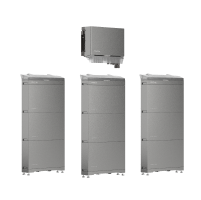
During the dark, cold British winters, a reliable system like the EcoFlow PowerOcean (Single-Phase) is really helpful. Instead of paying for pricey electricity from the grid, you can use solar energy stored earlier in the day to keep your home warm. This can reduce overall energy use and help support a higher EPC rating.
.jpg)
How to Maintain Your EPC Improvements
Once you achieve your target EPC rating, the focus shifts to maintaining those standards and ensuring your home continues to perform efficiently.
1. Track Energy Usage with Smart Tools
Reaching your target EPC rating is an incredible milestone, but keeping your home energy-efficient needs ongoing visibility and control. With smart monitoring tools, you can monitor your energy consumption to stay aware of your system’s performance and avoid efficiency losses over time.
For instance, the EcoFlow PowerInsight 2 acts as a central hub for your home’s energy management. Rather than guessing why bills are high, you can see how much energy your heating system consumes during a cold month. If a draughty room is causing the system to work harder, the real-time data lets you make immediate adjustments, ensuring the efficiency gains from your new insulation and upgrades are always fully maintained.
2. Maintain Heating and Insulation Regularly
Schedule annual boiler servicing and check radiators for spots that remain cool when the rest of the radiator heats up. These normally indicate trapped air that can be removed by bleeding the radiator to restore full heat output. Inspect your loft insulation periodically to ensure it hasn’t shifted or become compressed, which can reduce its effectiveness.
3. Build Energy-Saving Habits
Simple habits like using eco-modes and turning off lights in unoccupied rooms help keep your home efficient in real life, not just on paper. Over time, these behavioural changes reinforce your EPC rating, ensuring your home remains as efficient in practice as it is on paper.
Common Mistakes to Avoid When Improving Your EPC Rating
Many homeowners end up spending money on the wrong things, so avoiding these pitfalls will ensure your investment translates into a higher EPC rating.
1. Failing to Prioritise Upgrades Effectively
A common mistake is investing in advanced energy-generation technology before addressing the basics. The key to success is to adopt a fabric-first approach - seal gaps and retain heat first - everything else works better after that. By ensuring your home retains heat efficiently, you maximise the effectiveness and return on investment of any later upgrades.
2. Choosing Wrong Materials or Inappropriate Solutions
Choosing wrong materials or relying on rushed DIY fixes can cause serious issues like interstitial condensation and damp. The key to success is finding solutions that suit your home’s specific construction. For example, using lime-based renders for traditional buildings ensures that upgrades are both effective and long-lasting. Quick DIY fixes or unsuitable materials can cause damp or condensation problems. Always choose solutions that suit your home’s age and construction.
3. Guessing Instead of Getting Advice
Before carrying out major works, consult an accredited Domestic Energy Assessor (DEA). They can provide a draft EPC or a detailed recommendation report, showing exactly which measures will earn the most points. This prevents you from spending thousands on upgrades that may only increase your score by a single band.
4. Missing out on UK Grants and Incentives
Many homeowners pay full price for upgrades that could be subsidised. Schemes including ECO4 or the Boiler Upgrade Scheme (BUS) can cover thousands of pounds towards heat pumps, insulation, or other energy efficiency improvements for eligible households. Always check local and national schemes before starting work.
Schedule Your Free Consultation Today!
What kind of product or solution are you interested in?
Conclusion
Improving your EPC rating from band D to band C is a process that combines structural upgrades with smart technology. Begin with a professional assessment to identify your quick wins and map out a plan toward a sustainable, C-rated home. By prioritising insulation and modernising your heating system, you can create a property that is cheaper to run but more valuable.
FAQs
1. How much to upgrade EPC from D to C?
The cost depends on your home. Factors like its age, size and how well it’s already insulated all make a difference.
For most UK homes, upgrades usually cost between £3,000 and £10,000. Common improvements include topping up loft insulation, adding wall insulation, upgrading windows, or replacing an older boiler. Before you start, it’s worth speaking to a qualified domestic energy assessor, who can tell you exactly what will give you the best return for your budget.
2. Will a heat pump improve my EPC rating?
Yes, heat pumps are much more energy-efficient than traditional gas or oil boilers, so they can significantly boost your EPC rating. They also reduce running costs and carbon emissions - both important factors in EPC assessments. If your home is eligible, you may be able to use the Boiler Upgrade Scheme (BUS), which offers grants of up to £7,500 towards installation.
3. Does double glazing improve EPC?
Of course, fitting double or triple glazing can significantly boost your EPC rating. High-performance windows keep more heat inside and improve overall comfort. For older UK homes in particular, upgrading windows is one of the simplest and most effective ways to enhance energy efficiency.
4. How often should EPC be reassessed?
An EPC is valid for 10 years. That being said, it’s a good idea to get a new one if you’ve made big improvements, like installing insulation, upgrading windows, or replacing your heating system. An up-to-date EPC is especially useful if you’re selling, renting out your home, or applying for a green mortgage.
5. What happens if my property doesn’t reach the EPC requirements?
At the moment, rental properties in England and Wales must have an EPC rating of at least Band E under the Minimum Energy Efficiency Standards (MEES).
Landlords who don’t meet this requirement can be fined up to £5,000 per property. Even if you’re not renting your home out, improving energy efficiency is still worth it. It helps you prepare for future rule changes, lowers running costs, and can increase your property’s value.

