
How Much Does It Cost to Charge an Electric Car?
Electric vehicles (EVs)are well and truly the new normal these days, but what a 'full tank' actually costs is still a bit of a head-scratcher for most. It really hinges on where and how you charge, the vehicle’s battery, and even the time of day.
Understanding these factors can help UK EV owners plan their energy use, reduce costs, and make informed decisions about home and public charging. This guide explains typical EV charging costs, how to manage them effectively, and practical tips to save money while charging electric.
What Determines the Cost of Charging an Electric Car
There isn’t a flat price for charging your electric car. Electricity deals, battery size, and timing all affect it, especially given why UK electricity is so expensive at the moment. Understanding that makes it easier to keep costs under control and plan your charging better.
1. Electricity Price per kWh
It all comes down to the price per kilowatt-hour (kWh). At home in the UK, you’re looking at 27p–30p per kWh, but on public rapid chargers, it can jump to 70p or higher depending on the location and the company running it.
2. Vehicle Battery Size and Efficiency
Your battery’s capacity has a direct impact on how much energy you need. Large batteries, like in premium or SUV EVs, take more juice to charge fully. Cars that are more efficient use less energy per mile, so you don’t end up paying as much.
3. Charging Losses and Efficiency Gaps
Not all the energy you pull from the grid actually makes it into the battery. Some get lost during charging, usually around 10–15% depending on the charger and the temperature. Knowing this helps you get a more realistic idea of what charging really costs.
Home vs Public EV Charging Costs
It really comes down to where you park up. Charging at home is the cheapest way to do it, even if it takes all night. Public chargers are much faster when you're in a rush, but since EV charging time and cost are often linked, you’ll definitely pay a premium for that extra speed.
1. Typical Home Charging Costs
Overnight home charging usually takes advantage of cheaper off-peak or standard rates. For example, a 60 kWh battery could cost roughly £17–£19 to fully charge, depending on your tariff.
2. Public Charging Costs by Charger Type
Public chargers aren’t cheap across the board. AC chargers (7–22 kW) are just above home rates, rapid DC chargers (50–150 kW) cost more, and ultra-rapid chargers (150 kW+) are the priciest, mainly useful for emergency long-distance top-ups.
3. Tariffs, Subscriptions, and Extra Fees
A few public charging providers offer cheaper rates only if you’re a member. Extra fees – like for leaving your car plugged in too long or charging at peak times – can add up quickly. Best to check the rules before you start.

Real-World EV Charging Costs for UK Drivers
Numbers are useful, but the real cost comes down to your driving habits, what kind of EV you’ve got, and the length of your trips. Real-life examples paint a clearer picture.
1. Charging Costs by Vehicle Size
Smaller EVs with 30–40 kWh batteries will usually cost about £8–£12 to fully charge at home. Mid-sized 50–60 kWh EVs come in around £14–£18, and large SUVs or premium models can hit £22–£27 if you don’t manage your energy carefully.
2. Urban Commuting vs Long-Distance Driving
If you mostly drive around town, you’ll probably do little top-ups every day. On longer trips, you’ll use public chargers more. All those frequent quick charges at expensive points can push your monthly costs up quite a bit.
3. Typical Monthly Charging Spend
If your monthly mileage is around 1,000–1,200 miles, charging at home is likely to cost £35–£60. Lean on public rapid chargers too much and your bills can easily spike, especially as variations in the energy price cap continue to influence home electricity rates. Using home charging alongside clever energy strategies can save a fair bit.
Practical Tips to Reduce EV Charging Costs
Paying attention to charging patterns and energy management can really help your bank balance. A couple of simple tricks let you cut costs while keeping things convenient.
1. Optimising Charging Habits to Reduce Energy Waste
A few small tweaks to how you charge can actually save you a fair bit. No need to top up if you don’t have to, and unplug once it’s full. If you plan charges around how much you really drive, you’ll waste less energy and keep the bills in check.
2. Using Off-Peak or Time-of-Use Tariffs
For those who don't mind keeping an eye on things, Octopus Agile can really cut your home charging costs. It’s a bit more work than a standard tariff, but for the lowest running costs, you can’t really beat it. But its price changes every half hour based on what’s happening with the grid, so tracking fluctuating prices can be challenging.
The EcoFlow PowerPulse 2 smart EV charger takes the legwork out of saving money. It automatically sniffs out the lowest prices and kicks off your charge at exactly the right time. Plus, its built-in load balancing makes sure you aren't overdoing it on your home's circuit, so the whole process is as safe as it is cheap.
3. Using Solar or Stored Energy for Charging
No matter how cheap off-peak rates get, they can’t touch the free energy you generate yourself. Investing in home battery storage to create a home energy loop is the ultimate way to stay independent from the grid.
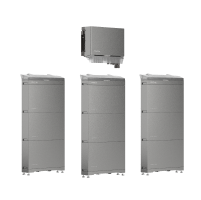
With a massive 45kWh capacity, the EcoFlow PowerOcean Single Phase lets you decide exactly how to use your solar harvest. You can prioritise your home during the day and still have plenty left over to charge the car once the sun goes down. It completely removes the need to buy electricity from the grid for your commute, making your motoring both incredibly cheap and environmentally friendly.

Common Mistakes to Avoid When Charging an EV
It’s pretty easy to get caught up in extra fees if you’re not paying attention. Know the usual traps, and you’ll save yourself some cash and keep EV driving nice and cheap.
1. Charging Only at Public Rapid Chargers
Dependence on rapid chargers is an expensive habit to get into. For your routine charging, stick to home or slower public units to save money. Using rapid points too often will significantly increase your bills, particularly if you're covering long distances in a larger EV.
2. Overlooking Charger Compatibility Fees
Some chargers sneak in extra fees if your car isn’t fully compatible. Just have a quick check to see if you need an adapter or if there’s an extra charge before you plug in. Skip that, and you could be in for an unwelcome surprise when using different public chargers.
3. Ignoring Fine Print on Idle and Connection Fees
Some public points will charge you extra if you leave the car plugged in after you’re full, or if you don't use the cheaper windows. These fees can quickly swallow up the money you’ve saved elsewhere. It’s worth a quick look at the terms and using an app to monitor your charge.
Schedule Your Free Consultation Today!
What kind of product or solution are you interested in?

Conclusion
It’s surprisingly easy to keep your EV costs down if you just stay one step ahead. If you know your electricity rates and how your car performs, it’s much simpler to work out what you’re spending each month. If you make the most of those cheaper overnight rates and maybe some solar power, you’ll be keeping the car on the road for next to nothing, and with no stress at all.
FAQs
1. How much does it cost to fully charge an electric car at Tesco?
Costs at Tesco rapid chargers vary by model, but you’re looking at roughly 44–65p per kWh. A full 50 kWh battery would set you back £25–£32. Rates can change depending on where you are and what time it is, so have a quick check first.
2. Where can I charge my electric car for free in the UK?
Free EV charging exists at some shops, malls, and council car parks, but it’s usually a slow trickle. Perfect if you’re running errands and just need a bit more juice, but not for topping up from zero. Apps make it easier to find the ones that actually work.
3. How much does it cost to drive 100 miles in an electric car?
Most electric cars will burn through 20–30 kWh over 100 miles. With UK home electricity at around 32p per kWh, you’re looking at about £5.50–£9. Factors like driving style, terrain, and weather can also affect actual energy use.
4. What is the average price to fully charge an electric car?
So basically, at home you’re looking at around £14–£18 for a full charge on a 50–60 kWh mid-size EV, depending a bit on your electricity deal. Public rapid chargers are way more expensive, so it pays to know when to use which.
5. What is the cheapest way to charge an electric car at home?
If you’re in the UK, charging at home on off-peak or time-of-use tariffs is usually the smart move. Solar panels make it even better, since you’re using your own energy. Throw in a home battery and charge overnight, and with a bit of planning, you’ll barely feel the cost.

