
How Many kWh to Charge a Car?
Unlike a petrol tank that’s either full or empty, EV charging is a dynamic process influenced by physics, weather, and technology. In this guide, we’ll break down exactly how many kWh you need to power your car, why that number fluctuates, and how you can use smart home energy solutions to keep your running costs as low as possible.
How to Calculate Your True EV Charging Needs?
Calculating your energy needs isn't just about looking at the battery size on your car’s spec sheet. To get an accurate picture of what you’ll actually draw from the grid (and see on your monthly bill), you need to account for real-world variables. The figures below reflect typical UK driving patterns, home charging setups, and current EV technology, rather than ideal lab conditions.
1. Start with Your Car’s Base Efficiency Rating
Based on real-world UK EV efficiency data and owner usage patterns, most EVs in the UK will list their efficiency in miles per kWh. For a standard hatchback or saloon, you’re usually looking at about 3 to 4 miles per kWh.
2. Add a 10% Margin for Charging Energy Loss
Physics is a bit of a stickler; not every drop of energy that leaves your wall socket ends up in your battery. Because of "AC to DC" conversion and heat generation, most home charging setups in the UK typically experience around a 10% energy loss, meaning you should factor this into your calculations. If your battery needs 50kWh, your charger will likely pull about 55kWh from the mains to get the job done. This technical overhead is a small but constant factor in learning how to save energy at home across all your large appliances.
3. Factor in Cold Weather Range Drops (20-40%)
Under typical UK winter conditions, chemical reactions inside the battery slow down and the heater works overtime. In colder weather, it’s common to see range dip by around 20% to 40%, meaning you’ll need more kWh to cover the same daily commute than you would in July.
4. Reserve a 15% Buffer for Unexpected Travel
For most UK drivers, it’s wise to keep around a 15% buffer in the battery rather than regularly running it down to near zero. Whether it’s an unplanned school run, a last-minute dash to the shops, or a change in traffic conditions, that extra headroom gives you flexibility without stress.
This is especially useful if you’re on a time-of-use tariff, as it allows you to stay within cheaper off-peak charging windows instead of being forced to top up at higher daytime rates. As a bonus, avoiding deep discharges is also kinder to your battery’s long-term health.
Why Your Charging kWh Can Vary Every Time?
If you’ve noticed that your car takes slightly different amounts of energy for the same trip, don't worry—your car isn't "leaking" electricity. Several environmental and technical factors are constantly at play.
1. Charging Speeds Affect Heat Energy Loss
Generally speaking, the faster you charge, the more heat is produced. While rapid DC chargers are great for a quick boost at a motorway service station, the increased heat often leads to higher energy losses compared to a steady, slower charge at home.
2. Extreme Temperatures Impact Battery Chemical Activity
Batteries have a "Goldilocks zone"—they don't like being too hot or too cold. On a frosty morning, the car might use a significant portion of the initial kWh just to warm the battery up to an efficient operating temperature before it even starts adding miles.
3. Different Charging Sources Vary Power Delivery
The "cleanliness" and stability of the power source matter. A dedicated home wallbox is far more efficient at delivering a consistent flow of energy than a standard 3-pin "granny cable," which can lose a lot of energy through resistance over long charging sessions. By monitoring these variables through a home energy management system, you can gain a clearer understanding of your charging efficiency and identify the most cost-effective times to plug in.
4. Natural Battery Degradation Reduces Effective Capacity
Over several years of ownership, all lithium-ion batteries lose a tiny fraction of their total capacity. While you might still be putting in the same amount of kWh, the "effective" capacity—the miles you get out of those kWh—will very gradually decrease as the battery ages.
How to Lower Your Electric Vehicle Charging Costs?
With energy prices often feeling like a rollercoaster, the goal is to charge smarter, not just harder. By integrating your car into your home’s ecosystem, you can significantly slash your "per mile" cost.
1. Optimize EV Charging with Battery Pre‑Conditioning
Most modern EVs allow you to "pre-condition" the battery via an app while it’s still plugged in. This uses mains power to warm the battery and the cabin, ensuring that when you pull off the drive, your onboard energy is spent on driving rather than heating.
2. Utilize Smart Chargers with Load Management
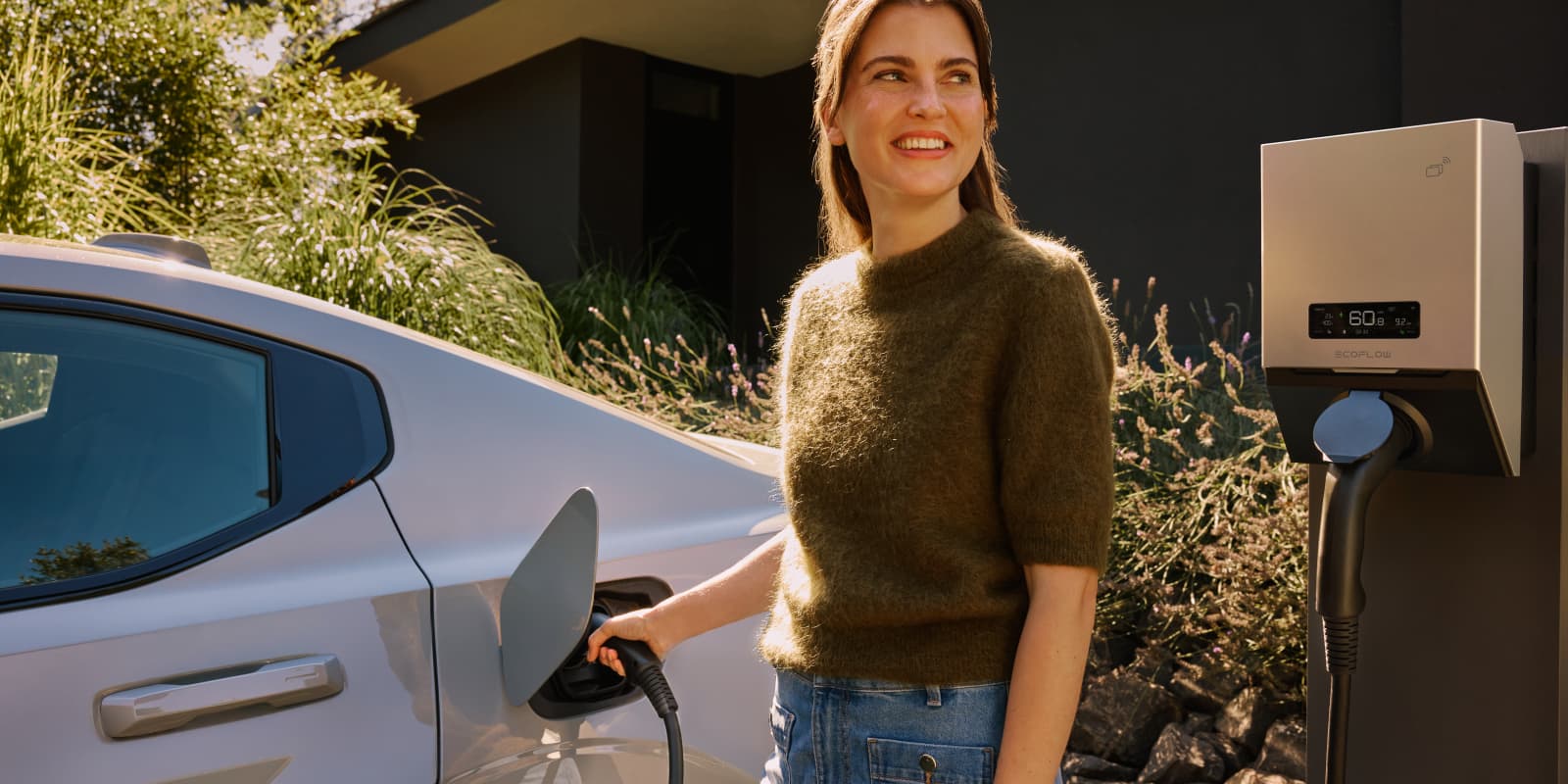
When appliances are running, a standard charger can slow down or even trip your circuit. To manage this properly, you can introduce the EcoFlow PowerPulse 2 smart EV charger. Its real-time load balancing ensures safe and uninterrupted charging while reducing the risk of overloading the home circuit. It also provides intelligent optimization of charging speed for faster charging.
3. Maximize Savings through Solar Energy Self-Consumption
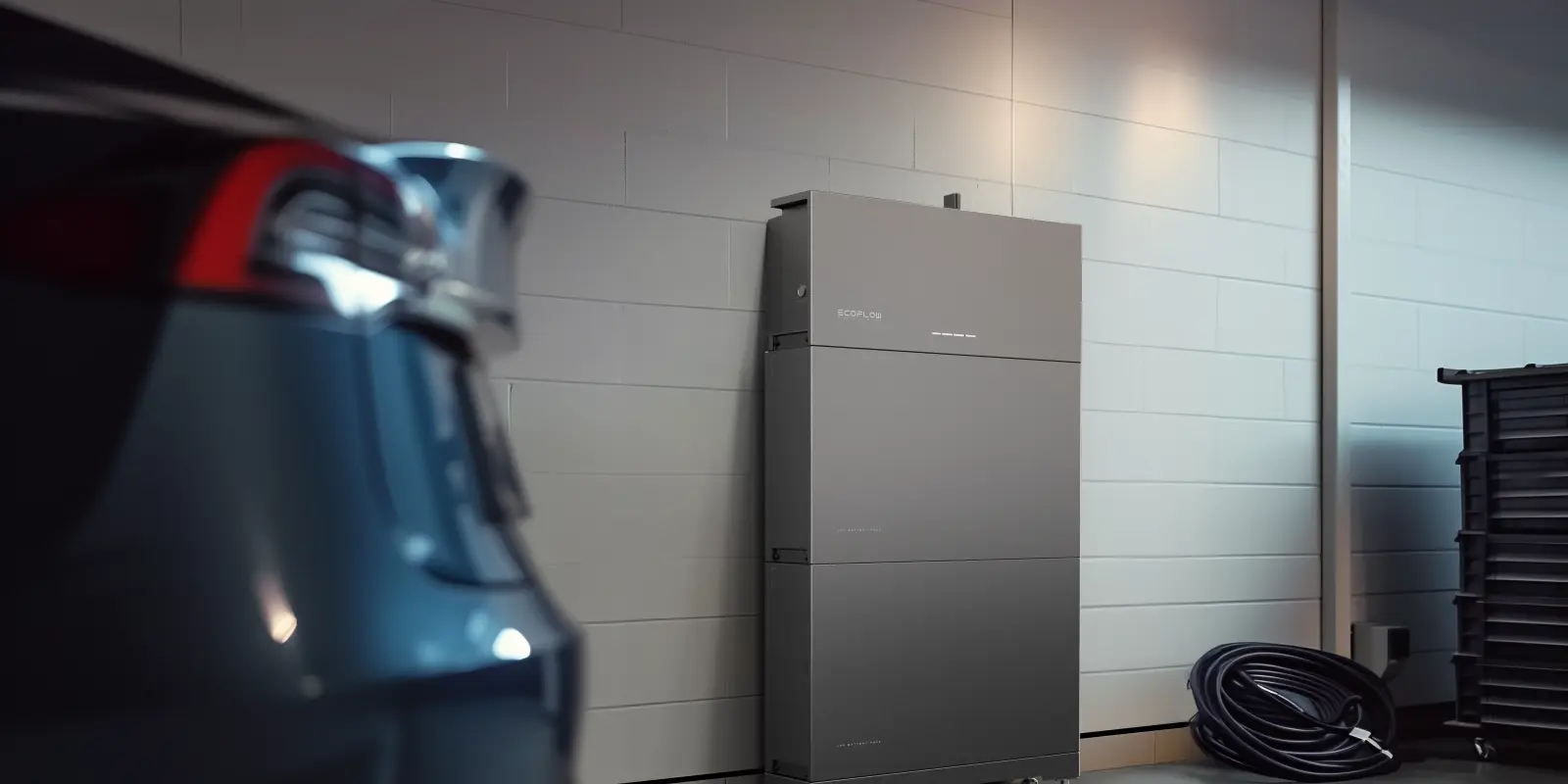
If load management is about "charging smart," then solar energy is about "charging for free." Building a home energy loop centered around the EcoFlow PowerOcean (Single-Phase) is the ultimate way to bring your charging costs down to nearly zero. This modular LFP battery system stores excess solar energy generated during the day, allowing you to discharge it into your EV at night. It’s a brilliant way to achieve energy independence and protect yourself from fluctuating UK energy tariffs.
4. Implement Smart Scheduling for Time-of-Use Tariffs
Many UK energy providers offer "Off-Peak" tariffs (like Octopus Intelligent or OVO Charge Anytime). Set your smart charger to only operate between midnight and 5 AM, and you could be paying a fraction of the standard daytime rate, which is typically tied to the energy price cap.
What Are Your Next Steps for Car Charging?
Here’s a quick checklist to get your home "EV-ready" without any fuss.
1. Assess Your Current Home Circuit Capacity
Before you fall in love with a specific charger, have a quick butcher’s at your consumer unit (your fuse box). Most UK homes are perfectly fine with a 7kW single-phase wallbox, but if you live in an older property or have a power-hungry electric shower and an induction hob, you’ll want to make sure your main fuse can handle the extra "oomph." It’s much better to find out now than to have the lights flicker every time you plug the car in.
2. Select the Right Level Two Charger
Look for one that offers a solid mobile app so you can start or stop a charge from the comfort of your sofa. Even better, look for features like "solar match" or smart scheduling. A charger that just "sits there" is a bit old hat; you want something that’s clever enough to hunt for the cheapest electricity while you’re tucked up in bed.
3. Hire Certified Electricians for Professional Installation
This isn’t a job for a bit of Sunday DIY. You’ll need a qualified pro—ideally an OZEV-authorised installer. Not only does this ensure your house doesn’t turn into a firework display, but it also keeps your car’s warranty intact and ensures you’re compliant with the latest UK building regs. Plus, they’ll handle all the boring paperwork for you, which is always a win.
4. Integrate Chargers with Home Energy Storage Systems
If you really want to play the long game, don’t just stop at the charger. Linking your wallbox with a home battery storage is the ultimate "pro move" for your ROI. By storing cheap overnight energy or excess solar in a home battery, you’re essentially creating your own private petrol station. When you integrate your charger with a system like this, you’re not just drawing from the grid; you’re mastering your own energy loop, making sure not a single penny (or kilowatt) goes to waste.
Schedule Your Free Consultation Today!
What kind of product or solution are you interested in?


Conclusion
Understanding how many kWh it takes to charge your car is the first step toward stress-free EV ownership. While weather and physics play their part, the real secret to success lies in the hardware you choose. By combining smart scheduling with advanced tech like the PowerPulse 2 and PowerOcean, you can transform your car from a monthly expense into a seamlessly integrated, low-cost part of your sustainable home.
FAQ
1. Can you charge an electric car at home with a normal plug?
Yes, you can charge via a standard UK 3-pin socket using a "granny cable," but it is incredibly slow. It usually only adds about 8 miles of range per hour, making it better for emergencies than daily use.
2. Why should you only charge an electric car to 80%?
Charging to 80% helps prolong the chemical life of the lithium-ion battery by reducing heat and stress. Most manufacturers recommend saving the 100% charge for long road trips where you truly need the extra range.
3. Will overnight charging damage the battery?
No, modern EVs and smart chargers are designed to stop the flow of electricity once the battery reaches the desired level. There is no risk of "overcharging" or damaging the cells by leaving it plugged in until morning.
4. Can you take an EV charger when you move?
Yes, you can have a qualified electrician decommission your wallbox and reinstall it at your new property. However, many people find it easier to leave it as a value-add for the next homeowner and install a newer model at their new place.
5. Is it safe to use a public charging station with my home charger cable?
It is perfectly safe, provided you are using a standard Type 2 to Type 2 cable on a compatible public AC charger. Most public "fast" chargers require you to bring your own cable, while "rapid" DC chargers have the cables permanently attached.

