
How Long Does an EPC Certificate Last in the UK: When to Renew and Why It Matters
If you’re a homeowner, landlord, or looking to buy a flat in the UK, you’ve likely come across the term EPC. But beyond being a colourful bar chart on a property listing, how long does it actually stay valid? In this guide, we’ll dive into the lifespan of an EPC, the legalities of the ten-year rule, and how modern energy solutions can help you move from a “D” rating to a “B” or better.
What Is an EPC Certificate and Why It Matters
Before we talk about expiry dates, it’s worth a quick refresher on what this document actually does for your British home.
1. Definition and Purpose of an EPC
An EPC is your property’s energy report card. It ranks your home from A (top tier) down to G, giving any buyer or tenant a clear heads-up on what their utility bills will look like. Beyond the rating, its real value lies in the recommendations—a clear guide on how to make your home more energy-efficient to reduce utility costs and boost property appeal.
2. Legal Requirements for EPC in the UK
If you’re renting or selling in England or Wales, having an EPC is your legal permission to play. For landlords, the stakes just got higher. While the minimum rating is currently an ‘E’, the government’s 2026 Warm Homes Plan has officially locked in a move to Band C by October 2030. This applies to all tenancies, not just new ones.
The good news? There’s now a £10,000 cost cap per property, and any green upgrades you make from now on count toward that limit. If you’re below a ‘C’, you’ve essentially got a four-year window to get your house in order.
3. Benefits for Homeowners and Tenants
For homeowners, a high rating can boost property value; for tenants, it’s a vital indicator of how much they’ll be shelling out to the energy companies during a cold British winter. It’s all about transparency and making sure there are no “drafty” surprises after moving in.
How Long Does an EPC Certificate Last in the UK
According to the UK Department for Energy Security and Net Zero, EPC certificates remain valid for 10 years unless a new assessment is carried out. This rule ensures that buyers and tenants have access to relatively up-to-date information about a home’s energy efficiency.
1. Standard Expiry Timeline
The good news is, you’re not stuck doing this every year. Once an EPC is signed off and logged on the national register, it’s good for a full decade. It doesn’t matter if you have a high turnover of tenants or sell the house twice in that time, as long as those ten years haven’t ticked by, the original certificate stays valid. You can effectively “set it and forget it” until the expiry date rolls around.
2. Exceptions or Shorter Validity Cases
While the certificate itself lasts a decade, it becomes “stale” the moment you make significant changes to the property. If you’ve upgraded the windows or added an extension, the old EPC no longer reflects the true efficiency of the home, which might make it harder to market or value accurately.
3. How to Check Your EPC Expiry Date
Finding your expiry date is a doddle. Simply visit the official government EPC register and pop in your postcode.
Pro Tip: For a more precise search, especially if you live in a new-build or a converted flat with a similar address to others, have your UPRN (Unique Property Reference Number) ready. This 12-digit code is the digital DNA of your home in the UK’s central hub; using it ensures you’re looking at the definitive record for your specific unit, avoiding any confusion with neighbouring properties.
Signs You May Need to Renew Your EPC Early
Ten years is a long time, and your home might evolve significantly during that period. Here is when you might want to call in an assessor ahead of schedule.
1. Major Renovations or Energy Efficiency Upgrades
If you’ve recently swapped an old boiler for a heat pump or converted the loft, your home is likely much more efficient than its current rating suggests. Renewing early allows you to showcase these improvements to potential buyers.
2. Changes in Property Use or Ownership
Splitting a large Victorian house into separate flats or converting a commercial space into a residential one will trigger the need for a fresh EPC to reflect the new layout and usage.
3. Updated Regulations or EPC Standards
As UK regulations tighten, a “valid” ten-year-old EPC might not be enough to satisfy new green mortgage requirements or future rental laws. If your house has undergone changes, it’s a brilliant time to think about how to push that rating higher. By integrating an intelligent home energy management system and optimising energy usage, you aren’t just ticking a legal box; you’re future-proofing your home’s value.

How EPC Ratings Affect Household Energy Costs
Beyond the carbon footprint, an EPC is essentially a price tag for running your home. The logic is simple: the higher the grade, the less energy you need to keep things comfortable. In today’s market, a ‘C’ vs. a ‘D’ isn’t just about being “green”—it’s the difference between a manageable monthly bill and a nasty surprise when the heating kicks in.
Example average annual energy costs in the UK:
| EPC Rating | Typical Annual Energy Cost |
|---|---|
| A–B | £700–£900 |
| C | £900–£1,200 |
| D | £1,200–£1,600 |
| E–G | £1,600–£2,500 |
There’s a massive financial gap between a ‘D’ and a ‘C’ rating. Crossing that line can literally save you hundreds a year in heating costs alone. This is why more people are choosing to upgrade their insulation and tech before they rent or sell—not just to be eco-friendly, but to protect their asking price. A warm, efficient home is simply a much easier sell than a draughty one that eats through cash.
How to Improve Your EPC Rating and Property Value
Raising your grade isn’t just about insulation; it’s about how you manage the energy you use every day.
1. Optimising Household Energy Efficiency
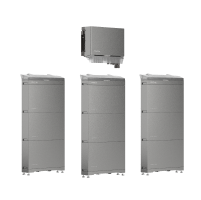
While Solar PV remains the “gold standard” for boosting an EPC score, the true value of renewable energy is unlocked through intelligent storage. In the UK’s current RdSAP (Reduced Data Standard Assessment Procedure) framework, while solar panels provide a direct lift to your rating, integrating a system like the EcoFlow OCEAN 2 Three-Phase Home Storage System offers more than just a theoretical score increase. It supports solar integration and multi-phase load balancing, ensuring you use every bit of generated power efficiently.
While the EPC score focuses on fixed hardware like solar panels and battery capacity, smart load management systems ensure these assets perform at their peak. By optimizing how renewable energy is stored and used, you maximize the efficiency gains recognized by modern assessments.
2. Upgrading Insulation and Heating Systems
The “quick wins” usually involve cavity wall insulation, double or triple glazing, and lagging pipes. Replacing an ageing G-rated boiler with a modern condensing model or a renewable system is often the single biggest jump a property can make on the scale.
3. Incorporating Renewable Energy Sources
Solar panels are the gold standard for EPC improvement. When you pair solar with battery storage, you reduce your reliance on the electricity grid, which assessors look upon very favourably.
4. Monitoring and Managing Energy Usage
By prioritising Smart Load Balancing and reducing your peak-time reliance on the National Grid, you are essentially “future-proofing” your property. Although current EPC assessments focus heavily on building fabric and hardware, the industry is rapidly moving towards “Smart Home” recognition.
Systems that offer real-time energy management and historical data tracking, such as the Ecoflow PowerInsight 2, ensure your home operates at peak efficiency long after the assessor has left, protecting both your rating and your long-term property value. By using historical data to optimise load distribution, you ensure your home stays at peak performance, protecting your EPC rating and your property’s long-term market value.

Schedule Your Free Consultation Today!
What kind of product or solution are you interested in?

Conclusion
A decade is a long time for an EPC to sit on a shelf. If you’ve recently modernised your heating or added home battery storage like the EcoFlow OCEAN 2, your old rating is likely doing your property an injustice. While an EPC is technically valid for 10 years, updating it after major upgrades can better reflect the real efficiency of your home. A newer rating can also make your property more attractive to buyers or tenants who care about long-term energy costs.
FAQs
1. How often should an EPC be renewed?
An EPC should be renewed every 10 years, or sooner if you have made significant energy-saving improvements to the property before selling or letting it.
2. How much should I pay for an EPC certificate?
Expect to pay between £60 and £120 for a standard residential EPC, depending on the size of your home and your location in the UK.
3. Do you have to have an EPC to sell a house?
Yes, it is a legal requirement to have a valid EPC in place before you can market your property for sale in the UK.
4. Do I need a new EPC if I extend my house?
Technically, no, but it is highly recommended. While the old one remains legally “valid” for 10 years, an extension changes the thermal profile of the house, and a new EPC will reflect the updated (and hopefully improved) energy status.
5. How long does an EPC inspection take?
A typical domestic EPC assessment takes between 45 and 90 minutes, depending on the size and complexity of the property.

