
How Long Do Washing Machines Last? Average Lifespan and Maintenance Tips
If you’ve just settled into a new spot or your faithful old appliance has started making a din that sounds like a jet taking off in your kitchen, you’re bound to be wondering: how long do these machines actually go for? We’re going to get stuck into the average lifespan of UK washing machines and what’s actually sending yours to an early grave—usually, it’s the nightmare of hard water or just cramming the drum too full. This guide will also explain how a bit of smart energy monitoring can warn you when your washer’s about to pack it in.
How Long Does a Washing Machine Typically Last in the UK?
A washer in the UK will last between 7 and 12 years before they’ve had their fill.But that’s not a hard rule; it’s mostly down to how often you're running it and whether you’ve got a budget model or something a bit more solid.
1. Average Lifespan by Machine Type and Usage
A machine in a single-occupant household might easily breeze past the 15-year mark, while a machine in a busy family home doing two loads a day might start flagging after six. Front-loaders, which are the standard in British kitchens, tend to be quite robust, but their complex electronic components are often what give out first.
2. Budget vs Mid-Range vs Premium Models
You often get what you pay for.
Budget models (the £250-£400 range) usually use plastic tubs and sealed bearings, making them harder and more expensive to repair, often lasting 5–8 years.
Mid-range models typically offer 8–12 years of service.
Premium brands (like Miele or higher-end Bosch units) are often tested to last 20 years, using stainless steel parts and brushless motors that survive the test of time.
What Factors Affect Washing Machine Lifespan?
It’s not only about which brand you choose — where you live makes a difference too. In the UK, a handful of quirks can turn a supposedly durable washing machine into a short-lived headache.
1. Frequency of Use and Load Size
Stuffing your duvet into a 7kg drum is a recipe for disaster. Overloading puts immense strain on the drive belt and the motor. Conversely, running half-empty loads frequently leads to unnecessary "cycle fatigue" on the internal components.
2. Water Quality and Limescale Build-Up in the UK
If you live in London, the South East, or East Anglia, hard water is probably on the agenda. Limescale is basically a silent killer for washers; it gunks up the heating element and clogs the pipes before you even notice. This type of mineral build-up requires regular attention, similar to the maintenance involved in heat pump system troubleshooting to keep heating components efficient. If you don't stay on top of it, all that build-up can easily knock a few years off your machine's life.
3. Installation Quality and Ventilation Space
A wonky machine is going to shake itself to bits, and that’s a death sentence for the bearings. Since we usually tuck them away under the worktops here in the UK, the heat’s got nowhere to go—which either cooks the motor or lets moisture wreck the circuit boards.

Signs Your Washing Machine Is Reaching Its Lifespan
Before a washing machine dies completely, it tends to make a bit of noise about it. Paying attention early can save you a lot of hassle — and a wet kitchen.
1. Unusual Noises, Vibrations, or Leaks
If your machine has started "walking" across the floor during the spin cycle or making a high-pitched metallic grinding noise, the bearings are likely gone. Similarly, small puddles around the door seal or the detergent drawer suggest the gaskets are failing.
2. Longer Wash Cycles and Poor Cleaning Results
If a 60-minute cycle now drags on for an hour and a half, something’s off — usually heating or drainage. And if your washing smells damp or comes out covered in suds, the sensors or pump won’t be far behind.
3. Rising Energy Bills and Reduced Efficiency
When a machine starts getting on in years, it loses its efficiency. The motor has to put in way more effort just to hit the right speeds, and that extra work shows up on your meter. In a climate where understanding what energy price cap is remains vital for managing household budgets, a failing appliance can quietly push your consumption into a higher cost bracket. If you’ve noticed your monthly bill going up for no obvious reason, your washer is probably the reason why.
Tips for Extending Washing Machine Lifespan While Saving Energy
Maximising the life of your appliance is a mix of good habits and smart technology. Here’s how to keep the "service required" light at bay.
1. Choose Appropriate Wash Cycles
Don’t just hit the "Daily Wash" button for everything. If you can, run your loads at 30°C. It’s much kinder to the heating element and stops the door seals from getting brittle and failing early. Only use the 60°C “Extra Dirty” wash when it’s actually needed.
2. Maintain Regular Cleaning and Care
Don’t let dirt pile up out of sight. A good maintenance routine should cover:
The Monthly Boil Wash: Run an empty cycle at 60°C or 90°C with a dedicated cleaner to dissolve "biofilm" and bacteria.
The 3-Month Filter Check: Locate the pump filter at the front base of your machine. This is a "hotspot" for lost coins, hairpins, and lint. A blocked filter forces the pump to work overtime, leading to premature motor burnout.
Wipe the Gasket: After every wash, quickly wipe the rubber door seal. Leaving it damp is the #1 cause of black mould and perishing rubber.
3. Monitor Energy Use for Early Warning
Internal mechanical wear—such as dry bearings or a belt that’s too tight—increases resistance, forcing the motor to draw more current and generate excess heat. This is a leading cause of motor failure. By using a home energy management system to track your power consumption, you can identify this "hidden wear" through data anomalies before the machine actually breaks.
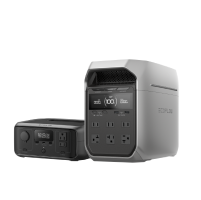
With the EcoFlow PowerInsight 2 and its Real-time Energy Tracking, you can turn vague performance into quantifiable data. It doesn't just record instant wattage; it generates historical comparison charts. This digital oversight lets you spot hardware stress that the naked eye (or ear) would miss, allowing for "preventative maintenance" that can scientifically extend your machine's life.
4. Balancing Laundry Loads with Overall Home Energy Use
Voltage fluctuations during peak grid hours — particularly during early evenings under UK time-of-use tariffs — are the “invisible killers” of home appliances. When multiple high-power appliances run simultaneously, frequent voltage drops can cause "electronic fatigue" in the control board or even blow sensitive components.
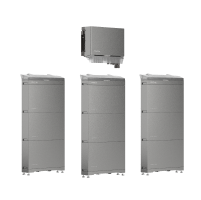
Scheduling laundry for times when the power supply is most stable is key to protecting these circuits. The EcoFlow PowerOcean (Single-Phase) system provides a "power buffer" for your washing machine via its smart Load Shifting technology. It isolates your appliances from grid spikes, ensuring your machine runs in an ideal voltage environment. This holistic approach to home energy secures your electronic components for the long haul.
.jpg)
Conclusion
A washing machine is a big investment for most UK households. By keeping limescale under control, avoiding overloading, and using smart energy monitors like EcoFlow to spot early signs of mechanical strain, you can add years to its life. Incorporating these habits into a broader setup, such as a home battery storage system, further secures your appliances against grid instability. Keep it clean, keep it level, and keep an eye on the data — because machines don’t usually fail suddenly, they let you know something’s wrong first.
Schedule Your Free Consultation Today!
What kind of product or solution are you interested in?
FAQs
1. What is the life expectancy of a washing machine UK?
The average life expectancy is between 7 and 12 years, though premium brands can last up to 20 years with proper maintenance and occasional repairs.
2. What are the common faults of a washing machine?
The usual stuff you see is blocked pumps, worn motor brushes, or the drum bearings giving up. And if you’re in a hard water area, the limescale on the heating element can cause all sorts of grief, too.
3. How to tell if your washing machine needs replacing?
Once the repair costs start hitting half the price of a new unit, it’s a lost cause. If it’s over 10 years old and the motor is gone, don't bother.
4. Is it worth fixing a 10 year old washing machine?
Almost never. It’s likely at the end of its life, and you’ll probably be paying for another repair on a different part before long.
5. How often should I clean my washing machine?
Give it a 60°C wash with descaler every month. Every few months, you’ve also got to empty that pump filter at the bottom—otherwise, all the trapped gunk will eventually stop it from draining.

