
How Long Do Electric Car Batteries Last?
If you’ve just swapped your petrol car for an EV or you’re eyeing up a new model, there’s usually one big question lingering: how long is that battery actually going to last? It’s the most expensive part of the car, so it’s only natural to worry about it losing its "juice" over time.
The good news? Modern batteries are tougher than you think. But like anything, how you treat them makes all the difference. In this guide, we’ll look at what really happens to your battery as the miles add up and, more importantly, how some clever home tech can keep it healthy for the long haul.
What Happens to an EV Battery After Years of Use?
We’ve all noticed our old iPhones starting to struggle after a couple of years, and EV batteries follow a similar path, just on a much larger scale. After years of school runs and motorway hauls in the unpredictable British weather, the chemistry inside the cells naturally starts to age.
1. Reduced Driving Range per Charge
It’s a subtle change at first. That full charge that used to comfortably get you from London to Manchester might start feeling a bit tight, perhaps requiring a quick stop-off that you didn't used to need.
2. More Frequent Charging Stops
As the capacity dips, you’ll find yourself reaching for the charging cable more often. It’s not just a bit of a faff; if you aren’t careful, these extra charging cycles can actually speed up the aging process even more.
3. Winter Range Dropping Faster Each Year
Our winters are a bit of a nightmare for EVs. As batteries get older, they struggle more with the cold. On frosty January mornings, your range may take a bigger hit than it did when the car was new.
4. Slower Acceleration From a Stop
That "instant zip" when the lights turn green is one of the best things about driving electric. However, an older battery can’t always dump its power as quickly, so you might notice the car feels just a tiny bit more sluggish when you put your foot down.
How Is Your Home Charger Damaging Your Battery?
Most of us think of our home charger as just a fancy plug. But the truth is, the way electricity enters your car matters.
1. Pass Through Damaging Grid Surges
The UK power grid isn’t always perfectly smooth, annual government data show that operators continually manage supply and demand variability and system stress to maintain security of supply across changing conditions. According to the 2025 Statutory Security of Supply Report, Great Britain’s electricity grid is assessed annually for its ability to meet demand under varied stress scenarios.
2. Ignore Internal Battery Temperature
Heat is the enemy of battery life. A charger that doesn’t monitor battery temperature can stress the cells over time, accelerating wear and subtly reducing range especially in colder months.
3. Accelerate Degradation With 100% Charge
It’s tempting to always charge to 100% so you’re ready for anything, but keeping a battery fully topped up for ages is like keeping a spring tightly coiled—it creates constant internal tension that wears things out faster.
4. Strain Older Batteries With Fixed High Power
Older batteries prefer a bit of a slower pace. Forcing a high-power charge into an ageing battery every single night is a bit like asking a senior dog to sprint—it’s just unnecessary strain.
How Can You Use Smart Home Tech to Extend Battery Life?
You don’t have to just sit back and watch your battery degrade. Moving to a smarter home setup can actually turn back the clock on wear and tear.
1. Filtering Unstable Power Spikes
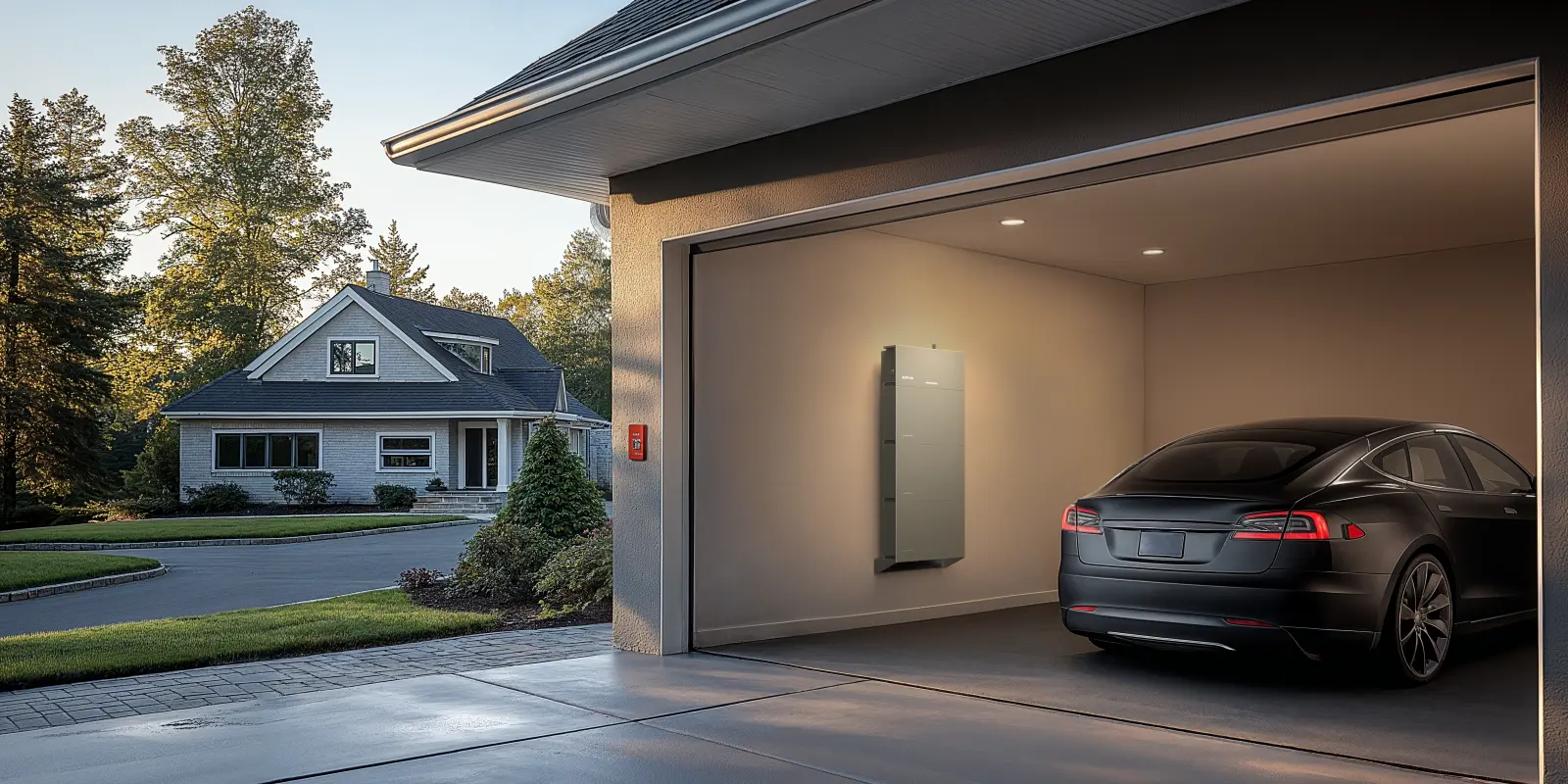
Not all chargers are created equal. A standard home charger simply passes electricity to your car, including any small surges or fluctuations from the grid. Over time, this “dirty” power can subtly stress the battery and accelerate wear. Using a smart home charging system can smooth out these spikes, delivering a steadier, cleaner flow of energy that batteries love. For example, the EcoFlow PowerOcean (Single Phase) is designed to do exactly this, protecting your battery from invisible stress and helping it stay healthier for longer.
2. Monitoring Battery Health in Real Time
You can’t manage what you can’t measure. Smart charging systems often come with real-time monitoring features that let you track your battery’s State of Health (SOH) and temperature. Devices like the EcoFlow PowerInsight 2 communicate with your car to show exactly how your charging habits affect battery life. With this data at your fingertips, you can make small adjustments that add years to your EV battery’s lifespan.
3. Charging With Gentle Solar Energy
If you’ve got solar panels, using that "green" energy to trickle-charge your car is about as gentle as it gets. It’s a much steadier flow of power than the grid, which the battery chemistry absolutely loves.
4. Automating the 80% Charge Limit
Smart tech takes the thinking out of it. You can set your system to automatically stop at 80% for your daily driving, only hitting 100% when you’ve got a long trip planned. It’s the easiest way to keep your battery in its "happy zone."

What Are the Next Steps to Protect Your EV Battery?
Ready to make your battery last longer? It’s not about obsessing over every single mile, but rather making a few small tweaks to your daily routine. Here’s a straightforward checklist to help you get the most out of your car:
1. Run a Quick Health Check
Before you change anything, it helps to know what you’re working with. Most modern EVs let you see your "State of Health" (SOH) right in the settings or via the official app. It’ll show you a percentage—basically how much "life" is left in the tank compared to when it was brand new. If your car is a bit shy with that data, you can grab a cheap OBD-II scanner to get a proper look at how your cells are holding up.
2. Rethink Your Daily Top-Up
Be honest, do you really need a 100% charge for a quick trip to the shops or the school run? In the UK, one of the biggest reasons batteries wear out early is because they spend too much time sitting at maximum voltage. Try capping your daily charge at 80%. It’s a tiny change, but it keeps the battery chemistry much more relaxed. You can always save that 100% "full tank" for when you're actually heading off on a long motorway trek.
3. Stop Using a "Dumb" Charger
If you’re still plugging into a basic wallbox that just hammers the battery with power until it’s full, you’re doing it the hard way. Upgrading to a home battery storage system is a bit of a game-changer for your car’s longevity. It’s built to handle those annoying grid fluctuations we often get here, acting like a surge protector for your car. Instead of just "pushing" power, it manages the flow, making sure the energy hitting your battery is clean and stable.
4. Keep an Eye on the Numbers
You don’t have to guess how your battery is doing anymore. A dedicated monitor puts all that techy data into a simple dashboard you can actually understand. It tracks how things like the winter cold or your ev charging time are affecting your battery’s health over time. Having that info at your fingertips means you can spot problems before they become expensive repairs.
5. Think About the Resale Value
Taking care of your battery isn't just about the drive today; it's about the payout later. When you eventually come to sell or trade in your EV, being able to show a clean bill of health from a smart tracking system is a massive bonus. A buyer is much more likely to pay a premium if you can prove you’ve made your home more energy-efficient by looking after the battery with proper data and smart charging.
Schedule Your Free Consultation Today!
What kind of product or solution are you interested in?


Conclusion
EV batteries are built to last, but they aren't invincible. By understanding the things that stress them out—like erratic grid power and overheating—and using smart home tech to manage the process, you can keep your car feeling fresh for years to come.
FAQ
1. How Much Does It Cost to Replace an Electric Car Battery in the UK?
Expect a bill anywhere from £5,000 for a small city car to over £20,000 for a long-range Tesla or Audi. While the average cost in 2026 has dropped to around £100 per kWh, the labour for a full swap still adds a hefty chunk. It’s easily the most expensive job you could face, which is why most UK drivers focus on battery health early on—treating the battery well is much cheaper than replacing it.
2. What Is the 80/20 Rule for Electric Cars?
The 80/20 rule is basically about keeping your battery in its "happy zone" between 20% and 80% charge. Think of it like a rubber band; if you keep it stretched to the limit (100%) or let it go totally slack (0%), it loses its bounce faster. Staying in that middle 60% range for your daily commute keeps the internal chemistry stable and significantly slows down degradation.
3. Does Driving Fast Drain EV Battery?
Definitely. Once you get above 60mph, your range starts to drop off a cliff. It’s all about physics; at motorway speeds, the car has to work twice as hard to push through the air. You’ll notice your miles-per-kWh is much better nipping around town than it is cruising at 70mph on the M1.
4. Can I Replace an EV Battery Myself?
No. These packs run at hundreds of volts—enough to be fatal if you make one wrong move. It’s not like swapping a lead-acid battery in an old Ford; you need specialist high-voltage training, heavy-duty lifting gear, and software to "pair" the new battery to the car. It’s strictly a job for a qualified garage.
5. What Is the Failure Rate of EV Batteries?
It’s incredibly low, latest data shows that less than 1.5% of batteries fail completely. Most of the "scare stories" come from 10-year-old early models. Modern EVs built in the last few years are far more robust, and most owners will find the car itself wears out long before the battery actually dies.

