
How Does an Air Source Heat Pump Work?
If you’ve been keeping an eye on the UK’s transition toward net-zero, you’ve likely heard a fair bit of chatter about air source heat pumps (ASHPs). As we move away from traditional gas boilers, understanding how does an air source heat pump work is essential for any homeowner looking to upgrade. This article breaks down the science of moving heat rather than making it, explores the components that keep your toes toasty, and looks at how modern integrations can make the whole setup significantly more efficient for British homes.
How Air Source Heat Pumps Differ from Other Heating Systems
To appreciate a heat pump, it helps to first look at what it isn't. Most of us are used to the traditional gas-fired approach: burning gas or oil to create heat from scratch.
1. Why Moving Heat Is More Efficient Than Burning Fuel
Traditional boilers are inherently wasteful. Even the most efficient models can’t exceed 100% because they must burn fuel to generate heat. A heat pump, however, is a bit of a clever shortcut. Instead of generating heat, it simply "borrows" it from the outside air and moves it indoors. Because it’s moving existing renewable energy rather than creating it, you can get three or four units of heat for every single unit of electricity used. For a typical UK home, this might mean using 1 kWh of electricity to produce 3–4 kWh of heat, enough to warm your living room or keep your hot water flowing efficiently.
2. The Components That Enable Higher Efficiency
This efficiency isn’t down to luck; it’s down to a clever bit of engineering involving an evaporator, a compressor, and a heat exchanger. While a gas boiler relies on a steady flow of fuel, the heat pump relies on the physical properties of refrigerants. This allows the system to remain incredibly effective even when the British weather is doing its best to stay grey and chilly.
How an Air Source Heat Pump Works
It sounds a bit counterintuitive—getting heat from cold air—but the physics are sound. To understand how does an air source heat pump work in practice, here is the step-by-step journey of a thermal unit entering your home.
1. Heat Extraction from External Air
The process kicks off with an outdoor fan unit drawing in ambient air. This air passes over a heat exchanger containing a liquid refrigerant, which still functions even below freezing. Its very low boiling point lets it absorb heat and turn into gas.
2. Heat Compression and Temperature Boost
Once the refrigerant has "captured" the outside warmth, it’s a bit lukewarm. To make it useful for your radiators, the compressor steps in. By squeezing the gas into a smaller volume, the temperature rises significantly—much like how a bike pump gets warm when you use it vigorously.
3. Heat Delivery to Home Systems
This high-temperature gas then passes through a second heat exchanger, where it gives up its heat to your home’s central heating or hot water cylinder. The refrigerant cools down, turns back into a liquid, and heads back outside to start the cycle all over again.
4. Real-World Performance Factors
In a perfect world, this cycle is seamless. However, in the UK, factors like humidity and "defrost cycles" play a role. The system has to work a bit harder when it’s damp and freezing, which is why the quality of your installation and the tech you choose matters so much. If issues arise during these periods, understanding heat pump system troubleshooting can help ensure your system maintains peak efficiency throughout the winter.
Factors Affecting Air Source Heat Pump Efficiency
Air source heat pumps don’t all perform alike. Their efficiency can vary depending on things like installation quality, home insulation, and outdoor unit placement.
1. Ambient Temperature and Thermal Stability
Heat pumps love stability. When external temperatures plummet, the system has to work harder to "find" heat. This is where the concept of the Seasonal Coefficient of Performance (SCOP) comes in, helping you determine are heat pumps worth it in the UK over the course of a fluctuating British winter.
2. Property Insulation and Heat Emitter Compatibility
There’s no point heating a house that leaks like a sieve. For a heat pump to be worth the investment, your insulation has to be solid. Because these systems run much cooler than a traditional boiler, they rely on 'surface area' to keep you cosy. This usually means upsizing your radiators or choosing underfloor heating to achieve the best results.
3. Operational Consistency and Electricity Dependence
Since these systems run on electricity, they are sensitive to the stability of your power supply. Frequent starting and stopping (cycling) can wear down the compressor and spike your bills, making a consistent energy flow vital for long-term health.
4. System Sizing and Siting Considerations
An undersized pump will run constantly without ever getting the house warm, while an oversized one will "short-cycle." Correct siting, ensuring there’s plenty of airflow around the outdoor unit, is also a non-negotiable for British installers.
5. Running Costs: Traditional Boiler vs. Smart Heat Pump System
To give you a clearer picture, let’s compare the estimated annual running costs for a typical 3-bedroom semi-detached home in the UK (assuming an annual heating demand of 12,000 kWh).
| Feature | Gas Boiler (85% Efficiency) | ASHP + Storage (SCOP 3.5) |
|---|---|---|
| Annual Energy Source | Gas: ~14,100 kWh | Electricity: ~3,400 kWh |
| Energy Price (Avg.) | 6p / kWh (Gas) | 24.5p / kWh (Standard Elec.) |
| Smart Optimisation | None | -30% (Using Solar/Off-peak) |
| Estimated Annual Cost | £846 | £580 - £630 |
| Carbon Emissions | ~2,800 kg CO₂ | ~650 kg CO₂ |
Note: Figures are estimates based on average UK energy price caps (2025/2026). Actual savings may vary depending on property insulation and local tariffs.
As the data suggests, while the efficiency of the pump itself is high, the real financial breakthrough happens when you optimize how and when that electricity is used.
How to Improve Air Source Heat Pump Performance
If you want to move beyond "standard" efficiency and really squeeze the most out of every kilowatt, you need to look at the wider energy ecosystem of your home.
1. Optimizing Heat Pump Operation
Small tweaks, like setting a consistent "background" temperature rather than turning the heating on and off abruptly, can make a world of difference. It’s about playing the long game rather than looking for a quick blast of heat.
2. Integrated with Home Energy Storage
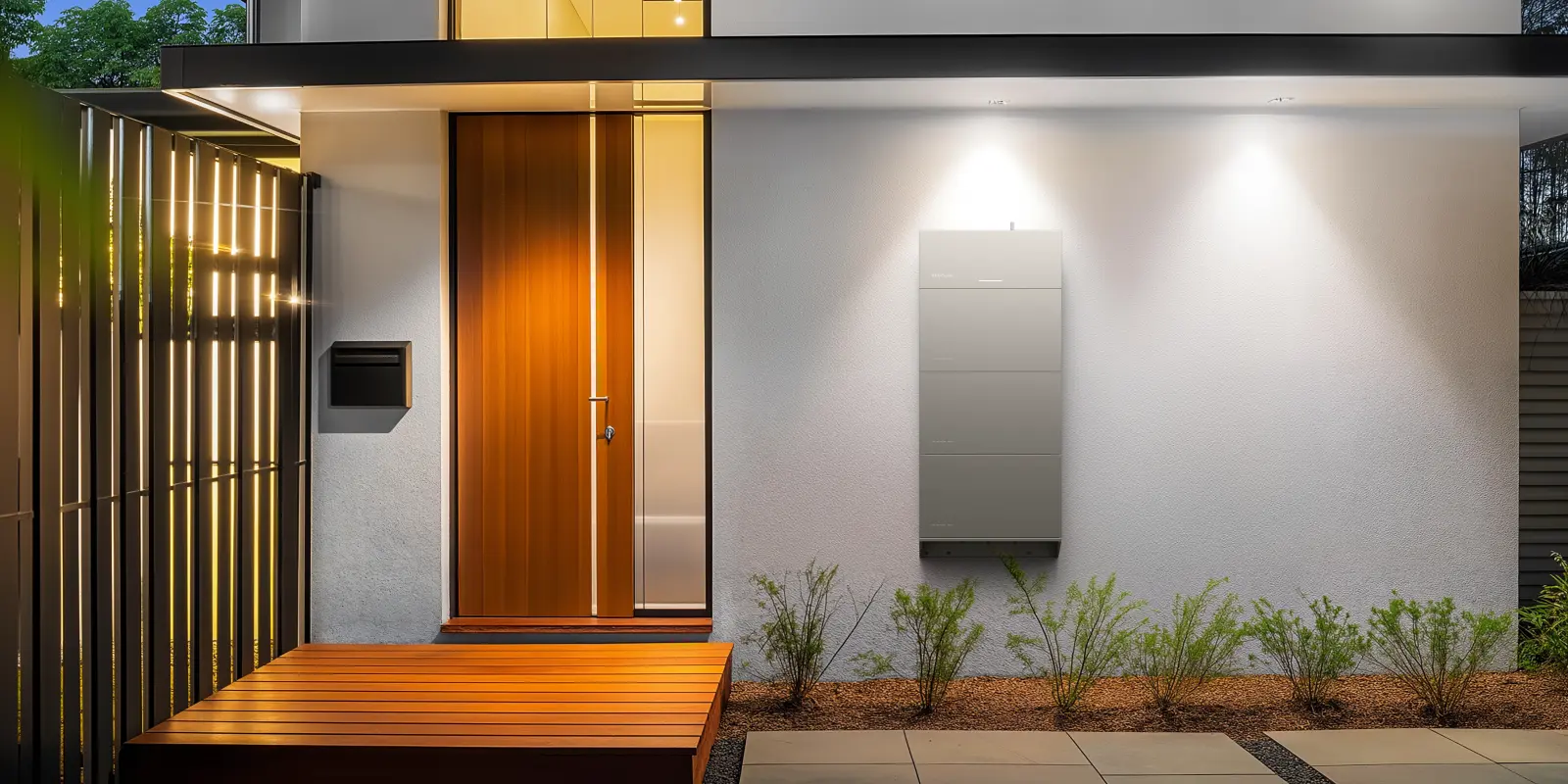
The performance of a heat pump is only as good as the energy feeding it. During peak grid demand or extreme cold snaps, heat pumps often ramp up their activity, which can be costly. By integrating a system like the EcoFlow PowerOcean (Single Phase), you create a powerful energy buffer for your home.
This setup allows the heat pump to run within its most efficient power range, avoiding performance drops caused by grid limitations. It also enables "smart scheduling"—storing cheap off-peak electricity and releasing it when temperatures drop and the heat pump needs to work hardest. With up to 45kWh of capacity, it ensures your heating stays high-performance without the running cost on your bill.
3. Integrating Smart Heat Management
The next leap in efficiency comes from deep software and hardware synergy. EcoFlow PowerHeat demonstrates how modern ASHPs can break through traditional limits. Instead of acting as a standalone appliance, it functions as the heart of your home’s thermal management.
By linking with solar and storage systems, it adjusts compressor frequency in real-time based on the weather. This ensures the system stays within the highest COP (Coefficient of Performance) range. Utilizing R290 (propane) technology, it can achieve the high water temperatures needed for traditional UK radiators, fundamentally improving the comfort of your entire home.
4. Seasonal Adjustments and Maintenance
A quick annual check-up to clear leaves from the fan and ensure the refrigerant levels are topped up is all it takes to keep the system running smoothly. It’s far less trouble than an annual boiler service, but just as important.

Is an Air Source Heat Pump the Right Choice for Your Home?
For most UK homeowners, the answer is a resounding yes, provided the "envelope" of the house is ready. If you have decent loft insulation and double glazing, a heat pump is a fantastic way to future-proof your home against rising fossil fuel costs and carbon taxes.
Schedule Your Free Consultation Today!
What kind of product or solution are you interested in?

Conclusion
Switching to an air source heat pump is more than just a mechanical upgrade; it’s a shift in how we think about energy. Once you grasp how does an air source heat pump work, moving heat rather than creating it, it becomes clear why this is the future of home heating. By pairing the pump with smart home battery storage solutions like the EcoFlow PowerOcean, you can enjoy a warm, sustainable home that’s as kind to your wallet as it is to the planet.
FAQs
1. Do air source heat pumps use a lot of electricity?
No, they are actually incredibly efficient, typically providing 3 to 4 units of heat for every 1 unit of electricity consumed. While they do use more electricity than a gas boiler (which uses none), the total energy input is much lower.
2. Why is my electric bill so high with an air source heat pump?
Usually, high bills are caused by poor insulation or "short-cycling," where the system turns on and off too frequently. To fix this, ensure your home is well-insulated and consider using a battery storage system to utilize cheaper overnight tariffs.
3. Do air source heat pumps use radiators?
Yes, they work perfectly well with radiators, though you might need larger "Type 22" or "Type 33" radiators to account for lower flow temperatures. Many people also find them ideal for underfloor heating.
4. Do air source heat pumps increase property value?
Generally, yes, as they improve the home's EPC rating and appeal to eco-conscious buyers looking to avoid future gas connection costs. A high-efficiency heating system is a major selling point in the modern UK housing market.
5. Can you run a shower from an air source heat pump?
Absolutely. An air source heat pump can provide all the hot water needed for showers and baths, provided it is paired with a suitable unvented hot water cylinder. Modern high-temperature heat pumps, especially those using R290 (propane) refrigerant, can efficiently heat water to 60°C or 70°C without requiring an immersion heater. This ensures you get a powerful, steaming hot shower even when it’s freezing outside.

