
Home Upgrade Grant: How to Get Free Energy Upgrades in 2026
Energy efficiency is becoming essential for UK households, as energy prices remain high and carbon reduction targets tighten. The Home Upgrade Grant (HUG) provides a practical solution: eligible households can access free energy-saving improvements, from insulation and low-carbon heating to solar panels and smart energy controls. These upgrades not only lower bills but also improve home comfort and sustainability. This guide explains how HUG works in 2026, what upgrades are covered, how to apply, and practical ways to maximise their value.
What the Home Upgrade Grant Is
The Home Upgrade Grant is a government initiative designed to help households install energy-efficient measures that reduce both bills and carbon emissions. It targets properties that might otherwise struggle to invest in upgrades, making low-carbon technology accessible to more people.
How the Home Upgrade Grant Works in 2026
In 2026, HUG continues to focus on low-income and vulnerable households. Local authorities assess eligibility, recommend suitable upgrades, and ensure professional installation. Once approved, the grant covers full installation costs, removing financial barriers and guaranteeing quality measures are implemented efficiently.
What Energy Upgrades Are Covered by the Home Upgrade Grant
HUG supports measures that improve efficiency and reduce energy waste.
1. Home Insulation Improvements
Upgrades such as loft, cavity wall, and underfloor insulation help retain heat, lower heating demand, and reduce bills. Older UK homes often lose significant heat through poorly insulated walls or roofs, so these measures are fundamental to how to save energy at home.
2. Low Carbon Heating Systems
Heat pumps, biomass boilers, and other low-carbon heating solutions replace traditional fossil-fuel systems. Combined with insulation, these systems reduce energy consumption and carbon emissions while keeping homes comfortable.
3. Renewable Energy and Smart Controls
HUG typically supports renewable energy upgrades such as solar panels and smart energy controls. Solar panels generate clean electricity and reduce reliance on the grid, while smart controls help manage energy use efficiently, for example by optimising heating or appliance schedules. These measures together allow households to make the most of generated energy, lower waste, and reduce bills with minimal extra effort.
How to Apply for the Home Upgrade Grant
Applying for HUG involves a few clear steps, but knowing what to expect makes the process smoother. Considering the current energy price cap, these free upgrades represent a significant long-term saving on household utility bills.
1. Check Eligibility and Property Requirements
Eligibility depends on factors like household income, property type, and energy efficiency ratings. Local authority websites provide guidance on required documents, such as proof of income, tenancy details, and property energy performance certificates. Checking these early helps avoid delays and ensures your application meets all requirements.
2. Apply Through Your Local Authority
Applications are submitted through your local council, which reviews household details and assesses property suitability for eligible measures. Councils often provide guidance on forms, deadlines, and supporting evidence, helping you navigate paperwork efficiently and ensuring that approved upgrades align with your home’s needs.
3. Complete the Home Energy Assessment
A certified energy assessor visits your property to identify inefficiencies and recommend the most effective upgrades. Assessments may include checking insulation, heating systems, and energy usage patterns. This step ensures the grant is applied where it will make the most impact and that installations are appropriate for your home.
4. Installation and Completion
Once approved, professional contractors carry out the installations according to HUG standards. After completion, work is verified to ensure quality and compliance. Homeowners benefit fully from the grant without any upfront payment, and the verification process ensures all measures function correctly and deliver expected energy savings.
How to Maximize the Value of Your Free Energy Upgrades
Receiving upgrades is only the first step. Integrating technology, adjusting behaviour, and monitoring performance significantly enhances savings.
1. Integrating Solar and Stored Energy for Greater Savings
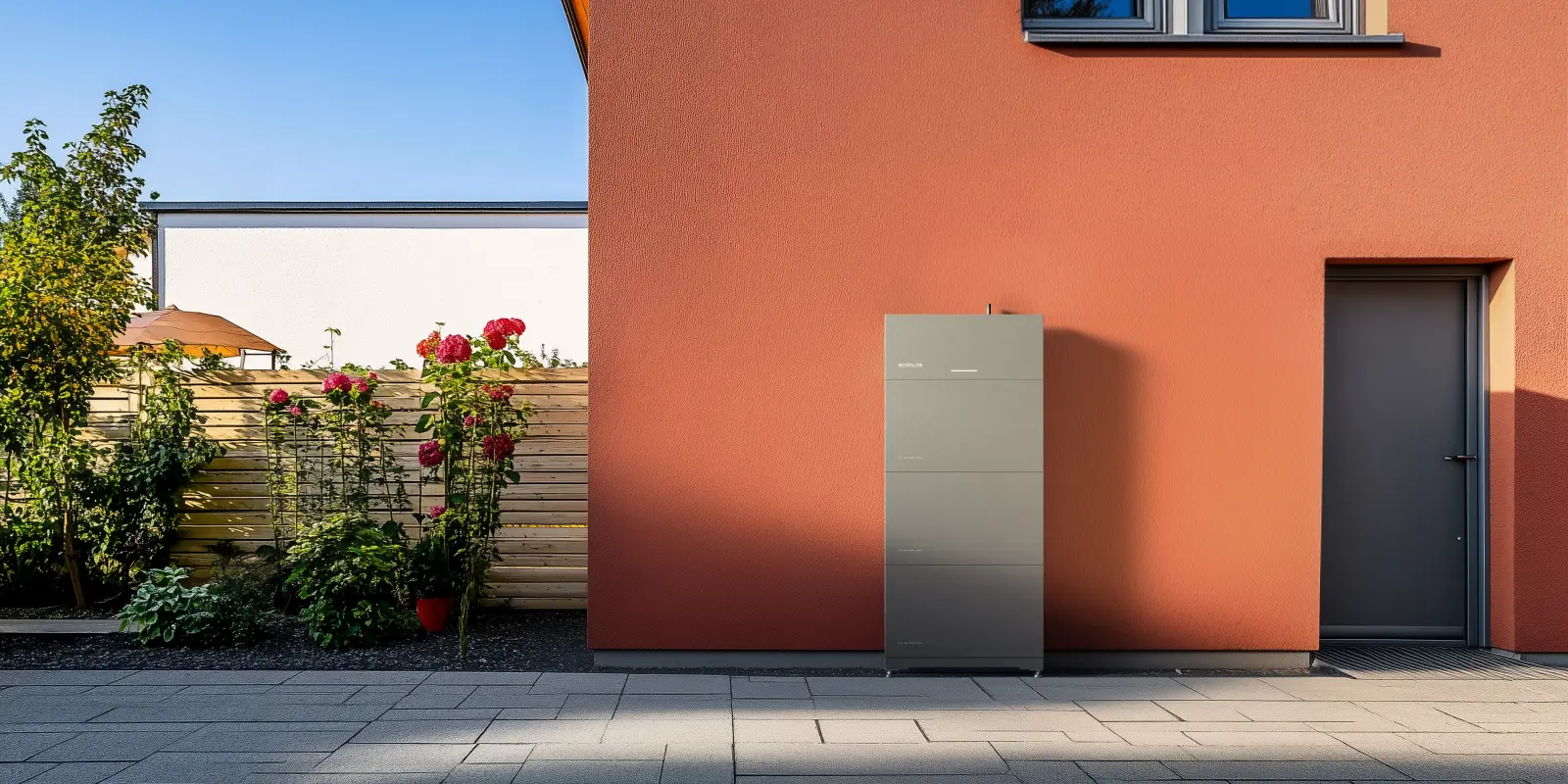
While HUG provides the solar panels, it often excludes home battery storage. This means much of your free daytime electricity can go to waste. Complementing the grant with a system like the EcoFlow PowerOcean (Single Phase) allows you to capture that surplus and release it whenever demand peaks. By combining solar with storage, households maximize self-consumption and prevent government-funded energy from flowing back to the grid, ensuring you get more value from the HUG-funded panels.
2. Enhancing Existing Systems Without Replacement
Expanding energy storage doesn’t have to involve major rewiring or replacing existing systems. Many homes already have HUG-installed inverters or heating systems that work well, and upgrades should complement rather than replace them. By opting for retrofit-compatible storage solutions, households can increase capacity without disrupting existing setups. This helps reduce installation costs, avoids delays from permits or grid approvals, and keeps the overall system more flexible and future-proof.
3. Adjusting Energy Use to Match Your Upgrades
Even with storage, timing matters. Shifting appliance use, such as washing machines, dishwashers, or EV chargers, to periods when solar or stored energy is available improves self-consumption and reduces grid reliance. Simple behaviour adjustments, combined with automated controls, can lead to noticeable reductions in electricity bills while maximising the value of installed upgrades.
4. Tracking and Monitoring Savings Over Time
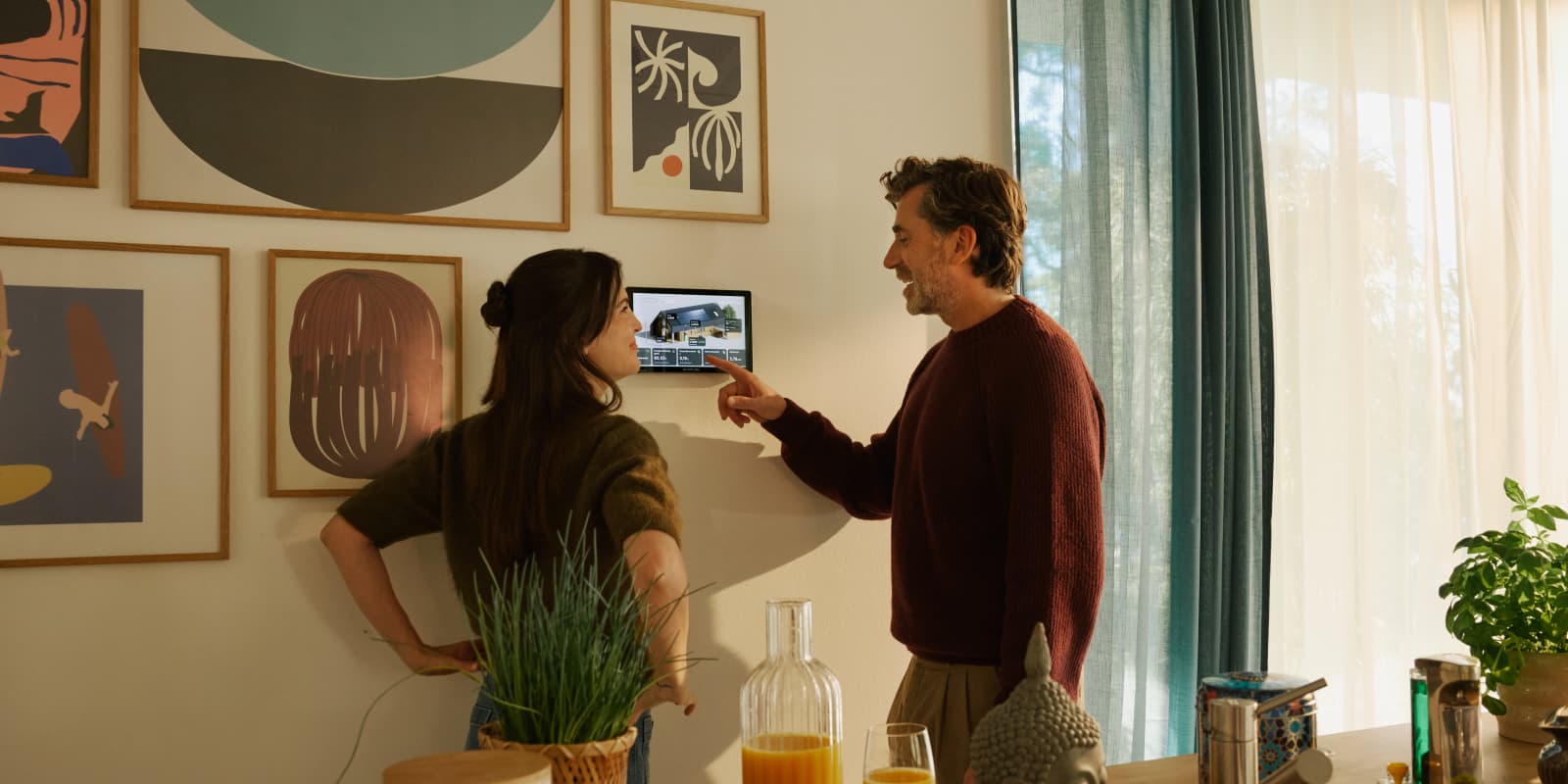
Maximizing the value of HUG-funded upgrades requires moving beyond "install and forget" toward active performance tracking. Without visibility, it can be difficult to tell if household habits are wasting free energy or if solar yields are reaching their full potential. As a dedicated visual terminal for the home, the EcoFlow PowerInsight 2 helps bridge this gap by providing real-time tracking of self-consumption rates and cost savings. Through intuitive charts that highlight waste and usage patterns, it allows households to precisely optimize their energy habits, turning raw data into measurable bill reductions.
Things to Know Before Accepting Free Energy Upgrades
Even when upgrades are free, there are practical points to consider to ensure maximum benefit and minimal disruption. Being aware of these factors helps households plan effectively and get the most out of government support.
1. Not All Upgrades Are Suitable for Every Home
Property age, layout, insulation, and existing systems affect how effective each measure will be. For example, older homes with solid walls may benefit less from cavity wall insulation, while well-insulated homes may see smaller heating reductions. Professional energy assessments, which often reference the property's energy efficiency rating, ensure the grant is used where it delivers real energy savings and bill reductions, tailoring recommendations to each home’s specific needs.
2. Free Does Not Always Mean No Disruption
Installation can involve scaffolding, roof access, or temporary interruptions to electricity or heating systems. Even simple measures, like loft insulation, may require moving furniture or minor adjustments inside the home. Knowing what to expect allows households to plan ahead, minimise inconvenience, and ensure work proceeds smoothly.
3. Ownership and Responsibility After Installation
Homeowners remain responsible for maintenance and proper use. This includes routine checks on solar panels, battery storage, or heating systems, ensuring equipment runs efficiently and safely. Regular maintenance helps maximise long-term savings and protects the performance of the upgrades funded by the grant.
4. Impact on Existing Heating and Electrical Systems
New measures can change energy demand, load patterns, or the performance of existing equipment. For example, adding insulation may reduce heating requirements, and solar panels with storage can alter electricity usage patterns. Coordinating upgrades with existing systems ensures safe operation, maximises efficiency, and prevents issues such as reduced performance or electrical overloads.
Schedule Your Free Consultation Today!
What kind of product or solution are you interested in?

Conclusion
The Home Upgrade Grant gives UK households a real opportunity to improve energy efficiency with no upfront cost. By integrating upgrades, adjusting energy use, and monitoring performance, every improvement can reduce bills, prevent waste, and create a more comfortable, sustainable home. Careful planning ensures the full financial and environmental benefits of government-funded energy upgrades are realised.
FAQ
1. What is the home upgrade grant Phase 1?
Phase 1 focused on helping low-income and vulnerable households improve energy efficiency. It funded measures such as loft and wall insulation, low-carbon heating systems, and solar panel installations. The aim was to reduce household energy bills, lower carbon emissions, and improve comfort. Phase 1 also established the process and eligibility criteria that continue to guide later phases of the grant, ensuring that the most suitable measures are provided to the right homes.
2. Do UK grants need to be paid back?
No, the Home Upgrade Grant is non-repayable. Once approved and installed, homeowners or tenants are not required to repay the funding. However, recipients must comply with eligibility rules, complete the installation through certified contractors, and allow verification checks. Failing to meet these requirements could result in ineligibility for future support, but there is no repayment obligation for the grant itself.
3. What is the maximum grant amount?
The maximum grant varies depending on household income, property type, and the measures installed. Typical grants cover the full cost of eligible measures, which can range from a few thousand pounds for single upgrades, like insulation or a heat pump, up to £10,000 or more for combined improvements such as insulation, heating, and solar panels. Local authorities provide guidance on the funding available for each property, so applicants can understand what upgrades are realistic under HUG.
4. Can I get a grant to replace my windows?
In most cases, window replacement is not directly covered by HUG, unless it is part of an energy efficiency measure, such as installing secondary glazing in poorly insulated homes. The grant focuses on upgrades that provide measurable energy savings and carbon reduction. Homeowners interested in window replacement may need to explore other schemes or funding sources that specifically target glazing improvements.
5. Can I apply if I have already done some upgrades?
Yes, you can still apply, but the grant will only fund additional eligible measures that are necessary to meet efficiency standards. For example, if you have already installed insulation, the grant may still cover a heat pump or solar panels. Local authority assessors will review your property and previous improvements to determine what additional measures qualify, ensuring that the grant complements existing upgrades rather than duplicating work.

