
How Smart Energy Systems Can Integrate Your Digital Heating Thermostat and Air-Source Heat Pump
Smart energy management is reshaping how European homes stay warm. More households are adopting air-source heat pumps and upgrading to a digital heating thermostat, not just for comfort but for greater control over their energy use. On their own, each technology improves efficiency—but when integrated through a smart energy system, they unlock an entirely new level of performance and savings.
What Makes an Energy System “Smart”?
A smart energy system can monitor, predict, and adjust how energy is used throughout your home. Its core components typically include smart meters, connected thermostats, renewable inputs such as solar PV, battery storage, and data-driven software that coordinates them.
To truly optimise performance, these elements need to communicate in real time. For example, your digital heating thermostat should exchange data with other components, like your smart meter and heat pump, to maintain comfort while reducing unnecessary energy use.
Having a seamless connection with all components helps your home become more efficient and ultimately more comfortable to live in.
The Role of the Air-Source Heat Pump in a Smart Home
An air-sourced heat pump uses ambient air to transfer heat from a source and into a sink, such as your home or your water supply. A higher coefficient of performance (COP) means the unit delivers more heat for each unit of electricity it uses, making it more efficient and cost-effective to run. This is very important if you want your ASHP to heat your home and water without wasting energy input. Having an efficient ASHP also lowers carbon emissions, which benefits the environment.
Having smart control features maximises your ASHP’s performance. You can preheat your unit when electricity is cheaper or when a solar unit is available, modulating output based on room demand. An example of this approach is EcoFlow PowerHeat, which allows seamless integration with monitoring software and other smart components for a better home heating unit.
Why a Digital Heating Thermostat Is Key to Intelligent Heating Control
A modern digital heating thermostat is essential in any smart home because it can learn the patterns in your household and adjust automatically. An effective remote heating thermostat needs to have features such as geofencing, zoning, and adaptive learning.
Adaptive learning allows the thermostat to recognise your heating patterns and automatically adjust temperatures to match your daily habits. Geofencing uses location data to detect when you’re leaving or returning home, enabling the thermostat to activate or reduce heating based on your proximity. Zoning, meanwhile, lets you set different temperatures for specific rooms or areas, giving each space personalised comfort without wasting energy.
Having your heating thermostat integrated into a smart energy system will allow it to communicate with the heat pump, balancing comfort and efficiency in real time.
How Remote Heating Thermostat Integration Works
When integrated into a smart energy system, the remote heating thermostat must be connected to other devices using Wi-Fi, Zigbee, or proprietary protocols. This is important as it will allow your heating control remote to communicate with other devices in the network seamlessly.
Wi-Fi enables direct communication between devices on the same home network, while Zigbee provides a low-power, low-cost mesh system that maintains stable links even across multiple devices. Proprietary protocols, on the other hand, allow products from the same brand to communicate with minimal latency and often with more advanced features.
Having a central controller or energy platform can help you coordinate when the heat pump runs, how much power it draws, and how thermostat settings adapt to occupancy, as well as energy price signals. For example, during a sunny afternoon, the central system can detect high solar generation and signal the heat pump to preheat water or warm rooms before evening demand increases. This works through predefined rules and communication pathways that trigger each device to perform specific actions based on real-time conditions.
Schedule Your Free Consultation Today!
What kind of product or solution are you interested in?

The Benefits of a Connected Heating Thermostat System
Improved Comfort and Stability
If your heating system is integrated into a smart system, it’ll improve the comfort and stability of your home’s conditions. The heating thermostat can adjust to temperature changes and avoid overshooting. This helps your home be comfortable even during extreme weather. This is also handled with urgency so your system can adapt to sudden temperature changes.
Lower Running Costs of a Thermostat Controller
When using a thermostat controller, you can smart-schedule heat pump operations during low-cost tariff periods or solar generation. This allows you to save on electricity bills by avoiding peak hours. Also, you can use your solar system to power your heat pump and avoid relying on the grid, especially during peak grid periods when tariffs can be higher.
Lower Carbon Footprint
Using a heating remote can help you lower your carbon footprint when you integrate renewable energy sources and storage units. Having a PV system with a battery allows you to generate renewable energy, which you can then store for later use. This is helpful not only for lowering electricity bills but also for lowering your reliance on fossil fuels that drive up carbon emissions.
Heating Control Remote Monitoring and Insights
Including heating control remote monitoring in your system allows you to track how each device performs and how it contributes to your overall energy savings. With real-time data and usage insights, you gain a clearer understanding of where your energy goes and how efficiently your system is operating.
Smart monitoring brings several benefits:
Lower electricity bills through more intelligent, automated heating decisions
Improved comfort thanks to quicker, more accurate adjustments without temperature overshoots
Clear visibility into your system’s performance over time
A future-ready home that can adapt to new technologies and energy-saving opportunities

The Role of Home Energy Storage
Home energy storage units can complement smart heating systems by supplying electricity when solar generation is low or when tariffs are high. With a battery, you can perform load-shifting strategies to reduce electricity costs. Load shifting happens when you use stored power to run your heat pump and other devices during the night or in cold spells.
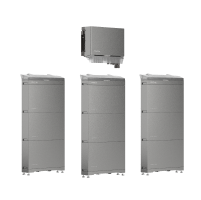
An example of a home energy storage unit that is modular and can integrate with smart control systems is the EcoFlow PowerOcean. It integrates well with PowerInsight 2 and HEMS for more control.
Practical Considerations for Homeowners
When planning to install a smart heating system, several practical factors will help ensure everything works smoothly. First, check the compatibility of your thermostats, inverter types, and communication interfaces. This ensures all components can communicate on the same network and operate reliably together.
Second, confirm that your heat pump supports smart control protocols. Reviewing its built-in functionalities before upgrading will help you avoid integration issues later. Also, make sure your installers are accredited and that all products come with appropriate warranties.
Finally, be aware that some grants or energy schemes in the UK and EU may require smart control integration as part of their eligibility criteria, so it’s worth reviewing these requirements early in the planning process.
What’s Next in Smart Heating Integration
Home monitoring systems are getting smarter with advancements such as AI-based optimisation, dynamic tariffs, virtual power plant participation, and interoperability between devices. These features allow for smarter system control and performance tracking. For example, EcoFlow’s HEMS uses AI to optimise your smart system's performance and track tariffs. Integrated systems will become the standard as homes electrify and grids decarbonise.
Schedule a consultation with EcoFlow for quotes and guidance on smart heating system installation and integration.
FAQ
1. What is a heating thermostat?
A heating thermostat acts as your home’s control panel for heating systems. This device allows you to set parameters for activation and scheduling. You can integrate this with other components such as PV systems and batteries.
2. Is it cheaper to run heating on a thermostat?
Initially, it’ll require a monetary investment. However, having the ability to control your heating systems and automate them will help with long-term electricity fees. Functions such as load shifting and conditional activation help as well.
3. How to set a home heating thermostat?
First, check if your inverters and other components are compatible with smart features. This includes your heat pumps. Then, ask an accredited installer to service your system to make sure it meets regulations and standards.

