
EcoFlow PowerHeat: The High-Efficiency Alternative To a Heat Pump for Geothermal System
In the UK, electrification and sustainability goals are being pushed in the face of rising energy bills. Homeowners are starting to look at heat pumps for geothermal system units, as well as other alternatives such as air-to-water heat pumps powered by photovoltaic systems, as a practical choice.
What Is a Heat Pump for Geothermal System?
A heat pump for geothermal system is a type of heat pump that uses the temperature underneath the ground to transfer heat from one place to another. Ground source heat pumps (GSHPs) are renowned for their efficiency and long-term payoffs. Geothermal pumps are ideal for new builds with available land area for installation and retrofits with deep budgets.
What’s great about GSHPs is that they produce heat consistently and get very high seasonal efficiency ratings. However, land access is required for drilling and trenching, with a high upfront cost, and is prone to planning and installation disruption.
Ground Source Heat Pump Cost and Installation Challenges
High Upfront Investment
When it comes to ground source heat pump cost challenges, the biggest one is the high upfront investment needed. For UK residents, typical installation ranges from £18,000 to £45,000. This is due to a combination of drilling/trenching, the heat pump system itself, tanks, and labour expenses. This can go up due to additional engineering and survey fees. Lastly, a GSHP will also require a long payback time consideration.
Installation Disruption and Timelines
Another challenge you may face is regarding installation disruption and timelines. Take note that it will involve groundwork services and the use of large machinery. You’ll also have to coordinate with your utilities for better installation. Lastly, the temporary site disturbance can make living in your residence a challenge.
Additional Home Upgrades Often Required
Also, when installing a GSHP, you will need to do some additional home upgrades. These include radiator replacements or underfloor heating, insulation improvements for maximum efficiency, and potential electrical upgrades. All of these can increase the total project cost significantly.
Ground Source Heating Cost: Maintenance and Repair Considerations
Ground source heating cost problems will also include maintenance and repair considerations. These will include burying ground loops, which are difficult to access and costly, specialist servicing in case of problems, and repair complexity risk despite a long system lifespan.
Why High-Efficiency Air-to-Water Heat Pumps Make More Sense
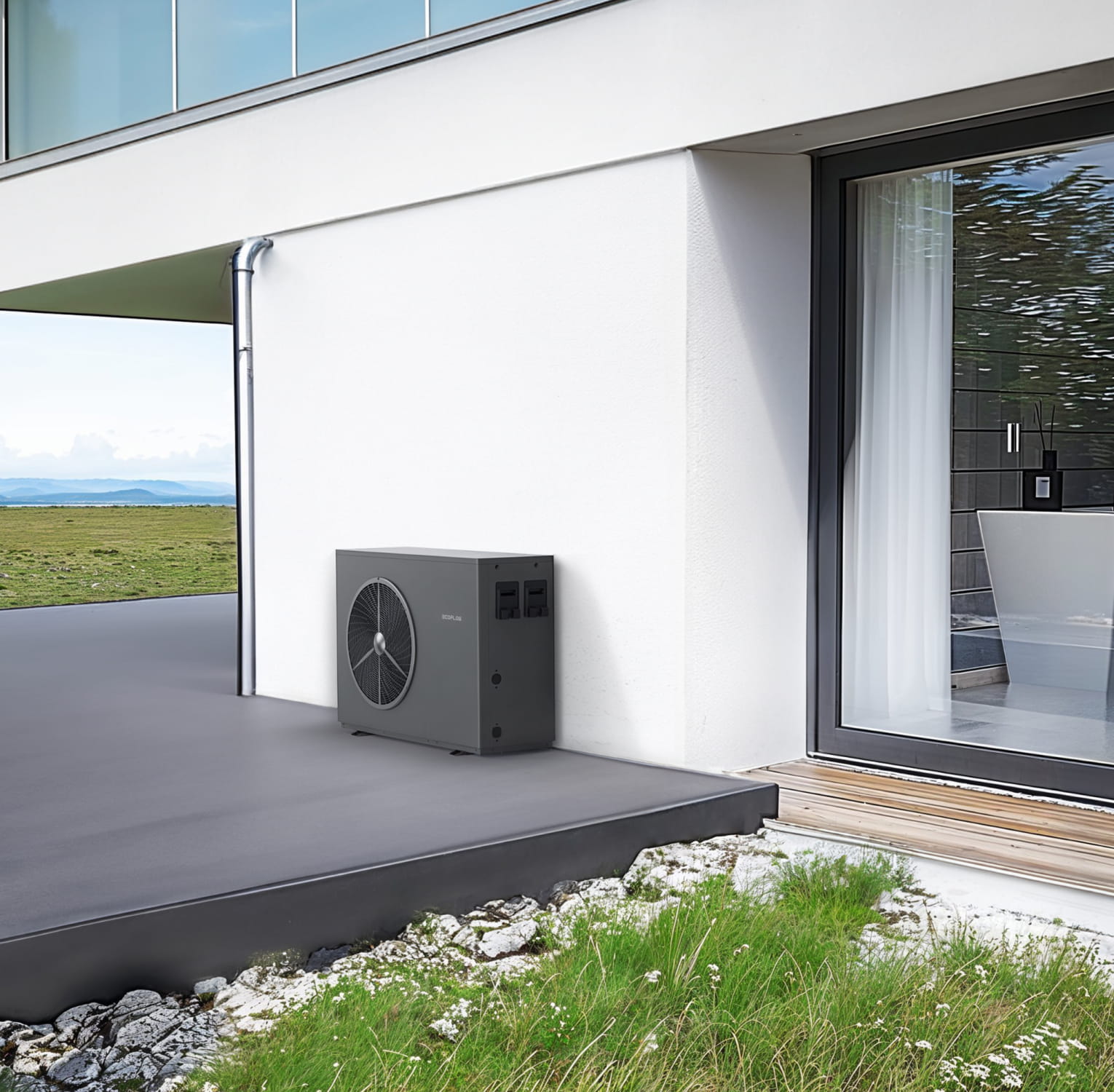
Compared to using underground loops, an air-to-water heat pump like EcoFlow PowerHeat makes use of ambient air, which is easier to acquire. This type of heat pump also has lower installation complexity, resulting in quicker installation time. AWHPs are better suited for typical UK homes that lack wide land areas. Lastly, modern heat pump COP and seasonal performance are now rivaling those of GSHPs.
EcoFlow PowerHeat: A Practical Alternative for UK Homes
High Seasonal Performance With Inverter Control
PowerHeat is a smart heat pump system has an integrated inverter control that provides high seasonal performance. This heat pump uses a variable-speed inverter that maintains a stable temperature. This means you can avoid cycling losses, which is similar to the operating principle of premium GSHP systems, making it a practical alternative. Due to the variable speeds and efficient performance, it delivers high COP across seasons and is optimized for the UK climate.
Designed for Solar-Powered Heating
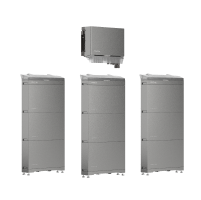
Aside from high seasonal performance, PowerHeat is compatible with solar and battery storage systems. In fact, PowerHeat easily integrates with EcoFlow PowerOcean, a home energy storage solution. Using a solar and battery system maximizes self-consumption, leading to lower electricity costs and reducing reliance on the grid, which has volatile prices.
R290 Natural Refrigerant for Higher Efficiency and Low GWP (Global Warming Potential)
Refrigerant choice is important to make sure your heat pump runs efficiently. PowerHeat makes use of R290 refrigerant, which offers superior thermodynamic efficiency in low-temperature heating. GSHPs benefit from the stable temperatures found underground.
The R290 narrows that gap for air-to-water systems. This type of refrigerant has an ultra-low GWP (<20) compared to legacy refrigerants. It also contributes to an A+++ energy rating and aligns with UK environmental goals for refrigerant regulation future-proofing.
Comfort Optimized: Constant System Temperature
Constant system temperature features allow for optimized comfort, whatever the climate is. Precise modulation prevents temperature fluctuations during seasonal transitions. This feature will allow you and your family to stay comfortable inside your home. The quiet operation modes of PowerHeat are a perfect fit for dense urban living, as this product won’t disrupt you or your neighbors. Lastly, it provides a comfortable heating curve performance when used.
Fast Installation With Existing Home Compatibility
Another great benefit of installing PowerHeat is that, unlike GSHPs, no excavations or boreholes are needed. It also works with existing radiator infrastructure. It also causes minimal home disruption compared to week-long GSHP groundworks. Lastly, for UK users, the single-phase option is great for domestic supply, and add the 3-phase option for better performance.
Smart Energy Management and Whole-Home Visibility
PowerHeat can also be integrated into a single ecosystem that includes a solar system, battery, and app for controls. When using the EcoFlow’s HEMS, you can get real-time heat output and energy consumption data.
Using PowerInsight 2 will also allow you to perform temperature zoning and conduct programmable schedules. What’s great about having a single system is that you can make remote adjustments and automation parameters. In comparison, a GSHP does not inherently give you a unified energy-control ecosystem.
Designed for Future-Ready Home Energy Systems
Lastly, PowerHeat is compatible with decarbonized, electric-first home strategies. What’s also great is that it is scalable to your evolving energy needs. These include using a home energy storage or installing an EV charger like PowerPulse 2. Lastly, you can pair it with a smart immersion heater for hot water efficiency.
Cost Comparison: Ground Source Heat Pumps vs PowerHeat
Here is a cost comparison between ground source heat pumps vs. the PowerHeat.
| Category | Ground Source Heat Pump | EcoFlow PowerHeat |
|---|---|---|
| Typical upfront cost | £18,000 to £45,000+ | Significantly lower installation cost |
| Installation time | Weeks / major ground works | Faster, minimal disruption |
| Space needed | Large outdoor land | Compact, no trenching |
| Best for | New builds, large plots | Most UK homes, including retrofits |
| Efficiency | Very high | Comparable with solar + inverter tech |
Schedule Your Free Consultation Today!
What kind of product or solution are you interested in?
Air-source heat pumps are more residential-ready than ground source heat pumps
EcoFlow’s PowerHeat has several key advantages over GSHPs, like cheaper installation, less land area requirements, and smart system compatibility. This system aligns with UK decarbonization and affordability goals. Request a consultation with EcoFlow today to learn more about suitability guidelines.
FAQ
Is a heat pump a geothermal system?
Yes, there is a specific type of heat pump that makes use of geothermal energy. Geothermal heat pumps make use of the consistent temperature that is present underneath the earth. This is how a geothermal heat pump gets its source of energy.
What are the benefits of a geothermal heat pump?
When using a geothermal heat pump, you’ll be able to work with a quieter heat pump that provides a consistent source of energy that helps transfer heat into a source. It also requires less maintenance, allowing you to save on fees.
What are the downsides of a ground source heat pump?
A ground source heat pump can be costly due to processes such as digging, the cost of the unit, service fees, and getting permits. A GSHP will also require you to have enough land to have the pump installed on your property.

