
How Much Does a Heat Pump Cost for 100m² in the UK?
If you’re living in a typical UK three-bedroom semi or a spacious terrace of about 100m², you’ve likely noticed the shift toward greener home heating. With gas boilers slowly becoming a thing of the past, heat pumps are the go-to solution for sustainable warmth. However, the "sticker price" can be confusing. In this guide, we’ll break down the real-world costs of installing a heat pump in 2026, explore how government grants slash those prices, and show you how to keep your monthly running costs as low as possible.
What Is the True Price Range for a 100m² Home?
When budgeting for a 100m² property, the total project cost typically lands between £8,000 and £14,000 before any subsidies. This range covers everything from the unit itself to the specialist labour required to get it up and running.
1. 5kW to 7kW System Pricing
For a well-insulated 100m² home, a 5kW to 7kW heat pump is usually the "sweet spot." These units generally cost between £3,000 and £6,000 for the hardware alone. Buying a unit that is too large will waste energy, while one that is too small will struggle during those damp British winters. To understand the mechanics behind this sizing, you can learn more about how heat pumps work.
2. Net Cost After the £7,500 Grant
The good news is that the UK government’s Boiler Upgrade Scheme (BUS) remains a game-changer. With a £7,500 voucher available to most homeowners, your "out-of-pocket" cost could drop significantly. For many, the final bill for a standard installation ends up being between £1,500 and £5,000, often comparable to or even cheaper than a high-end combi-boiler replacement.
3. Monobloc vs. Split System Costs
Monoblocs are cheaper and easier to install because all components are in one outdoor unit.
Split systems involve an indoor and outdoor unit, which costs about £1,000–£2,000 more in labour but offers better efficiency if your outdoor space is limited.
4. Installation and Electrical Labour Fees
Don’t forget the human element. Specialist MCS-certified installers charge roughly £2,000 to £4,000 for the setup. This includes the plumbing work, refrigerant pipework, and the commissioning of the system to ensure it meets UK building regulations.
Which Technical Factors Impact Your Final Quote?
Every UK home is unique, and "hidden" factors can often nudge your quote up or down. It’s rarely just about swapping one box for another.
1. The Hidden Plumbing Cost
Heat pumps run at lower temperatures than gas boilers. To keep your 100m² home cosy, you might need larger radiators or "low-loss headers." Replacing 3–5 radiators can add £500 to £1,500 to your initial estimate.
2. Insulation and Heat Loss Costs
Before an installer signs off, they’ll perform a heat loss calculation. If your loft insulation or cavity walls aren't up to scratch, you’ll spend more on a larger heat pump. Investing in insulation first is almost always cheaper than buying a more powerful machine. Investing in insulation first is usually the most cost-effective way to make your home more energy-efficient.
3. Equipment Size and Indoor Space Needs
You’ll need space for a hot water cylinder if you don’t already have one. If your 100m² layout is tight, you might need a "slimline" cylinder or a specific configuration, which can carry a small premium.
4. Wiring and Fuse Box Fees
Modern heat pumps have significant electrical draws. If your home has an older consumer unit (fuse box), an upgrade might be necessary to handle the new load, typically costing between £300 and £600.
How Can You Lower the Long-Term Running Costs?
Once the unit is installed, the goal shifts to efficiency. In the UK’s evolving energy market, being "smart" with your electricity usage is the best way to see a return on your investment.
1. Maximizing Efficiency with A+++ Rated Equipment
Always check the SCOP (Seasonal Coefficient of Performance), which is a measure of how efficiently a heat pump converts electricity into heat. For example, a SCOP of 4 means that 1 kWh of electricity produces 4 kWh of heat. An A+++ rated unit can deliver 3–4 units of heat for every 1 unit of electricity it uses, which can reduce your heating costs by around 75% compared to standard electric radiators.
2. Shifting Loads to Beat Time-of-Use Tariffs
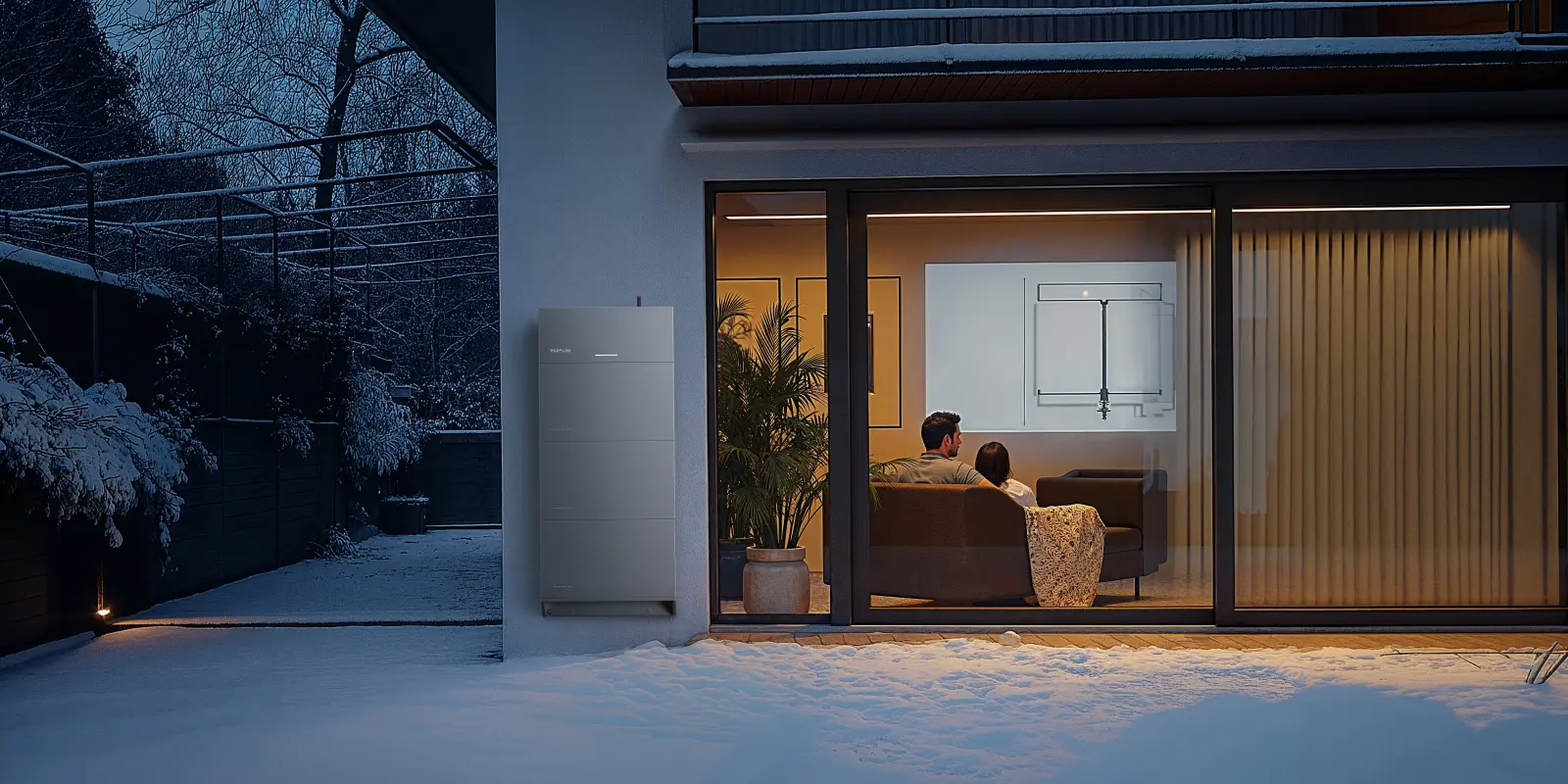
The UK energy market is shifting toward dynamic pricing, such as Agile Octopus, where electricity prices fluctuate wildly throughout the day. This is where the EcoFlow PowerOcean Storage System becomes a "secret weapon."
During the early hours when prices hit rock bottom, the EcoFlow PowerOcean (Single Phase) automatically stores energy. When peak time hits in the evening and prices soar, the system prioritises using that stored battery power to run your heat pump. This "peak shaving" strategy allows 100m² homeowners to bypass expensive rate windows and slash their monthly bills.
3. Integrating Solar Power for Direct Heating
When choosing a system, "energy orchestration" is often more important than the hardware specs. The EcoFlow PowerHeat shines here because of its native ecosystem design.
Unlike standalone units, PowerHeat breaks down the barriers between your heat pump and other home energy devices. It uses a "solar-thermal synergy" logic, automatically optimising its run-time based on your real-time solar generation. For a 100m² home, this provides an all-in-one heating foundation that requires no expensive retrofitting later.
4. Reducing Waste with Weather Compensation Technology
Most modern systems now use an outdoor sensor to adjust the water temperature inside your radiators based on the weather. If it’s a mild British autumn day, the pump works less; if there's a frost, it ramps up. This prevents "cycling" and extends the life of your equipment.

How to Get Started and Make the Right Choice?
Ready to make the jump? To get the best value for your 100m² property, follow these four streamlined steps before signing on the dotted line.
1. Request a Professional Site Assessment
While an online estimate is a good start, an on-site survey is essential. A qualified engineer must physically inspect your pipework diameter and "thermal envelope." This ensures your system isn't just a best guess, preventing common heat pump system troubleshooting issues later on.
2. Analyse and Compare Your Detailed Quotes
Don’t just hunt for the lowest price. Ensure every installer is MCS-certified—a legal must for claiming government grants—and that they handle the paperwork for you. Look for a "room-by-room" heat loss breakdown; if a quote is suspiciously cheap, they might be skipping vital components like buffer tanks or high-efficiency pumps.
3. Ask About Solar and Battery Compatibility
In 2026, your heating should be "smart." Ask if the heat pump is SG Ready or compatible with advanced ecosystems. This connectivity allows your home to "pre-heat" during off-peak hours or when your solar panels are soaking up the sun, turning your heat pump from a standard appliance into a high-performance energy saver.
4. Lock in the Grant and Confirm Your Dates
The £7,500 BUS grant is a generous but finite resource. Once you’ve picked your installer, have them secure your voucher immediately. With 100m² homes being the most common in the UK, installer calendars fill up fast—confirming your installation window in writing now ensures you aren't left waiting when the temperatures drop.
Schedule Your Free Consultation Today!
What kind of product or solution are you interested in?
Conclusion
Transitioning a 100m² UK home to a heat pump is an investment in both your property value and the planet. While the upfront costs can seem daunting, the combination of the £7,500 government grant and smart home battery storage solutions like the EcoFlow PowerOcean makes it more affordable than ever. By integrating solar and battery storage, you aren't just changing your heater—you're taking control of your entire energy future.
FAQ
1. Is It Worth Getting a Heat Pump in the UK?
Yes, especially with the £7,500 grant and the rise of smart tariffs which make running costs lower than gas. It also increases your home's EPC rating, which is becoming increasingly important for property value.
2. Why Does My Heating Not Reach the Set Temperature?
This is usually due to an undersized heat pump or radiators that are too small to emit heat at lower flow temperatures. A proper heat loss calculation during installation prevents this issue.
3. Can a Heat Pump Work With My Existing Radiators and Pipework?
In many cases, yes, but you may need to upgrade a few key radiators to larger "Type 22" or "Type 33" models to maintain warmth. Your installer will check your pipe diameter to ensure it can handle the flow rate.
4. How Often Does a Heat Pump Have to Be Serviced?
A heat pump should be serviced once a year to maintain its warranty and ensure peak efficiency. The service is generally simpler than a gas boiler service, focusing on cleaning filters and checking refrigerant levels.
5. What Is the Typical Return on Investment for a Heat Pump in 2026?
Most homeowners see a return on investment within 5 to 8 years when combining the BUS grant with solar-battery integration. As gas prices remain volatile, the "break-even" point continues to arrive sooner.

