
Ground Source Heat Pump Cost in the UK: A 2026 Price Breakdown
Thinking about making the big switch to greener heating? You’re certainly not alone. As we navigate through 2026, more British homeowners than ever are looking at ground source heat pumps (GSHPs) as the gold standard for home heating. While the initial investment can feel a bit daunting, understanding the long-term savings and current market rates is key. In this guide, we’ll break down the latest costs, from installation fees to daily running expenses, and show you how smart tech like EcoFlow can help you slash those monthly bills.
How Much Will a Ground Source Heat Pump Cost You in 2026?
Starting the journey toward a fossil-fuel-free home begins with a clear look at the numbers. Based on current installer quotes across the UK and broader market trends heading into 2026, prices have stabilised somewhat since the early 2020s. However, a ground source system remains a premium choice due to the complex engineering involved.
1. Typical Price Ranges for UK Homes
The following cost ranges reflect typical pricing for a standard three-bedroom UK home, based on recent installer estimates and prevailing market conditions.
| Cost Item | Typical Cost (2026) | After Grant |
|---|---|---|
| Heat pump unit | £7,000–£12,000 | - |
| Groundworks & drilling | £4,000–£10,000 | - |
| Installation & commissioning | £3,000–£5,000 | - |
| Total | £14,000–£25,000 | £7,000–£15,000 |
For a standard three-bedroom semi-detached house in the UK, the total project cost usually falls between £14,000 and £25,000, depending on whether you opt for horizontal ground loops or vertical boreholes.
2. Average Costs for Heat Pump Units
The unit itself—the "fridge in reverse" that sits inside your plant room—typically costs between £7,000 and £12,000. High-efficiency models that play nicely with smart home ecosystems are currently the most popular choice for Brits looking to future-proof their properties.
3. Labor Fees for Ground Loop Excavation
The "ground" part of the name is where much of the budget goes. Expect to pay between £4,000 and £10,000 for the civil works. Whether it’s a digger churning up a trench or a specialist rig drilling deep into the British bedrock, professional labour is a significant, yet vital, investment for a system designed to last 25+ years. Unlike air-source systems, the underground loop is effectively a once-in-a-generation investment, often outliving the heat pump unit itself.
4. Net Costs After Government Grant Deductions
Here’s the good news: the UK government continues to support the transition. With the current Boiler Upgrade Scheme (or its 2026 equivalent), many homeowners can claim a grant of up to £7,500. This can bring your "out-of-pocket" net cost down to a much more manageable £7,000 to £15,000 for many installations.
Why Do Heat Pump Running Costs Vary Daily?
Under typical 2025–2026 UK smart tariff ranges, daily running costs for a ground source heat pump can vary significantly. Unlike a traditional gas boiler with a flat fuel price, heat pump efficiency and electricity costs are far more dynamic. This is often linked to the wider energy market; understanding why UK electricity is so expensive can help homeowners see the value in shifting their usage.
For a typical 3-bed UK home, annual electricity consumption is usually around 3,000–4,500 kWh, depending on insulation levels, household size, and heat loss calculations used by MCS-accredited installers.
In practice, this annual figure breaks down into daily and hourly usage that can swing significantly depending on tariffs, hot water cycles, and how efficiently your home retains heat.
Example: Typical Running Cost for a 3-Bedroom UK Home
A well-insulated three-bedroom home with a ground source heat pump typically uses around 4,000 kWh of electricity per year.
At an average blended electricity price of £0.22 per kWh, this equates to roughly £880 per year in heating and hot water costs.
By shifting a large portion of this usage to off-peak hours and using home battery storage, many households can reduce their effective electricity cost to £550–£650 per year, depending on tariff structure and usage patterns.
1. Hourly Price Changes in Smart Tariffs
In 2026, almost everyone is on a "Time of Use" or smart tariff. This means the price of electricity can swing wildly. On many UK time-of-use tariffs, you might pay around 10p per kWh at 3 AM but see it rise to 30–35p during the "tea-time peak”.
Here’s a simplified example showing how daily usage affects costs:
| Hour | Tariff (£/kWh) | Usage (kWh) | Cost (£) |
|---|---|---|---|
| 3 AM | 0.10 | 2 | 0.20 |
| 6 PM | 0.30 | 3 | 0.90 |
By shifting your heat pump’s electricity consumption to cheaper hours, you can significantly reduce your running costs.
2. Factors Affecting Heat Pump Running Costs
Daily electricity use for a heat pump can fluctuate due to several factors. Morning hot water cycles, especially heating water to 60°C, demand extra energy from the compressor. At the same time, poor home insulation—thin loft layers or draughty windows—forces the system to work harder to maintain a steady temperature. Even small thermostat adjustments can make a noticeable difference: increasing the temperature by just 1°C can raise electricity consumption by 5–10%. By understanding these factors, you can better schedule heating and use a home energy management system(HEMS) to reduce spikes in your bills.
By keeping hot water cycles efficient, improving insulation, and adjusting thermostats smartly, homeowners can avoid unexpected spikes and make the most of their heat pump.
Can You Lower Your Heat Pump Electricity Bills Automatically?
The secret to winning the "heat pump game" isn't just about using less energy—it's about using energy smarter. With the right kit, you can stop worrying about the grid’s peak prices entirely.
1. Store Cheap Off-Peak Electricity Daily
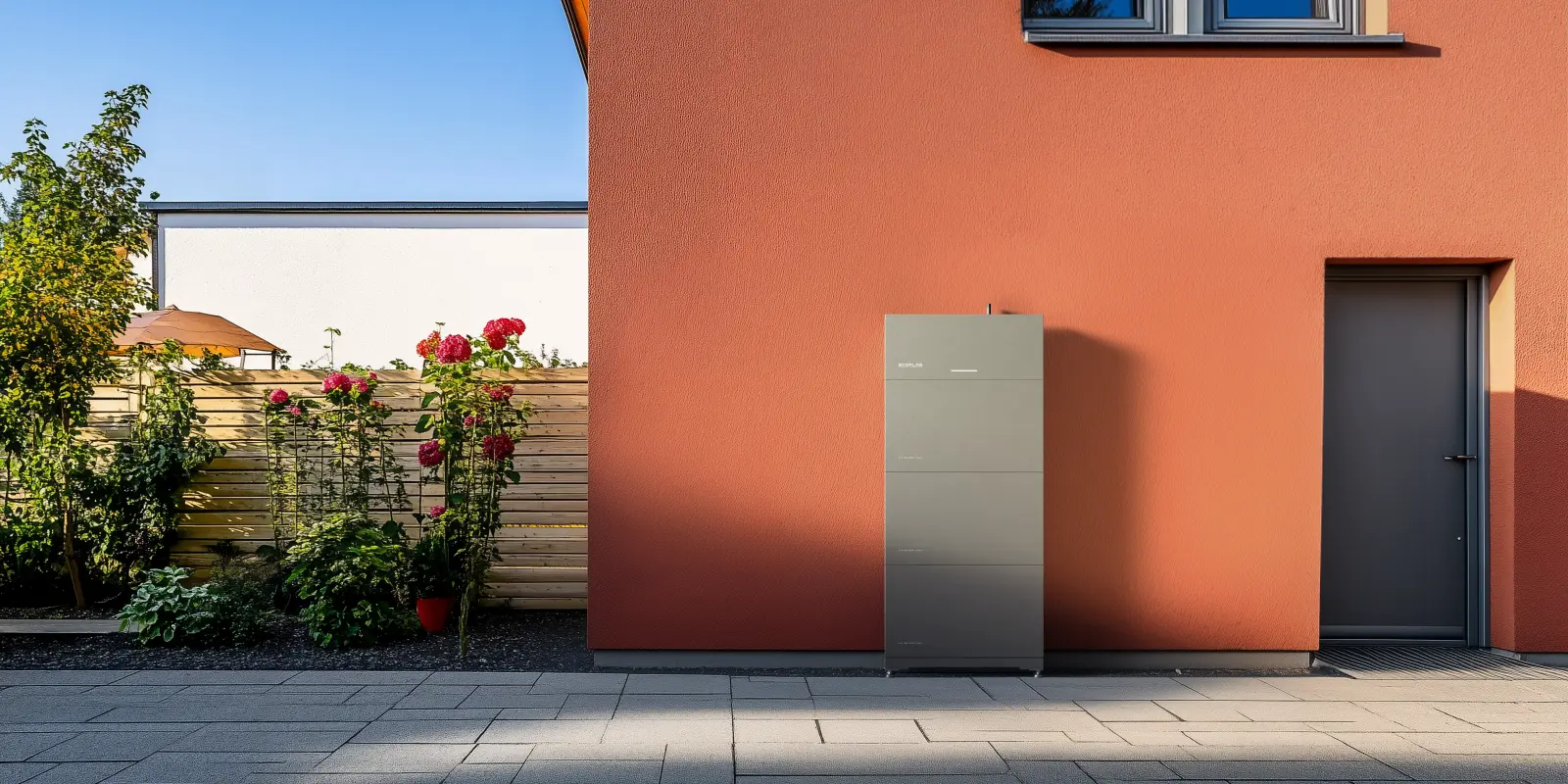
This is where the EcoFlow PowerOcean (Single-Phase) becomes a total game-changer for British homes. In 2026, smart tariffs are the norm, and this approach works particularly well with popular UK time-of-use options such as Octopus Agile, Octopus Intelligent, or traditional Economy 7 tariffs.
The system automatically soaks up cheap electricity from the grid during the middle of the night when prices are at their lowest. When the expensive morning and evening peaks hit, it switches over to stored energy to run your heat pump instead. It can also help smooth demand in areas with local DNO export or connection limits, reducing pressure on the grid during peak hours.
2. Manage Energy Flow in Real-Time
To stop your heat pump from being an "energy black box," you need visibility. The EcoFlow PowerInsight 2 is a sleek smart home energy monitor that lets you see exactly how many kilowatts your pump is pulling every hour. If you tweak the thermostat or run a hot bath, you’ll see the impact instantly on the screen. This real-time feedback empowers you to adjust your heating schedule based on actual data, ensuring you never waste a penny on unnecessary heating.
3. Connect Solar Panels for Free Charging
If you’ve got solar panels on your roof, you’re sitting on a goldmine. By linking them to your home battery system, you can heat your home using "free" energy harvested from the British sun (yes, it does exist!). This reduces your reliance on the grid to near zero during the brighter months.
4. Expand Battery Capacity for Winter Backup
British winters can be unpredictable. The beauty of a modular system is that you can add more storage capacity as you go. Extra battery modules mean you can store even more off-peak power to get you through a week-long cold snap, providing a vital safety net for your home's comfort.

What Are the Practical Steps to Start Your Installation?
Ready to take the plunge? Don't just rush into it; a little bit of "British prep" goes a long way.
1. Book a Professional Home Heat-Loss Survey
Before buying a pump, you need to know exactly how much heat your home loses. A professional surveyor will calculate the "room-by-room" heat loss to ensure your new pump is sized perfectly—not too small to keep you warm, and not too large to be inefficient.
2. Check Garden Access for Drilling Rigs
If you’re going for a ground source system, you’ll need to get some heavy machinery into your garden. Check your side gates and access routes. If a drilling rig can’t get in, you might need to reconsider an air-source alternative or look at different excavation methods.
3. Find a Certified MCS Registered Installer
To qualify for any government grants and to ensure your system is safe, you must use an installer registered with the Microgeneration Certification Scheme (MCS). They are the gold standard for quality assurance in the UK.
4. Secure Your Government Grant Funding Voucher
Don't wait until the job is done to think about the money. Your MCS installer will usually help you apply for the government grant voucher beforehand. Make sure this is in place so the discount can be applied directly to your final invoice.
Schedule Your Free Consultation Today!
What kind of product or solution are you interested in?

Conclusion
Switching to a ground source heat pump in 2026 is a brilliant move for both the planet and your property value. While the upfront costs reflect the high quality of the system, the ability to automate your energy savings makes it more viable than ever. By integrating home battery storage solutions like the EcoFlow PowerOcean, you can effectively bypass high energy prices and enjoy a cosy, carbon-neutral home for decades to come.
FAQ
1. How much does it cost to run a heat pump for 1 hour?
Typically, it costs between 20p and 60p per hour, depending on your electricity tariff and the outside temperature. If you are using stored off-peak energy from a home battery, this cost can drop significantly.
2. How long until a heat pump pays for itself?
Typically 10–15 years, or closer to 8–12 years when paired with grants, smart tariffs, and home battery storage.
3. Why is my house so cold with a heat pump?
It is likely due to improper insulation or incorrect flow temperatures. Heat pumps provide a steady, consistent heat rather than the "quick blast" of a gas boiler, so they require a well-insulated home to work effectively.
4. Should a heat pump run constantly in winter?
Yes, it is generally more efficient to leave a heat pump running at a lower, steady temperature rather than turning it on and off. This avoids the energy-intensive "startup" phase and maintains a comfortable "base" heat in your floors and walls.
5. Does a ground source heat pump increase property value in UK?
Absolutely. A ground source heat pump can significantly improve your EPC rating, which is increasingly important under future UK energy regulations.
As energy efficiency becomes a bigger factor for buyers, a GSHP is widely seen as a premium, low-carbon feature that can make a home more attractive in the competitive UK property market and help protect long-term resale value.

