
Home Electrical Safety Check: What's Included & Why It Matters
Electricity powers every modern home, from lighting to appliances and smart devices. Faulty wiring, overloaded circuits, or outdated systems can pose serious hazards. Regular electrical safety checks, including assessments of solar battery storage systems, help detect hidden issues—like damaged wiring or unsafe outlets—before they cause fires, shocks, or appliance damage. This guide explains what an electrical safety check involves, when to schedule it, and why it's essential for protecting your home, family, and renewable energy systems.
What is an electrical safety check?
An electrical safety check (or inspection) is a professional assessment of a property's electrical system to ensure it is safe, properly installed, and functioning as intended. A qualified electrician examines key components such as wiring, circuits, outlets, switches, and the consumer unit (fuse box) to identify potential hazards. The main goal is to detect issues like damaged wiring, overloaded circuits, or outdated installations before they lead to risks such as electric shocks, fires, or equipment damage.
In the UK, these checks follow strict national safety standards. After the inspection, you'll typically receive an Electrical Installation Condition Report (EICR), outlining the system's condition and any required repairs or improvements. Regular checks help keep your electrical system safe, reliable, and compliant with current regulations.
When do you need an electrical safety check?
Regular electrical safety checks help to ensure that your property's electrical system is safe and compliant with modern standards. While some inspections are suggested as part of routine maintenance, there are certain conditions in which a home electrical safety check holds great importance.
For homeowners: Periodic checks help ensure safety and reliability. Over time, wiring can deteriorate, and older systems may struggle with modern electrical demands. Many experts recommend inspections every 10 years, or sooner, for older properties.
For landlords: Electrical safety checks are often a legal requirement. In the UK, rental properties must be inspected at least every five years, with an Electrical Installation Condition Report (EICR) provided to tenants.
Holiday homes: Checks are important for properties left unoccupied for long periods or rented seasonally, where issues may go unnoticed.
When buying or selling a property: Inspections help buyers confirm the system is safe and up to date, while sellers can identify and fix issues early to avoid delays.
After renovations or upgrades: Major changes, such as new appliances or added circuits, can increase system load. A safety check ensures everything is properly installed and integrated.
Warning signs: Frequent breaker trips, flickering lights, burning smells, buzzing panels, or warm sockets indicate potential issues. A prompt safety check can prevent more serious hazards.
What does an electrical safety check cover?
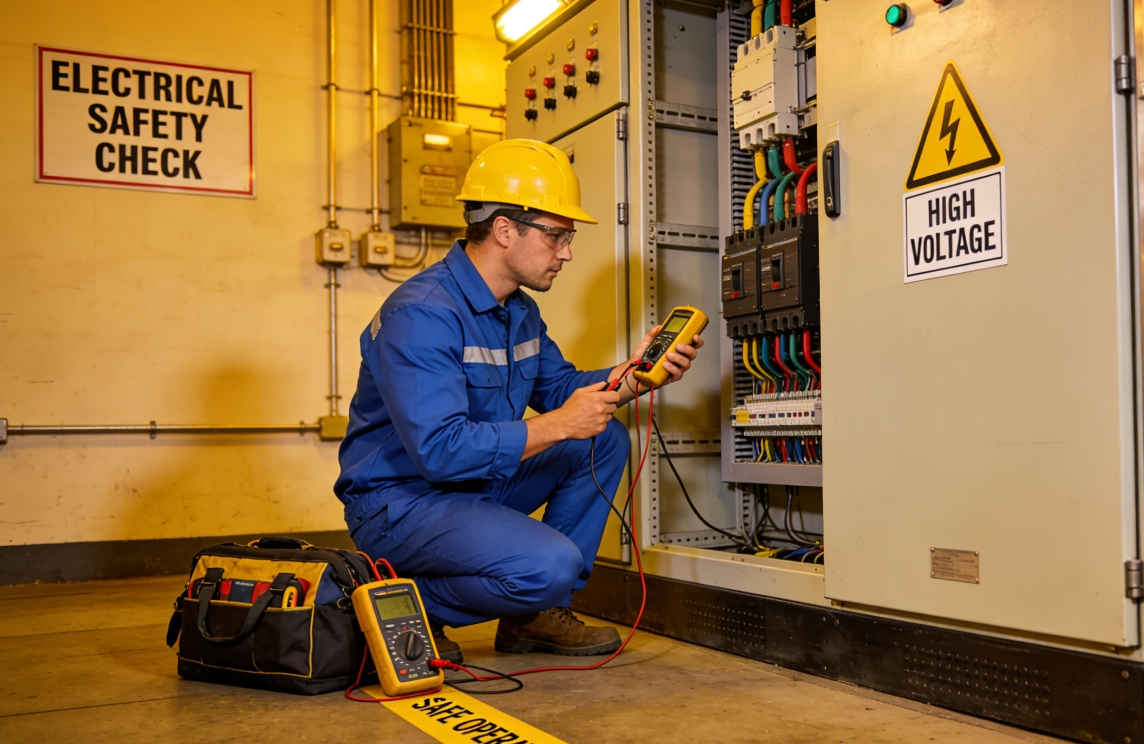
An electrical safety check by a professional examines some of the major elements of the electrical system on a property, enabling verification that all aspects are working safely and effectively. When inspecting, an electrician examines any kind of wear, damage, installations that are improperly installed installations, and potential safety hazards. It is good to know what an electrical safety check entails, in order to have the knowledge of what is going on in the system during the check-up for homeowners and landlords.
Component | What is checked | Why it matters |
|---|---|---|
Wiring and cables | Condition of visible wiring and cables, looking for damage, wear, or overheating | Faulty or outdated wiring increases the risk of electrical fires and system failures, especially in older homes |
Consumer unit (fuse box) | Circuit breakers, safety devices, and compliance with current standards | Ensures circuits are properly protected and reduces the risk of faults or overloads |
Outlets and switches | Installation quality, loose connections, damage, or overheating | Prevents hazards like electric shocks, short circuits, and fire risks |
Earthing and bonding | Proper grounding and bonding connections | Safely redirects electrical faults, protecting people and appliances from electric shock |
Circuit load capacity | Overall system load and risk of overloaded circuits | Helps avoid overheating, frequent breaker trips, and potential electrical hazards |
Managing electrical load and safety in modern homes
Modern homes use more electrical devices than ever—from kitchen appliances and entertainment systems to EV chargers and smart home technology. As demand increases, managing electrical load becomes essential for both safety and efficiency. Alongside regular safety checks, proper load control helps prevent overloaded circuits and unnecessary strain on the system.
Why does electrical load management matter for home safety?
Electrical load management refers to balancing electricity use across circuits. When too many devices are connected to one circuit, it can lead to overheating, tripped breakers, or wiring damage.
During a home electrical safety check, electricians assess whether the system can handle current power demands. Older homes, in particular, may not be designed for modern, high-powered usage such as home offices, appliances, and smart devices.
Effective load management not only reduces electrical risks but also improves energy efficiency, ensuring a safer and more reliable system.
Enhance home electrical safety with smart energy management
An electrical safety check doesn't just identify faults—it also evaluates whether your home can safely handle modern power demand. Systems like the EcoFlow home energy storage system directly address the most common inspection risks: overloaded circuits, unstable power distribution, and lack of backup protection.
Store and balance your home's power: EcoFlow Ocean 2
EcoFlow OCEAN 2 (three-phase) is a home battery that stores energy and shares it wisely across your home. During an electrical safety check, electricians often find that circuits are overloaded, especially in busy households. PowerOcean 2 reduces that risk by balancing power, keeping lights, appliances, and devices running safely. Its fire-safe LFP battery and built-in protection make it a secure choice, even for high-demand homes.
Why EcoFlow Ocean 2 is great:
High power output: Up to 12 kW, powering multiple high-demand appliances at once
Large solar input: Supports up to 24 kW of solar energy for faster, more efficient charging
Expandable storage: Each module provides 5 kWh, expandable up to ~60 kWh for longer backup times
Reliable backup: Instant whole-home backup with 0 ms switchover, no interruptions
Durable & weatherproof: IP66 rating protects against dust and water
Long-term warranty: 15-year warranty for peace of mind
Take the next step in safeguarding your home's electricity. Get your solar battery quote, and our specialists will craft a setup that fits your energy needs and lifestyle.

Monitor and control your electricity: EcoFlow Intelligent HEMS
EcoFlow Intelligent HEMS works with EcoFlow Ocean 2 to make energy use smarter. It shows exactly how your home uses electricity, warns you about overloaded circuits, and helps balance energy across rooms and devices. With HEMS, an electrical safety check isn't just a one-time inspection—it becomes part of a system that keeps your home safe every day.
Why HEMS helps:
See real-time usage: Know how much electricity your home uses.
Prevent overloads: Balances circuits to stop breakers from tripping.
Optimise energy: Use electricity smarter, like shifting heavy use to off-peak hours.
Early warnings: Alerts you if something unusual happens.
Together, Ocean 2 and Intelligent HEMS turn a simple electrical safety check into a continuous protection system, keeping your home safe, energy-efficient, and ready for modern life.

How are electrical safety checks carried out?
An electrical safety check is a professional inspection and testing of a property's electrical system to identify hazards, ensure compliance with safety standards, and verify that everything works correctly. The process is carried out by a certified electrician and generally includes visual inspections, circuit testing, earthing checks, and safety device tests.
Step 1: Visual inspection: The electrician examines visible wiring, outlets, switches, and the consumer unit for signs of damage, overheating, or poor installation.
Step 2: Circuit and wiring testing: Technical tests are conducted to ensure wiring is properly connected, insulated, and can safely carry electricity. Specialized equipment is used to detect hidden faults.
Step 3: Earthing and bonding: Electricians check that earthing and bonding systems are correctly installed to prevent electric shocks and safely redirect faults.
Step 4: Testing safety devices: Residual Current Devices (RCDs) and circuit breakers are tested to ensure they operate correctly and cut off power in case of a fault.
Step 5: Issuing an Inspection Report (EICR): After inspection, an Electrical Installation Condition Report (EICR) is issued. It documents the system's condition, identifies problems, and recommends remedies. Landlords or homeowners can use this report as proof of a proper electrical check.
Legal requirements and electrical safety standards
Electrical systems must meet safety standards to protect property and occupants. Routine inspections help maintain compliance and reduce the risk of fire or electric shock. In the UK, electrical installations must follow BS 7671 Wiring Regulations, which set standards for safe design, installation, and inspection.
For landlords, inspections are legally required under the Electrical Safety Standards in the Private Rented Sector Regulations 2020. Landlords must carry out checks at least every five years and provide tenants with an EICR confirming the system is safe.
Homeowners are not legally required to inspect regularly, but experts recommend a safety check every 10 years or when moving into a new property. These measures ensure electrical installations remain safe and compliant over time.
How much does an electrical safety check cost?
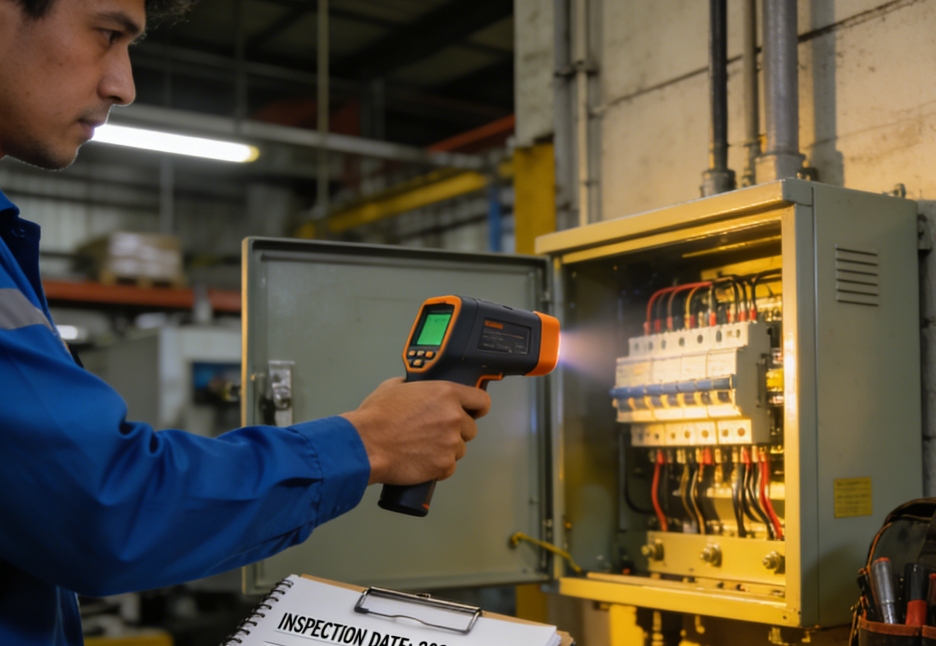
The cost of an electrical safety check varies depending on factors like property size, number of circuits, location, system complexity, and the age of the installation. Some energy providers or local initiatives may even offer free checks for vulnerable households or older properties.
Factors affecting cost:
Property size: Larger homes take longer to inspect, increasing cost.
Number of circuits: More circuits require more tests, raising the price.
Location: Labour rates differ by region.
System complexity: Smart homes, EV chargers, or solar setups may need more detailed testing.
Age of installation: Older wiring and fuse boxes require more careful inspection.
Typical price ranges:
Small apartment: £80–£150
Average house: £150–£300
Large property: £300–£500+
The best way to know the exact cost is to request a professional quote for your property.
Risks of skipping an electrical safety check
Skipping regular electrical inspections can lead to serious safety and financial risks. Hidden faults may develop over time and remain unnoticed until they cause major issues.
Key risks:
Electrical fires: Faulty wiring, overloaded circuits, or damaged parts can start fires. Regular checks detect hazards early.
Electric shocks: Poor earthing, broken cables, or faulty sockets can endanger occupants. Inspections verify protective systems like earthing and bonding.
Appliance damage: Unstable or overloaded circuits can harm electronics and appliances. Checks help maintain safe voltage and connections.
Insurance issues: Without proof of regular maintenance, claims for electrical damage or fire may be denied.
Hidden wiring failures: Many faults are concealed inside walls. Professional checks detect these before they cause outages, overheating, or other dangers.
What to do after an electrical safety check?
Once an electrical safety check has been completed, the Electrical Installation Condition Report (EICR) will normally be issued by the electrician. This report gives a description of the state of your electrical system and the problems identified during the electricity safety check.
Should the report show that the report has faults or even safety concerns, then one should schedule the recommended repairs with a qualified electrician. The repair of defects, broken wires, broken outlets, or old parts would contribute to the safety of the system.
The report should also be copied to be stored away as a reference in the future, especially where you are a landlord who may be called upon to produce evidence of conduct tests regularly. Lastly, do not forget to book your next electrical safety check at the most optimal time at home as a way of ensuring constant electrical safety.
Conclusion
The periodic electrical check-up is a significant measure towards safe and reliable electrical system maintenance on any property. Such checks assist in determining, before it becomes dangerous, that there was a problem with improper wiring, over-circuiting, or old electrical parts. As a homeowner, landlord, or the buyer of a property, it is important to note that having routine electrical safety checks will help to maintain your electrical installation being safe, efficient, and meet the standards of the existing standards. With the knowledge of what an electrical safety check entails and when it is necessary, you would be able to safeguard your property, appliances, and those residing in your home better.
FAQs
1. How often should an electrical safety check be done?
For homeowners, it's recommended to have a check every 10 years. Rental properties should be inspected at least every 5 years or when a new tenant moves in. If your home is older or has many high-powered appliances, consider scheduling inspections sooner. Regular checks help prevent hazards before they become dangerous.
2. How long does an electrical safety inspection take?
A typical inspection takes 2–4 hours, depending on property size and the number of circuits. Larger homes, complex wiring, or additional systems like EV chargers or solar batteries may extend the duration. Planning ahead and clearing access to sockets and panels can make the inspection faster and smoother.
3. Is an electrical safety check mandatory for landlords?
Yes. In the UK, landlords must conduct an electrical safety check every five years and provide tenants with an Electrical Installation Condition Report (EICR). Even if it's not mandatory for homeowners, regular inspections protect your family, prevent damage, and may reduce insurance issues.
4. What happens if my property fails the inspection?
The electrician will list all issues in the report and suggest remedies. Common problems include faulty wiring, overloaded circuits, or outdated outlets. Fixing them promptly ensures your home is safe, prevents electrical fires, and keeps your system compliant with legal standards.
5. How much should an electrical safety check cost?
Costs vary based on property size, circuits, and system complexity. Typical ranges:
Small apartment: £80–£150
Average house: £150–£300
Large property: £300–£500+
Tip: Ask for a quote in advance and check if your provider offers bundled services, like combining the check with solar battery or smart home inspections, which can save time and money.

