
Electric Car Charger for Home: Smart Charging Options and Benefits
Switching to an electric car is a great step, but you really start to see the benefits once you stop depending on public rapid chargers and get set up at home. In this guide, we’ll run through the basics of home charging and the smart tech that can save you a fair bit on your energy bills. We’ll also look at how the right hardware can turn your driveway into a mini charging station and make range anxiety a thing of the past.
Understanding Home EV Charging
Before we talk hardware, let’s get a proper handle on what home charging actually means for the average UK household.
1. What is a Home EV Charger?
Essentially, a wallbox is a dedicated, high-safety outlet for your EV. While a standard three-pin plug isn't really up to the task of constant high-power charging, these units are designed for the job—getting your car topped up safely and far quicker than a basic mains socket ever could.
2. How Home Charging Works
The way it works is actually quite simple: the charger takes alternating current (AC) from your home’s power and hands it over to the car. Your EV then turns this into direct current (DC) to store in the battery—a seamless 'plug-and-forget' system that fits into your routine with zero hassle.
3. Common Types of Home EV Chargers in the UK
A 7kW “fast” charger with a Type 2 connector is what most homeowners opt for. You can choose between a tethered unit with a fixed cable or an untethered socket that uses your own. For the average EV, it’s generally ideal for overnight charging — fast enough, safe, and suited to everyday home electrics.
Chargers up to 22kW are available, but they’re mostly for properties with three-phase power. For most driveways, a 7kW smart charger is the sensible middle ground.
Benefits of Installing a Home EV Charger
Beyond avoiding queues at the local petrol station, installing a dedicated electric car charger for home delivers real benefits when it comes to running costs and peace of mind.
1. Convenience and Time Savings
There’s a real comfort in starting each day with a “full tank”. Charging while you sleep removes the need to visit public chargers, giving you back precious time for your morning brew or the school run.
2. Cost Efficiency and Smart Tariffs
Charging at home is a no-brainer for your wallet compared to using motorway chargers. If you get yourself on a 'time-of-use' tariff, such as the Economy 7 tariff, you can take advantage of super-cheap electricity in the early hours. It’s basically like getting a massive discount on your fuel every single night.
3. Battery Health and Longevity
Constantly hammering those ultra-fast public chargers can, over time, take its toll on your battery. Sticking to slower AC charging at home is much kinder to the cells, helping you look after your car’s range and overall health for the long run.
4. Environmental Impact
Charging at home gives you more control over your electricity. If you’re on a green tariff or have solar panels, you’re effectively running your car on renewable energy, which does wonders for your carbon footprint.
How to Choose the Right Smart EV Charger
There’s a lot of choice out there, so choosing the right charger is all about the specs that ensure you don't get caught out as tech moves on.
1. Power Rating and Charging Speed
Getting the right power rating is key to how long your car takes to recharge overnight:
| Charger Power | Typical Range Added per Hour | Overnight Charge Time | Estimated Cost (UK) |
|---|---|---|---|
| 3kW (Slow / Standard Plug) | ~10 miles | 10–12 hours | £1.50 – £2.00 |
| 7kW (Fast / Home Wallbox) | 25–30 miles | 4–6 hours | £3.00 – £4.00 |
| 22kW (Rapid / Three-Phase) | 70+ miles | 1–2 hours | £9.00+ |
A 7kW unit is the standard choice for a reason—it’s fast, safe, and fits the single-phase supply found in most UK homes. 22kW chargers are a different beast entirely, requiring three-phase wiring that usually makes the installation prohibitively expensive for most people.
Tip: Charging overnight on an off-peak tariff can bring costs down by up to 50%, making a 7kW charger a smart and economical option for day-to-day driving.
2. Smart Features to Look For
While a basic charger simply provides power, a smart charger offers extra control. Features to look for include app access, remote locking to prevent unauthorised use, and tools to monitor charging costs. Many of these units now integrate into a wider Home energy management system, allowing you to track your EV's consumption alongside your other household appliances for total transparency.
3. Compatibility with EV Models
Thankfully, Type 2 is now the standard across the UK. So whether you’re driving a Tesla, a Kia or a VW, a modern Type 2 wallbox will do the job just fine.
How to Optimise Home EV Charging
Getting the charger installed is just the first step; the real pro-move is managing that energy intelligently to keep costs low and your grid stable.
1. Smart Charging Schedules
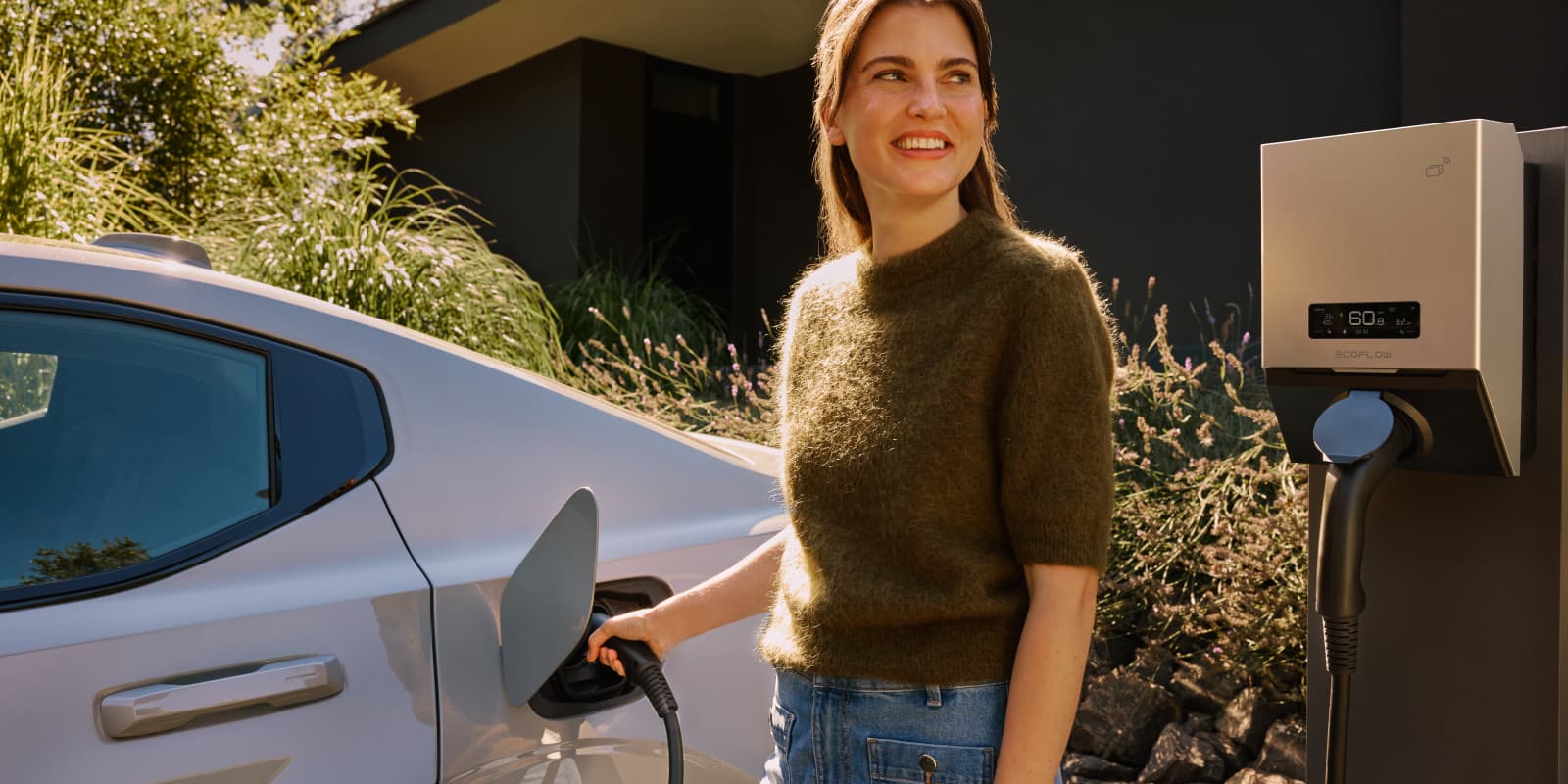
The key to cutting charging costs is all about timing. UK "Time-of-Use" tariffs can vary hugely, with electricity in the small hours often far cheaper than during the evening peak. This is where the EcoFlow PowerPulse 2 really comes into its own. Its smart mode syncs with real-time electricity market prices, automatically charging during those cheaper windows. With a 7kW output, it delivers a full overnight charge at the lowest possible cost — no effort required.
2. Power Supply and Load Management
When you’re drawing a lot of power, keeping things stable is important. Plenty of older British homes weren’t built for EV chargers and heat pumps, and using everything at once can risk blowing a fuse. Smart chargers get around this with load balancing, which keeps an eye on total usage and slows the car’s charge if the shower or oven kicks in.
3. Using Home Energy Systems to Improve Charging Stability
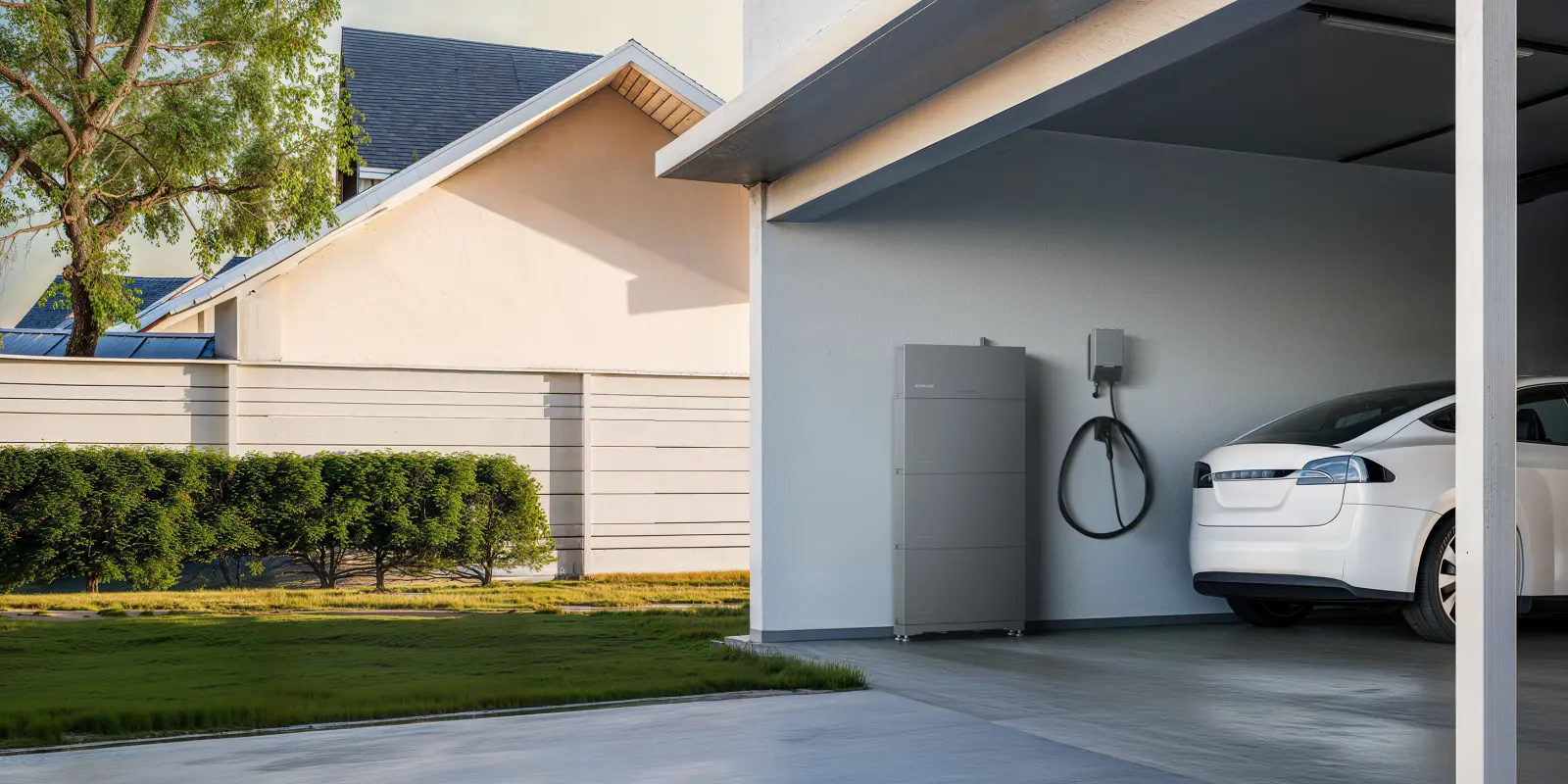
If you really want to stay in control of your home energy, a battery system is worth thinking about. In a typical single-phase UK home, something like the EcoFlow PowerOcean (Single Phase) stores energy when it’s cheap or coming from your solar panels, then feeds it back when the car needs charging. That eases the load on your grid connection and means you’re still running your commute on stored, low-cost energy — even on dull days.
4. Monitoring and Maintenance
Most modern units look after themselves, but it’s a good habit to check the app now and again for updates. Keeping an eye on your usage can also help you save more — you might even time the dishwasher to run during the same charging window as your car.
EV Charger Safety and Legal Requirements
While having a charger at home is a huge win, it does involve high-voltage electricity, so safety has to be your top priority. Here’s a bit of a steer on what UK homeowners need to get their heads around:
1. Use a Qualified Installer
UK law requires EV chargers to be installed by an OZEV-approved electrician. Installing one yourself isn’t legal and could invalidate your insurance, break BS 7671 regulations, and create a significant fire risk.
2. Avoid Using Standard Domestic Sockets
It’s best not to use a standard three-pin plug (“granny cable”)for extended periods. These sockets aren’t meant for the sustained heavy lifting an EV requires, and overdoing it can lead to melting cables or constantly tripping your circuit breakers.
3. Check Your Home’s Electrical Capacity
Before you get a 7kW charger, older homes might need a bit of a tweak to the electrics, like a fuse upgrade. Running a heat pump, an electric shower, and your car all at once can be a bit of a stretch for your mains supply. Luckily, smart chargers with load balancing can automatically dial things back to stop you from overloading the circuit.
4. Earthing and Circuit Protection
Chargers need proper earthing and RCD (Residual Current Device) protection. This helps protect both your car and your household wiring if something goes wrong.
5. Planning for Three-Phase vs Single-Phase
Most of us in the UK have a single-phase supply, making a 7kW charger the go-to choice. You can technically install a 22kW unit if you have three-phase wiring, but it’s not the norm for domestic driveways and the extra installation faff usually makes it a lot more expensive.
6. Insurance and Compliance
Installing an OZEV-approved unit ensures your insurance remains valid and may be required to qualify for government grants.
Tip: Don't just take their word for it—ensure your installer follows the latest BS 7671 and OZEV specs to the letter. If you're mixing EV tech with solar or batteries, proper compliance is non-negotiable for both safety and your home insurance.
Schedule Your Free Consultation Today!
What kind of product or solution are you interested in?
Conclusion
Installing your own charger is a massive win for your EV routine. By going for a high-spec unit like the EcoFlow PowerPulse 2 and potentially adding home battery storage, you’re moving beyond just charging a car; you’re investing in a cheaper, greener, and properly joined-up way to power your life.
FAQs
1. What is the lifespan of a home EV charger?
To be fair, these boxes are tough as boots and built to handle whatever the British clouds throw at them for at least a decade. You’ll easily get 10 to 15 years out of a good one, as long as your sparky’s done a proper job with the install and you keep the software topped up.
2. Where is the best place to put an EV charger at home?
Most people in the UK opt for the garage or the side of the house so the best spot is usually a garage wall or a sturdy exterior wall right next to where you park. Just make sure your sparky can get a neat route from the mains so you don't have cables trailing everywhere.
3. Can I get a grant for an electric car charger at home?
If you’re a renter or you own a flat, you can still bag a £350 grant through the OZEV scheme. But for most folks in detached houses with their own driveways, that ship has sailed—you’ll have to foot the bill yourself these days.
4. Which is better, a 3kW or 7kW home charger?
In most cases, a 7kW charger is the better option. It’s around three times faster than a 3kW granny cable and much more convenient for daily charging.
5. Is it legal to install your own EV charger in the UK?
In a word: no. You absolutely can't do it yourself. It’s a legal requirement to have your charger fitted by a properly qualified sparky to ensure it meets UK wiring regs (BS 7671) and keeps your home insurance valid.

