
Clean Power 2030 Explained: What It Means for UK Households
We’ve all heard the 2030 "Clean Power" pledges by now, but beyond the grand speeches, most of us are asking the same question: What is this going to cost me?
Switching the National Grid over to renewables is a massive undertaking, and it’s naive to think it won't land on our doorstep. Between rising standing charges and the push for "flexible" consumption, keeping the kettle boiling without a massive bill is becoming a bit of a tactical challenge. Let’s unpick what’s actually happening behind the scenes of the 2030 transition and how you can stop your energy costs from spiralling.
What Is Clean Power 2030 and Why It Matters for UK Households
To understand where we’re going, we have to look at how we’re powered. Currently, a fair chunk of our electricity still comes from burning gas. Clean Power 2030 is the roadmap to flipping that script.
1. The UK’s Plan for Cleaner Electricity by 2030
At its core, Clean Power 2030 is about making the UK a "clean energy superpower." The goal is to shift the National Grid away from fossil fuels and towards a system dominated by renewable energy—think massive increases in offshore wind, solar power, and nuclear energy. The government ultimately aims for a fully decarbonised power system by 2035, with 2030 acting as a key milestone in that transition.
2. Why It Directly Impacts UK Households
This isn't just a project for civil engineers; it’s a fundamental shift in how households interact with the electricity system. Because renewable energy is inherently variable (the wind doesn't always blow when we want to put a wash on), the way we "buy" and "use" power is going to become much more dynamic.
3. What It Means for Everyday Home Energy Use
We are moving away from the old "set and forget" mentality. As the grid cleans up, the focus shifts to flexibility. Households will be encouraged—and eventually expected—to use power when it’s plentiful in the system, rather than just whenever it’s convenient.
How Will Clean Power 2030 Affect Household Electricity Bills?
The "million-pound question" (or perhaps the £2,000-a-year question) is what this does to our wallets.
1. Long-Term Electricity Price Trends
In the long run, the theory is that homegrown renewables will be cheaper and more stable than volatile international gas markets. Once the infrastructure is built, wind and sun are essentially free, which should—in an ideal world—bring down the wholesale cost of electricity.
However, retail prices are not determined by wholesale costs alone. In reality, the wholesale cost of electricity is only one part of your bill. According to Ofgem, a typical UK household electricity bill is broadly made up of:
Around 35–40% wholesale energy costs
Roughly 20–25% network costs (maintaining and upgrading transmission and distribution infrastructure)
Approximately 15–20% policy and environmental levies
The remainder covers supplier operating costs, metering, and VAT
This means that even if renewable generation lowers wholesale prices over time, households may still see upward pressure from network investment and system balancing costs during the transition.
2. Short-Term Bill Fluctuations During the Transition
However, the transition period can be a bit bumpy. Building new pylons, reinforcing substations, and connecting offshore wind farms requires significant capital investment. These infrastructure upgrades are typically recovered through network charges, which form part of both your unit rate and your daily standing charge.
The standing charge in particular covers fixed costs such as:
Grid maintenance and system operation
Metering services
Policy schemes and capacity market payments
Supplier administration costs
Even if you use very little electricity, this fixed daily cost still applies—making it an increasingly visible component of household bills during the energy transition.
3. How Tariffs and Peak Rates May Change
Expect to see the death of the "flat rate" tariff. We’re moving toward Time-of-Use (ToU) tariffs, where electricity is dirt cheap at 2 AM but could cost a pretty penny at 6 PM. If you don't adapt, your peak-time bills could feel a bit painful.
How Will Home Energy Use Change in the UK?
As the National Grid evolves, our daily habits will have to follow suit. Here’s how British home life might look by 2030.
1. More Renewable Power in Daily Supply
On a sunny, breezy day, your home might be powered almost entirely by renewable electricity. This is great for the planet, but it requires a more "intelligent" electricity grid to manage the flow and ensure stability during periods of high demand.
2. A Less Predictable Energy Mix
Unlike a gas power station that you can simply "turn up," renewables are intermittent. To maintain security of supply, the UK also operates a capacity market mechanism, designed to ensure sufficient backup generation remains available during periods of low wind or high demand. This adds resilience—but also contributes to the overall system cost structure.
3. Greater Need for Flexible Household Consumption
To keep the grid stable, we’ll need to be flexible. This means "shifting loads"—running the dishwasher or charging the EV when there’s a surplus of wind power, rather than during the evening news.
How UK Households Can Prepare for Clean Power 2030
Preparation is about moving from being a passive consumer to an active energy manager. Integrating a Home energy management system is the most effective way to stay in the driver's seat as the grid evolves.
1. Adapting to Time-of-Use Tariffs and Flexible Pricing
The best way to save money will be to avoid the "Peak Hour" price hikes. Some suppliers, such as Octopus Energy, already offer half-hourly “Agile” tariffs that track wholesale prices in near real time.
2. Reducing Exposure to Peak Electricity Costs
As the grid relies more on intermittent renewables, "Peak Shaving" will become a household necessity. If you don't change your habits, your bill risks soaring during those high-demand windows.
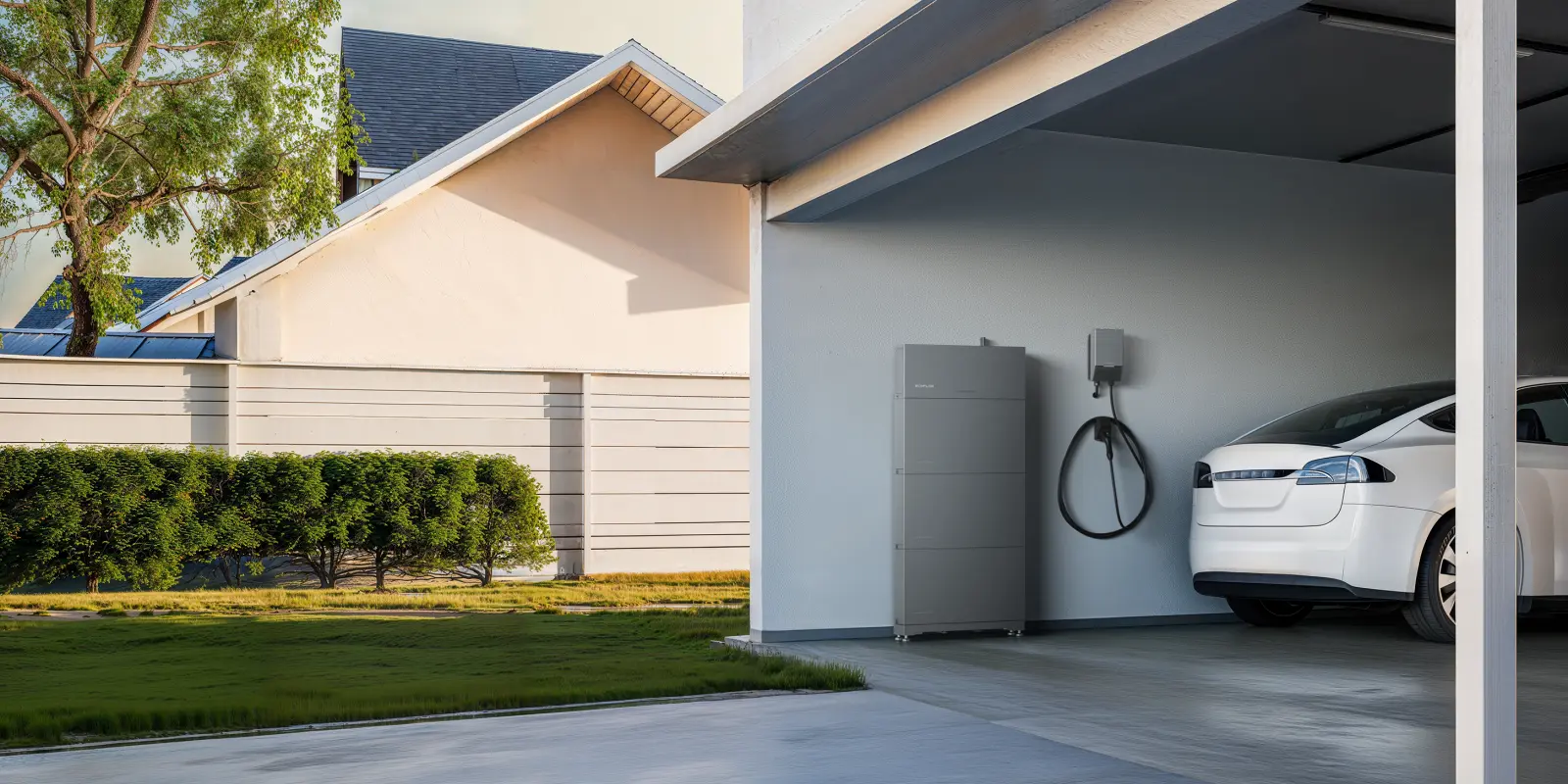
This is where home battery storage becomes increasingly relevant. Several modular battery systems now available in the UK market—designed for standard single-phase households—offer scalable capacities starting from around 5kWh and expanding upward depending on household demand.
Solutions such as the EcoFlow PowerOcean(Single-Phase) are built with this flexibility in mind, allowing homeowners to store electricity when wholesale prices are low (or when rooftop solar generation is high) and discharge it during expensive evening peak periods. In practice, this creates a buffer against price volatility and reduces exposure to peak-rate tariffs.
3. Increasing Energy Independence at Home
The ultimate goal for many is to rely on the grid as little as possible. Combining solar panels with smart storage allows you to generate your own clean power, effectively "future-proofing" your home against whatever the 2030 transition throws at us.
4. Using Real-Time Monitoring to Stay in Control
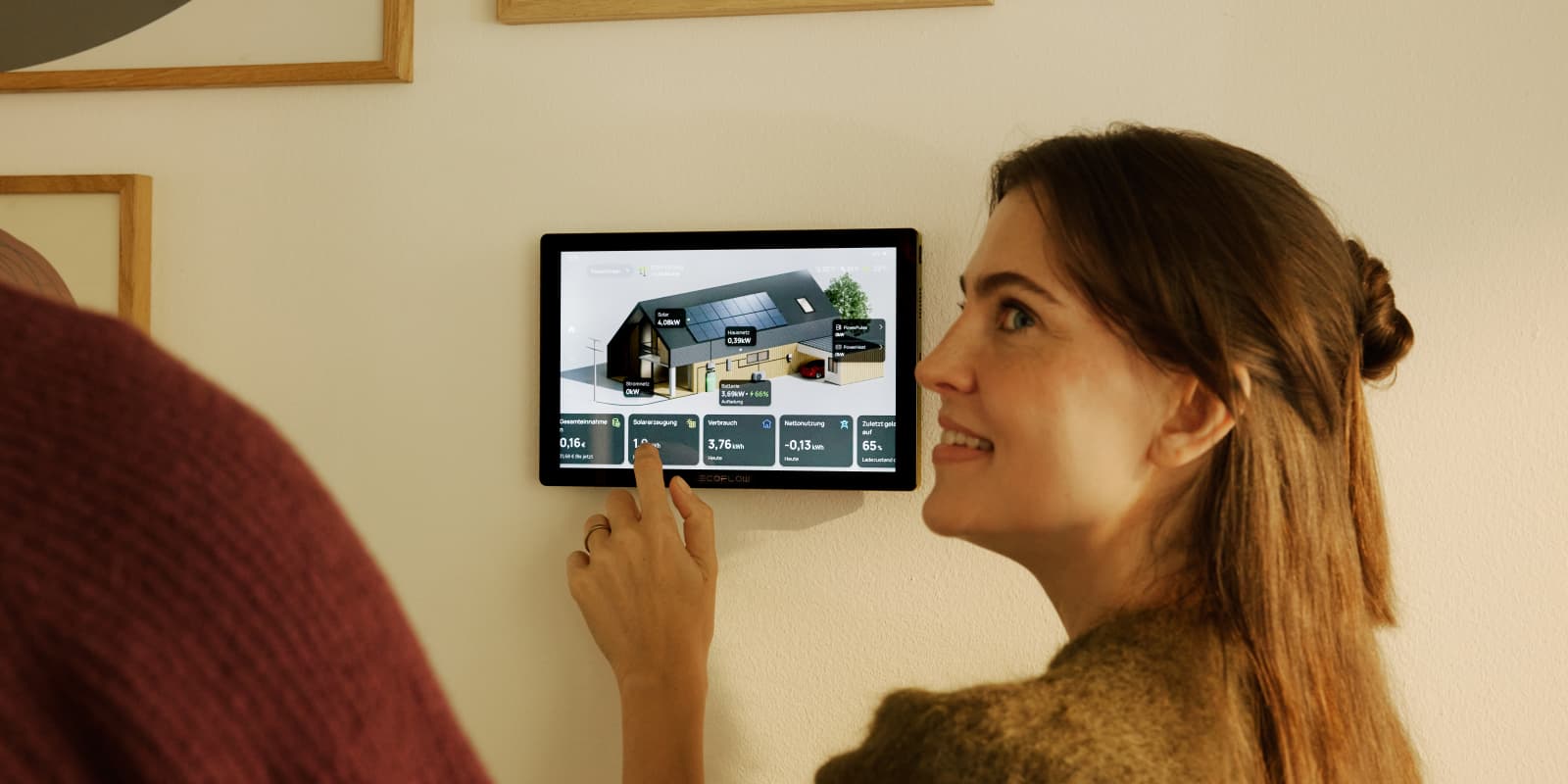
You can’t manage what you can’t see. The shift to clean energy requires moving from "blind consumption" to "smart management." If you don't know which appliances are guzzling power during peak hours, your saving efforts will be a bit of a guessing game.
To bring some transparency to the chaos, tools like the EcoFlow PowerInsight 2 can be incredibly handy. It’s an 11-inch interactive home energy manager that shows you exactly where your energy is going in real-time. By visualising your "energy flow," you can spot waste and adjust your habits instantly, ensuring you’re actually in control of your costs as we head toward 2030.
Conclusion
Clean Power 2030 is a massive shift, but it doesn't have to be a headache. While the grid becomes more complex, the tools available to us—from flexible tariffs to smart home battery storage—are becoming more sophisticated, too. By taking control of your home’s energy "ecosystem" now, you’re not just helping the planet; you’re making sure your bank account stays healthy in a greener, more electric Britain.
Schedule Your Free Consultation Today!
What kind of product or solution are you interested in?

FAQs
1. What is the capacity target under Clean Power 2030?
The UK aims to double its onshore wind, triple solar power, and quadruple offshore wind capacity by 2030. This massive scaling up is designed to ensure there is enough renewable generation to meet the country's total demand without needing gas-fired plants.
2. Is the UK self-sufficient in electricity?
Currently, the UK is not fully self-sufficient and often imports electricity from Europe via "interconnectors." While we produce a lot of our own power, we rely on these links to France, Norway, and the Netherlands to balance the grid when our domestic demand outstrips supply.
3. Do all cars have to be electric by 2030 in the UK?
The current goal is for the sale of new petrol and diesel cars to end by 2030. You will still be allowed to drive and buy used internal combustion engine (ICE) vehicles, but the market will shift heavily toward Electric Vehicles (EVs) from that point onwards.
4. Will Clean Power 2030 make my electricity bill cheaper?
While the levelised cost of renewable generation has fallen significantly over the past decade, system balancing and network upgrade costs may continue to place upward pressure on bills during the transition period, but bills may remain high in the short term due to infrastructure investment. The best way to ensure a "cheaper" bill is to use smart technology to avoid buying power during expensive peak periods.

