
Central Heating Pump Running Costs UK: How Much Electricity Does It Use?
Let’s face it, the British weather is a total guessing game, so our central heating really is the MVP of the home. But with energy prices still making everyone wince, most of us are staring at our smart meters like they’re ticking time bombs, wondering what’s actually costing a fortune. While the boiler usually takes the rap, it’s the central heating pump that’s the real engine room, constantly whirring away to get that warmth into your radiators.
This article will help you understand that the true cost means looking beyond the basics, from how long it runs to what’s behind those nasty spikes in power use. We’ll also touch on how smart tech and home batteries can help your home work smarter, without the fuss.
How Much Electricity Does a Central Heating Pump Use?
Understanding the bill comes down to knowing what your heating is actually doing when you’re not thinking about it.
1. What a Heating Pump Does and When It Runs
The pump is what actually gets the heat moving from your boiler to your radiators. It’s an electric device that only runs when needed—usually triggered by your thermostat. You won't hear it much in summer, but during a chilly January, it’ll be working its socks off for around 8 to 12 hours a day to keep the house warm.
2. Typical Power Consumption and Daily Usage
Power use really comes down to how old your pump is.
Older fixed-speed pumps: These usually sit somewhere between 60W and 100W.
Modern variable-speed pumps: These are far more efficient, often running at just 5W and 45W.
Leave a 60W pump running for 10 hours and you’ll burn through about 0.6kWh. It doesn’t look like much at first glance, until you remember how many other things are plugged in. To accurately estimate your costs, it also helps to understand how the energy price cap affects your unit rates.
What Drives Your Central Heating Pump Running Costs?
Not all heating systems are created equal, and several factors can send your electricity usage north.
1. Pump Type Efficiency and Age
If your pump’s been hiding away in the airing cupboard since the late 90s, it’s probably a fixed-speed model. That means it runs flat out even if you’ve shut off a few radiators. Newer A-rated pumps are much smarter, using permanent magnet motors and speed control to cut down on wasted energy.
2. System Size and Heating Habits
It takes far more effort to heat a big Cotswolds home than a two-bed flat in London. If you’re someone who likes it at 22°C instead of 18°C, the pump will be on for longer, and those extra hours soon show up in the total cost.
3. Continuous Running and Hidden Energy Waste
Many older heating systems around the UK are prone to silent drainage. A fault with the controller or an overrun setting that won’t disengage can leave the pump running when the boiler is off. As these pumps are usually out of sight and quiet, the wasted electricity can go unnoticed for months, slowly pushing your bills higher.
Estimated Central Heating Pump Running Costs in the UK
Let’s get down to pounds and pence. Using the latest Ofgem price cap rates of roughly 27.7p per kWh, we can work out exactly what that pump is costing you.
1. Average Monthly Electricity Costs
A new, eco-friendly pump is a real penny-pincher; you're only looking at about £1.50 to £2.00 a month to keep it whirring for 8 hours a day. The older ones are much thirstier, though—they can easily double or triple that, hitting £4.00 to £6.00 a month before you know it.
2. Estimated Annual Running Costs
Factor in reduced summer use, and a modern pump will typically cost around £15–£20 a year. Older, less efficient pumps can rack up more than £50–£60 over the same period.
3. Older Pumps vs Modern Energy Efficient Models
| Pump Type | Power (Avg) | Daily Cost (10 hrs) | Annual Est. Cost |
|---|---|---|---|
| Old Fixed Speed | 80W | 19.6p | £50+ |
| Modern Variable | 20W | 4.9p | £15 |
How to Reduce Central Heating Pump Electricity Costs
Cutting your energy bills isn’t always about calling in a plumber — often it comes down to managing things better and using smarter tech.
1. Improve Pump and System Efficiency
When radiators are properly bled, and the system isn’t clogged with sludge, the pump can circulate water with less effort, which keeps electricity use down and helps you make your home more energy-efficient.
2. Optimise Heating Schedules and Runtime
With a programmable thermostat in place, the pump won’t be ticking away while you’re out or in bed, and that control makes a real difference to your bills.
3. Track Pump Usage with Real-Time Energy Monitoring
Because pumps are hidden out of sight and make very little noise, problems can go unnoticed for ages. Getting visibility is the starting point for cutting costs.
The EcoFlow PowerInsight 2 plugs directly into your home’s electrics and gives you a clear picture of what’s using power. With real-time tracking, you can see how much electricity your heating system is actually drawing. That means it’s easy to catch a pump running when it shouldn’t be, or one that’s starting to spike due to age. Once you can see the patterns, adjusting your heating setup to waste less energy becomes much simpler.
4. Reduce Grid Electricity with Solar and Home Battery Storage
The real sting in the UK comes from running the heating during morning and evening price peaks. The way to neutralise it is by changing where your power comes from.
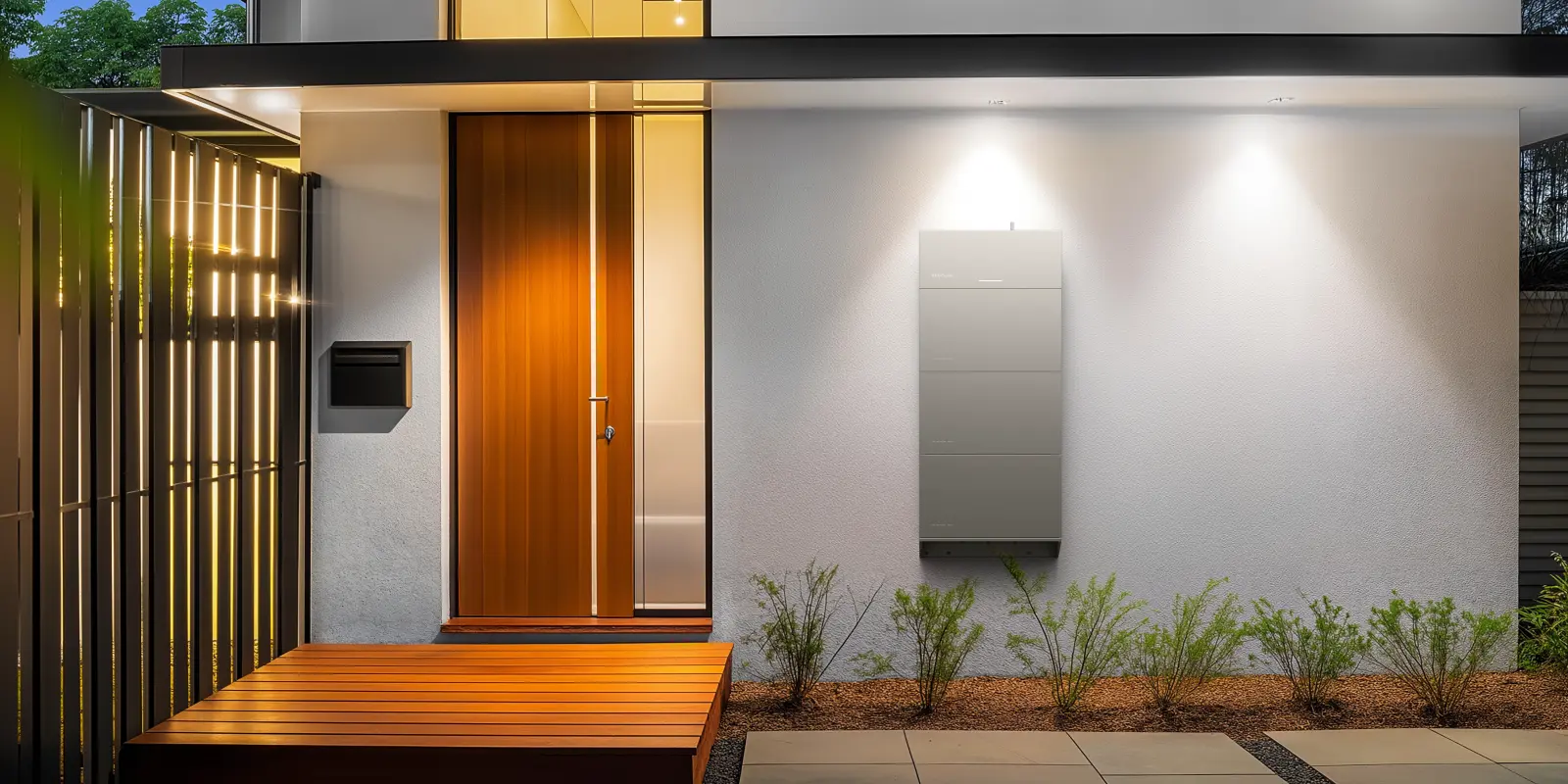
With a system like the EcoFlow PowerOcean(Single-Phase), you're basically bankrolling your own green energy to use exactly when you want. It’s modular, so you can start with 5kWh and scale up to 45kWh if your heating system is a bit of a beast. By running your circulation pumps off your own battery when the energy companies are charging a premium, you’re turning a pricey necessity into a self-powered luxury and seeing your monthly bills plummet as a result.

Is It Time to Upgrade Your Central Heating Pump?
When your pump’s whining, or your radiators are lagging, it’s a pretty clear sign it’s time for a change — particularly if repairing it costs more than getting a new one.
1. When Repair Costs Exceed Replacement
If a quote for £150 to fix an old pump lands on your lap, consider putting it toward a brand-new A-rated model instead. In many cases, the reduced energy bills cover the cost in just a few winters.
2. Assessing the Payback Period of a Smart Upgrade
A new eco-friendly pump will set you back anywhere from £100 to £250. With annual savings of £30–£40 on electricity, it usually pays for itself well before it reaches the end of its lifespan.
3. Future-Proofing Your Heating System
With the move toward low-carbon heating in the UK, having an efficient variable-speed pump means your system is prepped for heat pumps, home battery storage, and smart home setups. This ensures your heating infrastructure is ready for a more sustainable, self-sufficient way of living.
Conclusion
A central heating pump isn’t the top energy user in your house, but its cumulative running time can make a noticeable dent in your yearly electricity spend, particularly if it’s an older model. Tools like the PowerInsight 2, paired with a PowerOcean battery, allow you to build a complete Home Energy Ecosystem. This lets you monitor and offset usage so your home stays warm without shocking your wallet.
Schedule Your Free Consultation Today!
What kind of product or solution are you interested in?

FAQs
1. What does a central heat pump look like?
Spot the small metal unit, pipes sticking out, roughly the size of a big kettle. Usually hiding in the airing cupboard or next to the boiler — boring to look at, but it’s the heart of your heating.
2. What are the symptoms of a faulty central heating pump?
Before it gives up the ghost, a dodgy pump usually starts vibrating or getting scorching hot. If you're also dealing with lukewarm radiators, it’s a safe bet your pump needs some serious TLC.
3. How long will a central heating pump last?
A well-loved pump can easily last 10-15 years, but dirty water is its worst enemy. If your pipes are full of 'sludge,' it’ll cut that lifespan right down, so keep things clean to avoid an early replacement!
4. How long does it take to fit a new central heating pump?
It’s usually a pretty swift job, to be fair. A pro will likely have it sorted in about 1-3 hours. Unless your pipes decide to be a nightmare and take an age to drain down!
5. Where is the central heating pump located?
Finding it is usually a doddle. Check the airing cupboard first—it’s normally right there by the hot water tank. If not, it’ll be inside the boiler itself or stashed away under the floorboards close by. It’s never too far from the heat!

