
Bathroom Renovation: A Complete Guide to Transform Your Space
Renovating a bathroom can improve both its appearance and functionality. With the right planning, an old bathroom can be transformed into a modern, comfortable space with new fittings, extra storage, and a design that suits your needs. Thoughtful renovations also help make better use of your home's space and increase property value.
Before starting, consider your budget and the changes you want. Planning ahead helps avoid extra costs and ensures better results. This guide covers key steps in bathroom remodeling, including costs, materials, trends, and energy-efficient options like solar battery storage, which can reduce electricity use and make your home more sustainable.
What is a bathroom renovation?
Bathroom remodeling, or renovation, means updating or improving a bathroom. The aim is to improve its look, comfort, and performance. You may change the fixtures, toggles, change lights, or design. This aids in space and convenience maximisation. Most homeowners renovate to eliminate old styles and make it useful in day-to-day use.
A bathroom renovation offers several key benefits. It can provide greater comfort and ease of living, as well as modern fixtures that improve water and energy efficiency. In addition, a well-designed bathroom can increase the attractiveness of the home and contribute to higher property value.
How much does it cost to renovate the bathroom?
Bathroom renovation costs in the UK vary depending on room size, material quality, and the work involved. Most homeowners spend between £5,500 and £8,000 on a new bathroom, with the average around £6,600. Simple refreshes can start from £4,000, while high-end renovations may exceed £14,000. A large part of the budget typically goes to labour, including plumbers, electricians, tilers, and fitters. Other significant costs include plumbing, fixtures, tiling, flooring, and installation.
Bathroom Renovation Type | Typical Cost Range (UK) | Key Features & Materials | Main Cost Drivers | Notes / Tips |
|---|---|---|---|---|
Low-cost renovation | £4,000 – £5,500 | Simple refresh, keeps existing layout, basic fixtures | Labour, tiling, plumbing | Best for minor updates; maintaining layout helps control costs |
Mid-range renovation | £5,500 – £8,000 | Upgraded fittings, better finishes, some designer features, and small layout improvements | Labour, fixtures, tiling, flooring, installation | Popular choice for most homeowners; a balance of quality and budget |
High-end / Luxury renovation | £8,000 – £14,000+ | Quality materials, custom storage, premium sanitaryware, and large layout changes | Labour, customised cabinetry, premium bath/shower, tiling, flooring | For large or designer bathrooms, costs vary widely depending on bespoke features |
Additional considerations affecting cost:
Retaining the same layout usually helps manage average bathroom renovation costs.
Material choices such as bath type, shower, or wall finishes can significantly change the total price.
Installation and tiling are typically the most expensive elements.
How to plan a bathroom renovation
Bathroom renovation is easier through proper planning. The following are the biggest steps to take into consideration before you begin your remodel.
Define your renovation goals and priorities
Start by deciding what you want in your new bathroom. Some people want a modern look. Others focus on storage, better lighting, or a layout for their family. Also, think about who will use the bathroom every day. For example, family bathrooms may need a bath and surfaces that are easy to clean. An en-suite could have a walk-in shower and simple fittings. Clear goals at the start make the renovation easier.
Set a realistic budget
Always set a budget that covers materials and labour. Small bathroom renovation costs can rise fast with high-end fittings, more lighting, or layout changes. Factor removal, decoration, and finishing work into your budget. A clear budget prevents overspending and helps you choose materials and fixtures you can afford.
Decide whether to hire professionals or DIY
Bathroom renovation often needs several trades. These can include plumbers, electricians, tilers, and builders. Light tasks may be do-it-yourself. Complex jobs need a professional. Your budget, skills, fittings, and project timeline will guide your choice. Skilled workers save time and reduce costly mistakes.
Check plumbing, electrical, and ventilation requirements
Good planning means knowing what changes are needed—both visibly and behind the walls. Review current plumbing and electrical setups before finalizing the design. You may need extra pipes or drains if you move a toilet, shower, or basin. Building rules apply to electric work in wet areas. Planning these details early helps avoid project delays.
Create a renovation timeline
Bathroom renovation follows a sequence. It starts with planning and inspection. Next come plumbing, wiring, tiling, and decoration. A renovation timeline helps track progress from start to finish. It makes coordination, deliveries, and daily life easier. Even a simple schedule keeps the project organized and on track.
How to design the bathroom layout and functionality
Design your bathroom carefully during bathroom renovations to ensure it is functional, comfortable, and convenient for daily use.
Planning the layout for small bathrooms
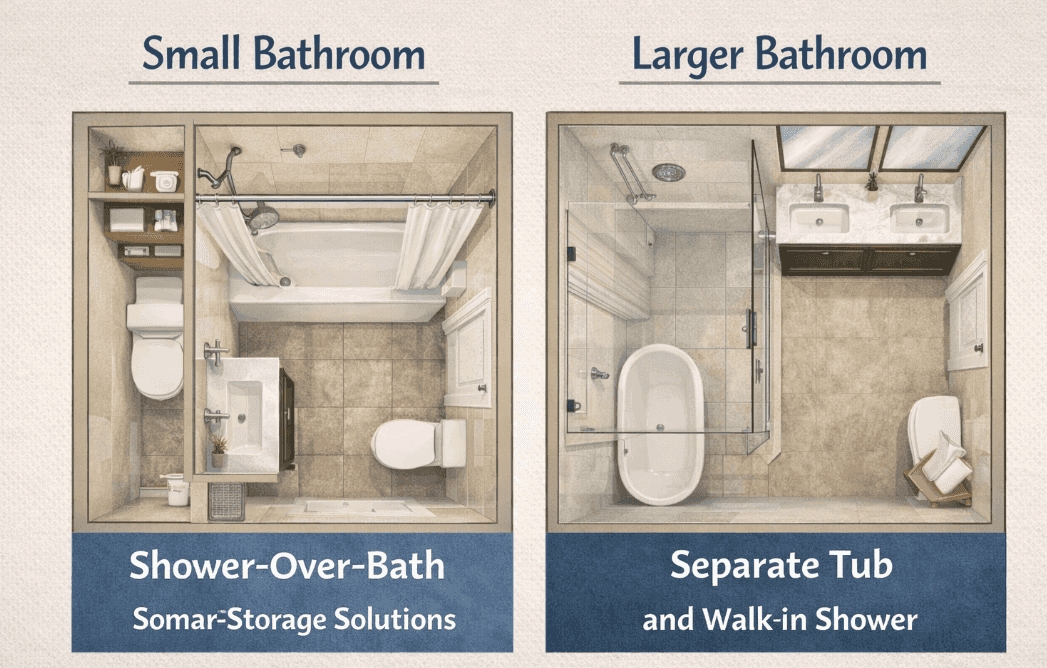
In small bathrooms, the design should use space well. Use small lights and wall fixtures. Place fittings to open up the room. This helps the area feel bigger and allows easy movement. Consider mirrors and light-coloured finishes to visually expand the space. Sliding or pocket doors can save additional floor space compared to standard doors.
Choosing between a bathtub, a shower, or a combination
It usually depends on space and day-to-day needs. Bathrooms that have families tend to have a bathtub, whereas smaller ones can take advantage of a shower or a shower-over-bath unit. Space-saving designs like corner baths or compact shower trays are useful. Adding a detachable shower head or adjustable shower rail improves flexibility for different users.
Storage solutions for modern bathrooms
Bathroom storage solutions keep things tidy. Vanity units, wall cabinets, and shelves store toiletries, towels, and other essentials. For small bathrooms, vertical storage or recessed shelves can save floor space. Using clear containers, baskets, or labelled organizers helps keep frequently used items accessible while keeping surfaces clutter-free.
Accessibility and future-proof design considerations
Plan for safety and easy access for long-term use. Add walk-in showers, non-slip floors, and simple fittings to improve convenience. Consider adjustable-height fixtures or flexible shower setups to meet future needs. Easy-to-clean surfaces and simple fittings also reduce maintenance efforts over time.
How to choose bathroom materials and finishes
Choosing the right materials and finishes during bathroom renovations helps your bathroom last longer and look better.
Popular flooring options (tiles, vinyl, stone)
Bathroom floors must resist water and wear. Tiles are a common choice and are easy to clean. Vinyl flooring is affordable, comfortable, and resists moisture. Natural stone creates a high-end look but requires more upkeep. For safety, choose slip-resistant tiles or textured vinyl to prevent accidents.
Waterproof wall materials and tiles
Bathroom walls need to handle moisture and humidity. Ceramic and porcelain tiles are popular because they are waterproof and durable. Modern options like wall panels or waterproof boards are easy to install and maintain. Applying a waterproof sealant around joints can further extend durability.
Durable fixtures and fittings
Choose high-quality fixtures to make your bathroom last longer. Taps, showers, basins, and toilets should be made from sturdy materials that resist daily wear and corrosion. Brushed or matte finishes can reduce visible watermarks and make cleaning easier.
Colour schemes and design trends for modern bathrooms
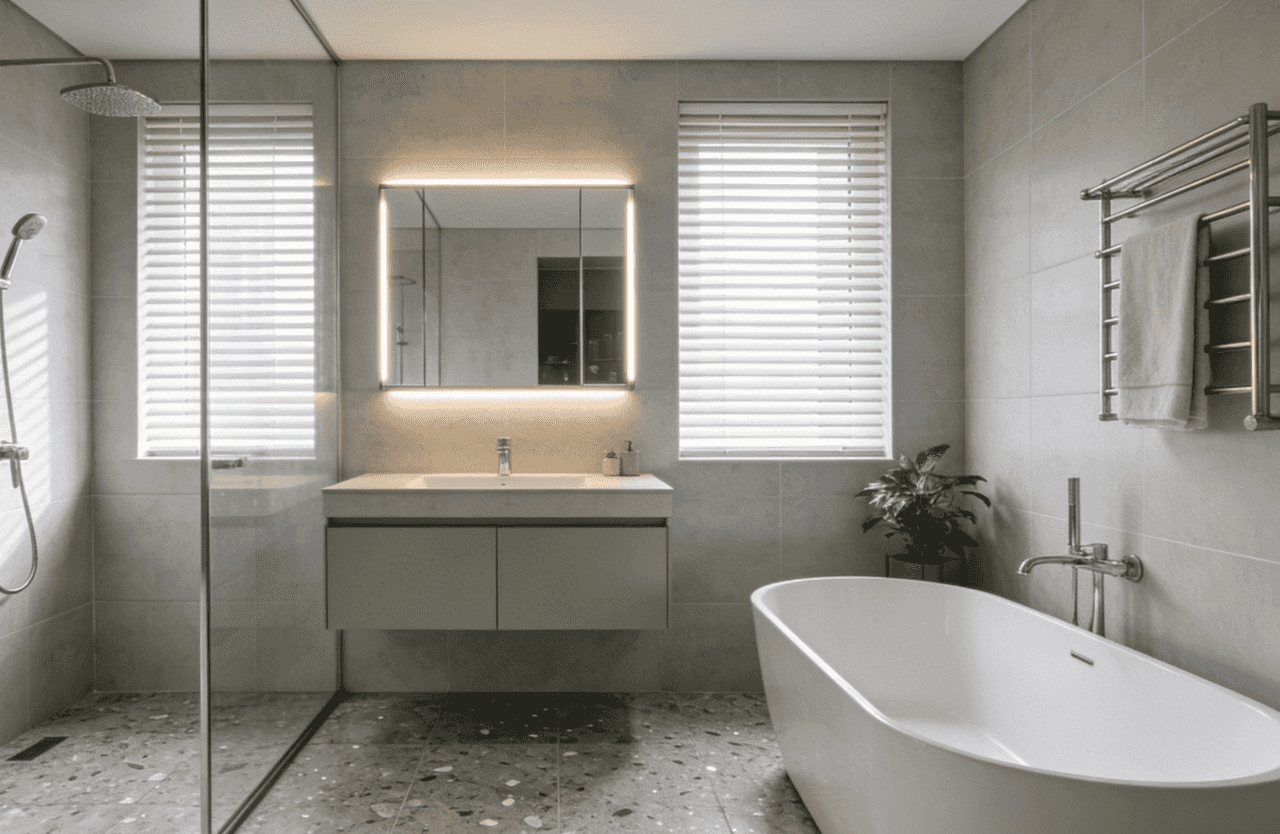
Modern bathrooms often feature neutral colours such as white, grey, and beige to create a clean and calming environment. Incorporating natural textures and simple patterns can enhance a relaxing, modern feel. Accent walls or decorative tiles can be used sparingly to add personality without overwhelming the space.
Lighting, heating, and ventilation for modern bathrooms
Lighting, heating, and ventilation all need attention. Proper planning creates a pleasant and practical bathroom.
Layered lighting for functionality and ambience
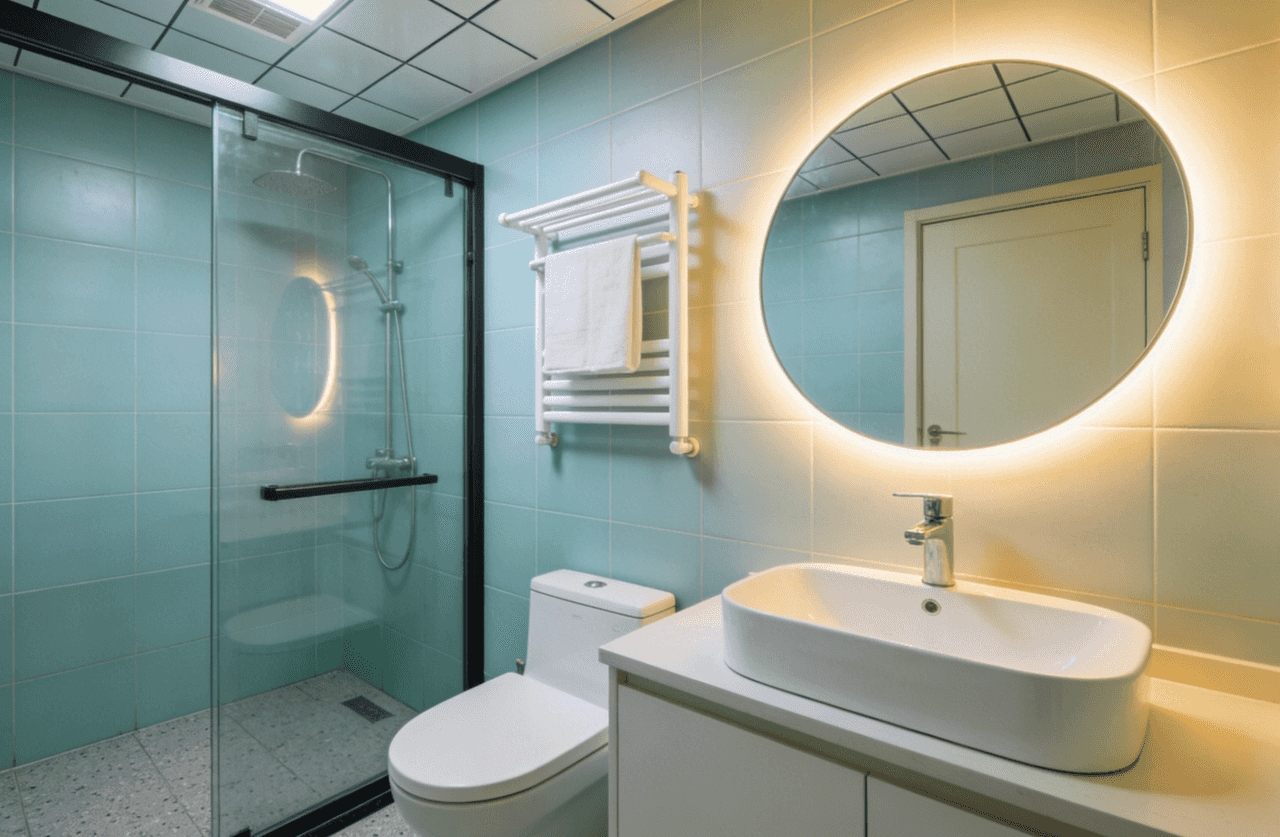
Use different lighting types to enhance bathroom functionality and mood. Task lighting around mirrors is ideal for shaving or makeup, while ceiling lights and ambient lighting create a relaxing atmosphere. Consider dimmable lights to adjust brightness for different times of day or activities.
Energy-efficient lighting options
Most modern bathrooms use LED lighting, which consumes less energy and lasts longer than traditional bulbs. LEDs provide bright and reliable light daily. Installing motion sensors or timers can further save energy and reduce costs.
Underfloor heating and towel warmers
During bathroom renovations, installing effective heating enhances comfort, especially in colder months. Underfloor heating keeps the floor evenly warm, while heated towel rails ensure towels stay warm and dry. Programmable heating systems also help manage energy use efficiently without wasting electricity.
Ventilation systems to prevent mould and moisture
Good ventilation is essential to prevent humidity, mould, and damage to surfaces. Extractor fans and adequate air circulation help remove excess moisture from showers and baths, improving indoor air quality. Installing fans with humidity sensors can automate ventilation and reduce maintenance.
Energy-efficient solutions for modern bathroom renovations
During any home renovation, home energy efficiency is an important consideration, including upgrades to the bathroom. Modern bathrooms often use electricity for lighting, heating, ventilation, and other appliances, which can increase overall household electricity consumption. Planning energy-saving solutions during the renovation can help minimise power usage and improve sustainability. Incorporating smart energy systems and home energy storage technologies from brands like EcoFlow allows homeowners to manage electricity more efficiently, maintain a resilient energy system, and enhance the long-term efficiency of their home.
Home energy storage for bathroom renovations: EcoFlow Ocean 2
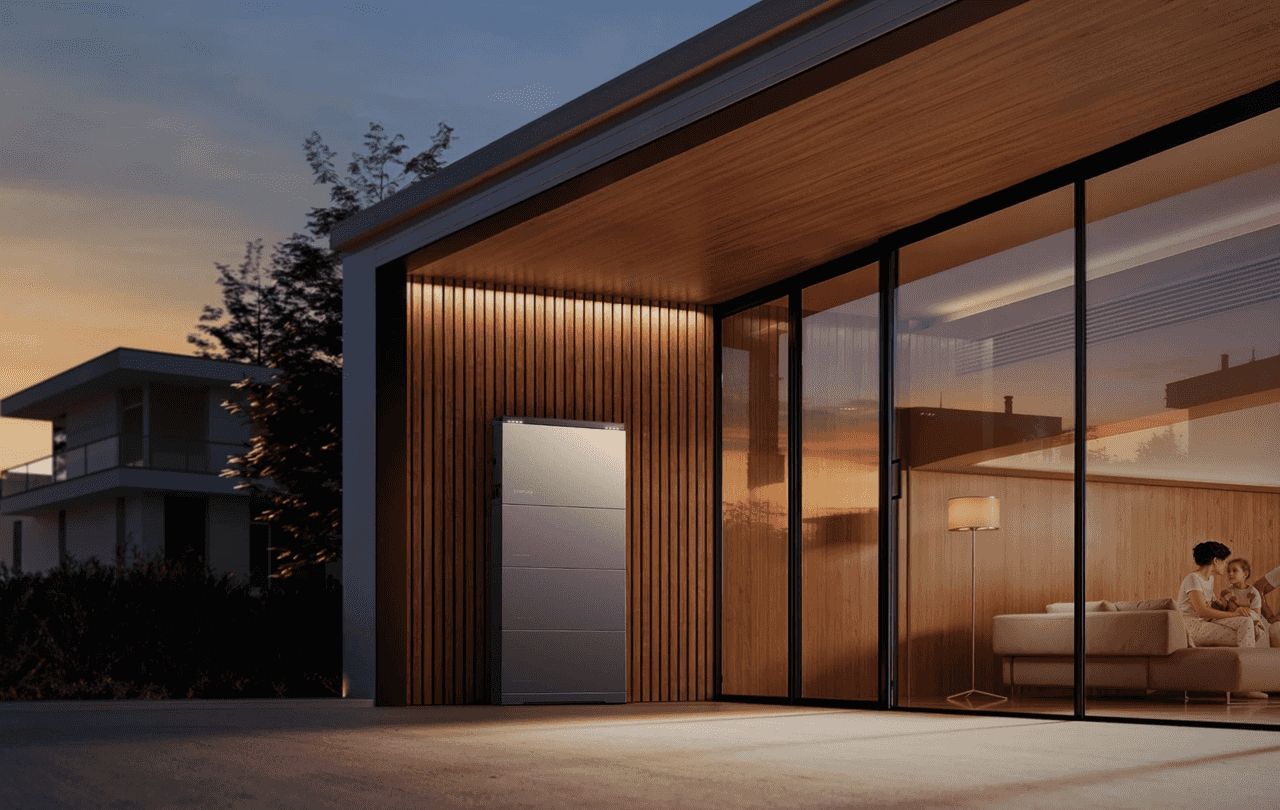
Upgrading a bathroom often involves adding energy-demanding appliances such as heating, lighting, ventilation, and smart devices. The EcoFlow OCEAN 2 helps homeowners manage this additional energy efficiently while providing reliable backup power during outages. Its all-in-one modular design is easy to integrate into modern homes and renovation projects, ensuring your bathroom renovations are comfortable, sustainable, and energy-smart.
Key features and benefits include:
High power output: Up to 12 kW to run multiple high-demand appliances at the same time.
Large solar input: Accepts up to 24 kW of solar energy for faster and more efficient charging.
Expandable storage: Each module provides 5 kWh, expandable up to ~60 kWh, offering longer backup times.
Reliable backup: Instant whole-home backup with 0 ms switchover ensures no interruptions.
Durable and weatherproof: IP66 rating protects against dust and water.
Long-term warranty: A 15-year warranty provides peace of mind for homeowners.
With Ocean 2, homeowners can maximize solar energy use, maintain a continuous power supply, and enjoy a more efficient, sustainable household energy system. Planning a bathroom renovation? Request a personalised quote today and discover the right Ocean 2 solution for your household.
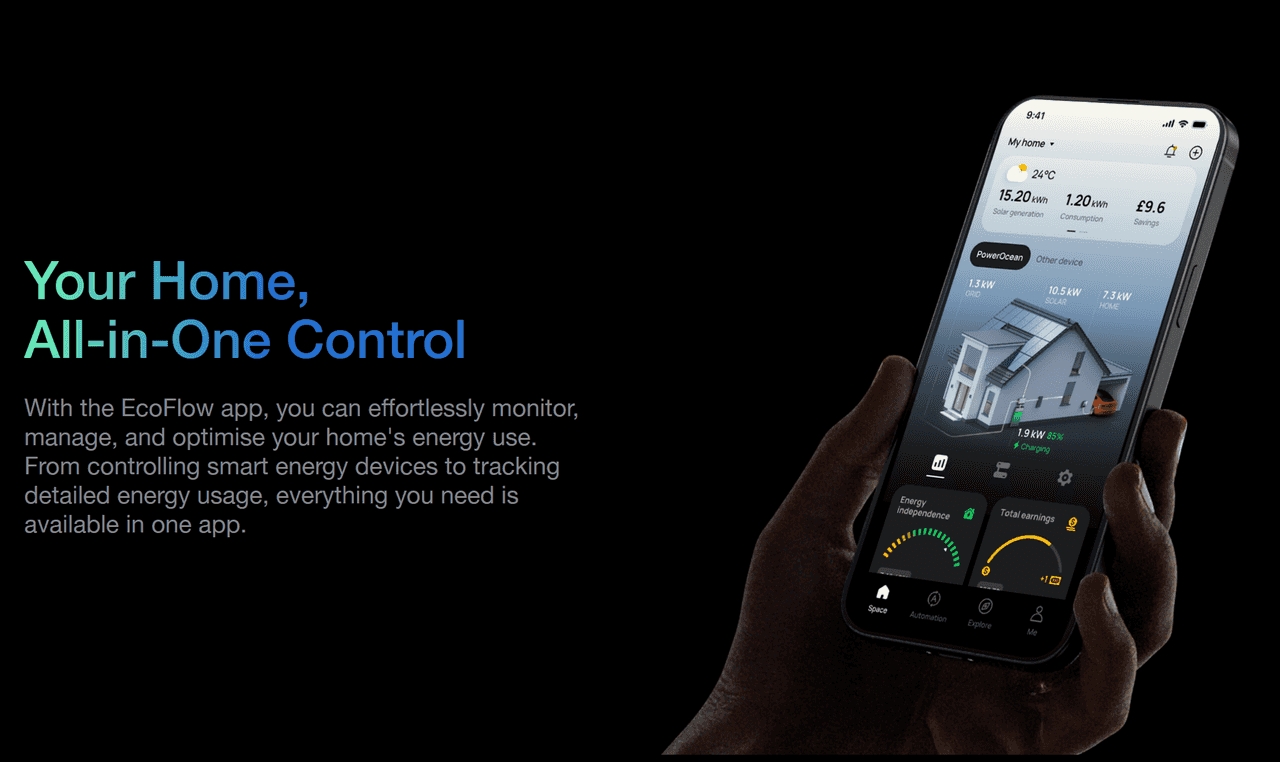
Smart home energy monitoring – EcoFlow Intelligent HEMS
When upgrading a bathroom, appliances like lighting, underfloor heating, ventilation fans, and heated towel rails can increase household electricity use. The EcoFlow Intelligent HEMS helps homeowners monitor and manage energy efficiently, ensuring your bathroom renovations are both comfortable and cost-effective. Tracking real-time energy consumption allows you to optimise usage without compromising on comfort.
Key benefits for bathroom energy efficiency:
Real-time monitoring: Track electricity usage for lights, heating, and ventilation in your bathroom and throughout the home.
Smart energy distribution: Prioritises power to essential bathroom appliances during peak usage or outages.
Cost savings: Optimises solar energy usage and reduces reliance on the grid, lowering electricity bills.
Enhanced appliance lifespan: Prevents overuse and inefficiency in high-demand devices like heated floors or towel rails.
Integration with renovations: Works seamlessly with smart home devices and home energy storage systems, ideal for modern bathroom upgrades.
By using EcoFlow Intelligent HEMS, homeowners can enjoy a comfortable, energy-efficient bathroom while maintaining full control over electricity use.
Budget bathroom renovation ideas
A cost-efficient bathroom remodelling process begins with decisions that optimise the room without introducing unneeded person-hours and the expenditures of the materials. Below are some small bathroom renovation ideas;
Keep the existing plumbing layout
Toilet, basin, and shower should be kept in the same positions because that is one of the most convenient methods to keep renovation costs at a level. FMB observes that the maintenance of the current layout will contribute to preventing the relocation of the plumbing, which makes the project easier and cheaper.
Refinish instead of replacing fixtures
In case of existing fixtures, only a few fittings need to be replaced; updating the chosen elements rather than buying new ones can save a lot of money. Even a basic overhaul of the bathroom will be able to enhance the overall appearance with the addition of more modern sanitaryware, storage, or accessories.
Use affordable tiles or wall panels
Multipanel emphasises the benefits of waterproof wall panels as an affordable solution, since the panel can be installed on numerous surfaces, including the tiles that are already present. Installation time is also shorter than tiling, according to the brand, which could reduce labour expenses.
Upgrade lighting and hardware for quick improvements
Minor modifications like replacement of handles, taps, mirrors or lights can update the bathroom without remodelling the entire bathroom. FMB not only proposes that one can add modern features like additional storage or a heated towel warmer to a simple update, but the project can also be within budget.
Common bathroom renovation mistakes to avoid
There are various pitfalls that should be avoided to ensure that a bathroom makeover is more effective and less expensive.
Underestimating renovation costs
Most homeowners are preoccupied with fixtures and finishes, but labour, plumbing, tiling and unforeseen repairs can easily add to the overall budget. Some of the additional costs that should be planned are there to avoid financial strain throughout the project.
Ignoring ventilation and moisture control
Ventilation inadequacy or lack thereof may result in condensation, damp spots and moulds. The useful extraction and airflow to regulate moisture must be incorporated in a well-laid-out bathroom.
Choosing materials that are not water-resistant
Bathrooms are subjected to frequent water, hence the designs of walls, floor covering and fittings ought to be able to deal with wetness. The inappropriate materials may be damaged and might increase their maintenance expenses.
Poor lighting design
It is possible that, by depending on a single central light, essential areas can be overly dark. A combination of practical and ambient lighting may enhance functionality and comfort.
Conclusion
To have a successful bathroom renovation, planning, a realistic budget and clever design choices are important. Homeowners can also make a comfortable, practical and everyday-use bathroom by establishing layout, materials, lighting, and ventilation. One can also turn to energy efficiency in the renovation process in order to diminish the use of electricity in the long term. Such products as EcoFlow Ocean 2 enable families to store energy so that it can be used later, whereas EcoFlow Intelligent HEMS is used to monitor and control power usage. A combination of these technologies will assist in a more efficient home and enable homeowners to have better control over their energy consumption.
FAQs
1. What is a realistic budget for a bathroom renovation?
A realistic budget for a bathroom renovation in the UK typically ranges from £5,000 to £8,000, covering both materials and labour. Costs can increase if you choose upgraded or high-end fixtures or alter the layout significantly. Incorporating smart energy solutions, such as a home energy storage system, can also affect the budget but provides long-term savings by helping manage electricity for heating, lighting, and ventilation more efficiently. Planning your budget carefully ensures you avoid unexpected costs and make the most of your renovation.
2. In what order should I renovate a bathroom?
The renovation process is smoother when done in a planned sequence. Start with design and layout planning, then remove old fixtures. Next, prepare floors, walls, and basic fittings, followed by electrical work, and finish with plumbing and installation of new appliances. Integrating smart systems, such as energy monitoring or storage, during this stage ensures that the bathroom is both modern and energy-efficient from the start.
3. What is the most expensive part of a bathroom renovation?
The highest costs usually come from labour and plumbing work. Relocating pipes or adding new systems can become costly. Luxury tiles, premium sanitaryware, and high-end fittings also increase the budget. Careful planning and choosing durable materials can help manage costs, while smart energy solutions can reduce long-term electricity expenses for lighting, heating, and ventilation.
4. How can I maximize space in a small bathroom renovation?
Maximising space in a small bathroom involves clever design choices. Consider wall-mounted lighting and small fittings, along with intelligent storage compartments to keep items organised. Using walk-in showers, light colours, and reflective surfaces can make the room feel larger. Good lighting, both natural and layered artificial lights, enhances the sense of openness. These strategies help small bathrooms remain functional, comfortable, and visually spacious.
5. What are the trending bathroom renovation ideas for 2026?
Current trends for 2026 include minimalistic designs, neutral colour schemes, and walk-in showers that prioritise both style and convenience. Integrating smart home energy systems is becoming increasingly popular, allowing homeowners to monitor and optimise electricity usage for heating, lighting, and ventilation. Sustainable materials, energy-efficient fixtures, and modular storage solutions also continue to shape modern, practical, and stylish bathroom renovations.

