
What Is Renewable Energy and Why It Matters for Household Electricity Costs
In 2026, the average Australian household electricity bill has increased by more than 30% compared with five years ago, pushing many families to rethink how they power their homes in how they power their daily lives. With traditional energy prices remaining volatile, “going green” is a savvy financial strategy. This guide explains “what is renewable energy“, how transitioning to renewable sources can slash your monthly bills, why thousands of Aussies are making the switch this year, and how smart technology can help you take full control of your energy independence.
How Renewable Energy Affects Household Electricity Bills
Making the switch to renewables fundamentally changes the math of your quarterly power statement. By generating your own power, you move from being a passive consumer to an active producer. This transition is often anchored by the installation of high-capacity solar batteries, which allow you to store energy for use long after the sun has set.
1. Harness Solar Energy for Home Use
The most effective way to see an immediate drop in costs is to capture the abundance of sunshine hitting your roof. Instead of paying a retailer for every kilowatt-hour (kWh), you’re essentially “pre-paying” for years of electricity through your hardware.
2. Convert Sunlight into Usable Household Electricity
Modern solar arrays are more efficient than ever, converting even modest amounts of light into the AC power needed for your fridge, AC, and home office. It’s a seamless transition that happens behind the scenes while you go about your day.
3. Use Clean Energy Without Finite Fuel
Unlike coal or gas, which fluctuate based on global supply chains and geopolitical drama, the sun doesn’t send you an invoice. Once your system is up, your “fuel” is entirely free and infinite.
4. Power Homes Through Sustainable Local Sources
Generating power right where you use it eliminates the need for massive long-distance transmission. This “hyper-local” approach is exactly what the Australian grid needs to become more resilient and cost-effective.
5. Replace Expensive Traditional Utility Grid Power
Every bit of solar energy you consume is a bit of grid power you don’t have to buy. In many cases, households find they can offset 70% to 90% of their traditional energy needs, leaving the “big retailers” with very little to charge for. To achieve these results, many owners now rely on a home energy management system (HEMS) to coordinate their production and consumption automatically.

Why Households Are Shifting to Renewable Energy
The rush toward renewables in 2026 isn’t a coincidence; it’s a response to a perfect storm of economic factors hitting the Australian market.
1. Rising Grid Electricity Prices in 2026
Despite various interventions, the cost of grid power has continued its upward crawl this year. For many families, the “sticker shock” of the latest price hikes has been the final nudge needed to look for an alternative.
2. Mitigate Rising Energy Distribution Charges
A huge chunk of your bill isn’t actually for the electricity itself, but for the “poles and wires” that deliver it. By generating and storing energy on-site, you bypass a significant portion of these mandatory service fees.
3. Access Australian Solar Rebates and Incentives
The Federal and State governments are still offering various incentives to help hit net-zero targets. Whether it’s STCs (Small-scale Technology Certificates) or specific state battery loans, there’s still plenty of “free money” on the table to lower your upfront costs.
4. Rapidly Declining Costs of Storage Hardware
The price of high-quality lithium batteries has dropped significantly compared to five years ago. This makes it much easier for the average household to justify the ROI on a full storage system.
How Smart Home Systems Improve Renewable Usage
In 2026, simply having solar panels isn’t enough; you need a brain to manage that power. With Feed-in Tariffs (FiT) at historic lows in Australia, the goal is “self-consumption”—using every drop of power you make rather than selling it back to the grid for pennies.
1. Optimize Energy Storage for Peak Demand
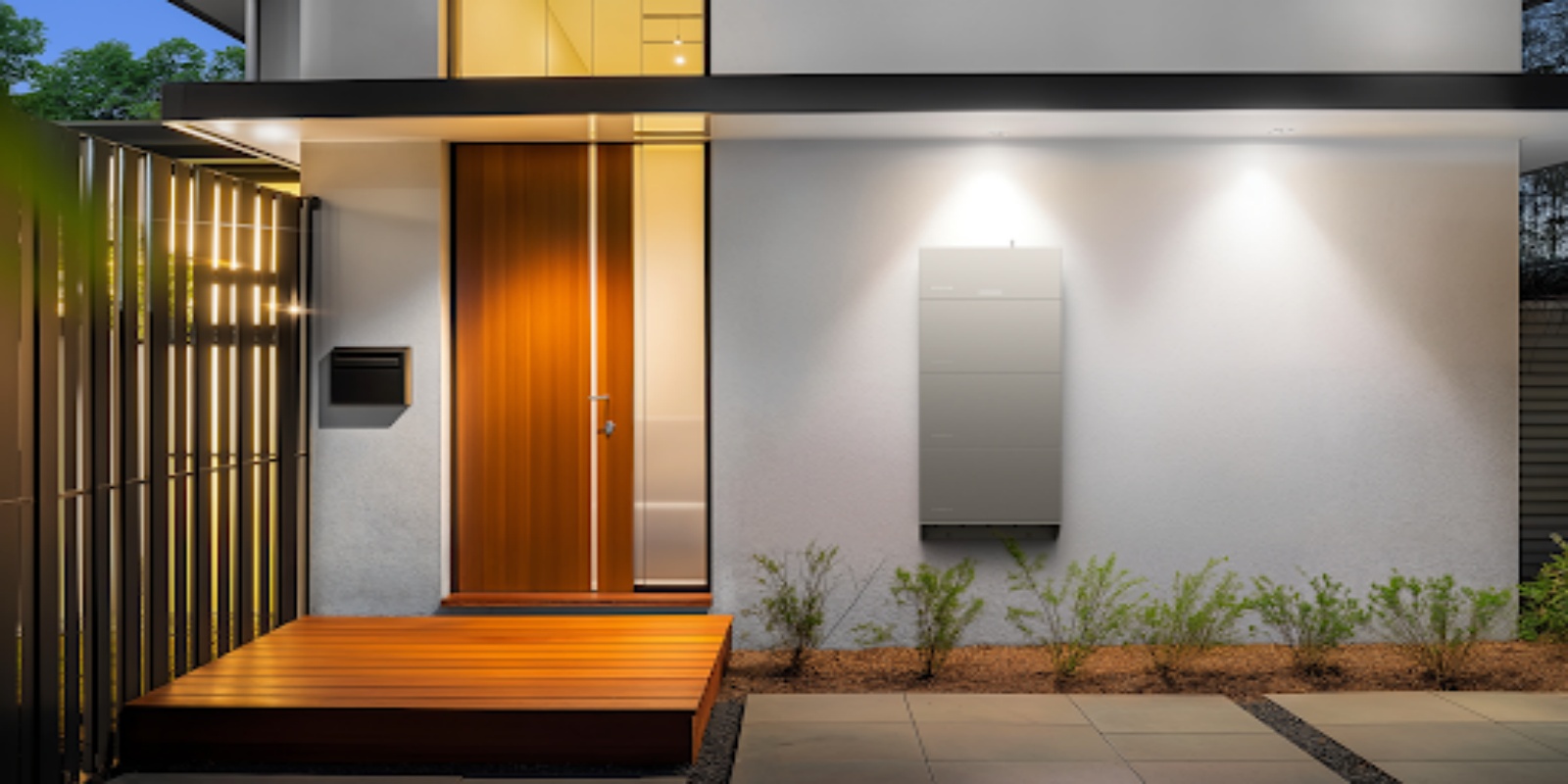
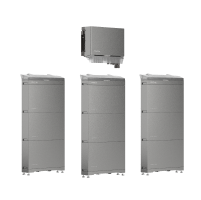
To truly beat the system, you need a way to bank your power for when the sun goes down. The EcoFlow PowerOcean home battery storage system is a game-changer here, offering an expandable capacity that grows with your family’s needs. It’s designed to soak up all that excess solar during the day and automatically discharge during the evening peak—when grid prices are at their highest. Its high-voltage platform means less energy is lost during conversion, ensuring your heavy-duty appliances stay running without dipping into the grid.
2. Monitor Live Power Flow and Generation
You can’t manage what you can’t see, especially with today’s complex time-of-use tariffs. The EcoFlow PowerInsight 2 acts as your home’s energy command centre, featuring a crisp 11-inch touchscreen that shows exactly where your power is going in real-time. By visualizing your solar production versus your appliance loads, you can spot “energy leaks” and see exactly how much that extra dryer cycle is costing you. It’s the ultimate tool for turning data into actual dollar savings.
3. Schedule High-Demand Appliances for Off-Peak Hours
Smart systems allow you to automate the “heavy lifting.” You can set your dishwasher, pool pump, or EV charger to run only when your battery is full or when the sun is at its peak, ensuring you never pay for power you could have had for free.
4. Maximize Discharge Efficiency to Lower Bills
By using intelligent algorithms, modern systems ensure that your stored energy is used in the most efficient way possible. This prevents unnecessary “round-tripping” of electricity, keeping your costs as low as they can go.
What Practical Steps Help Households Adopt Renewables?
By following a structured approach, you ensure that every dollar invested in your system translates into maximum savings on your monthly bill.
Step 1: Conduct a Comprehensive Solar Potential Audit
Before browsing hardware, assess your property’s physical capacity. In Australia, north-facing roofs are the “gold standard” for solar gain, but east-west configurations are increasingly popular in 2026 to capture morning and late-afternoon sun. Use satellite mapping tools or a local site visit to identify potential shading from gum trees or neighbouring extensions that could impact your yield.
Step 2: Calculate Your Real-World Household Energy Profile
Log into your electricity provider’s portal and download your “interval data.” This shows exactly when your home “spikes” in usage. Are you a “morning rusher” or an “evening relaxer”? Understanding your peak demand hours is crucial because it dictates whether you should focus on a larger solar array to cover daytime loads or a more robust battery system to carry you through the night.
Step 3: Size Your Battery Storage for True Autonomy
If your place typically chews through 10 kWh overnight, you’ll want a system that can comfortably cover that stretch. A simple rule many installers use is to size your battery to cover at least 70–80% of your overnight consumption. Going for a modular setup is the smartest move here; it lets you start with a smaller capacity and add more juice later if you need it. This way, you aren’t paying for extra storage you don’t use, but you also won’t be left in the dark halfway through your evening.
Step 4: Compare Certified Quotes and Compliance
Don’t settle for the first quote that lands in your inbox. Grab at least three from CEC-accredited installers so you can compare apples with apples. Things have tightened up in 2026, so make sure they actually look at your switchboard, you’ll need it to be “smart-meter” ready for the best results. It’s also worth asking them about VPP (Virtual Power Plant) deals in your neck of the woods, as these can seriously offset your costs if you’re happy to share a bit of your stored power with the grid.
Step 5: Finalise Financing and Installation Timelines
Review “Green Loan” options which often offer interest rates significantly lower than standard personal loans. Once the paperwork is sorted, confirm your final installation date. A professional install typically takes one to two days, and once the “On” switch is flipped, your journey toward a $0 bill officially begins.
Schedule Your Free Consultation Today!
What kind of product or solution are you interested in?
Conclusion
A clear understanding of the concept of “what is renewable energy” and its role in residential power generation makes switching to it in 2026 one of the most effective ways for Australian households to reduce rising living costs.
Switching to renewable energy in 2026 is the most effective way for Australian households to take the sting out of rising living costs. By combining efficient solar generation with intelligent storage solutions like the EcoFlow PowerOcean and monitoring tools like PowerInsight 2, you are future-proofing your bank account.
FAQ
1. Why is my electricity bill so high with solar panels in Australia?
Your bill is likely high because you are using most of your energy at night when your panels aren’t producing, and your Feed-in Tariff is too low to offset those costs. To fix this, you need to shift your appliance use to daytime hours or invest in a battery storage system to use your solar energy after dark.
2. Which appliance is a real energy drainer?
Climate control systems, such as ducted air conditioning and electric heaters, are generally the biggest energy consumers in the average Australian home. Other “heavy hitters” include electric hot water systems, clothes dryers, and older, inefficient pool pumps.
3. Is 10 kW enough to run a house?
Yes, a 10 kW system is the “new gold standard” for Australian homes in 2026. While 6.6 kW was the norm five years ago, the rapid shift toward full-home electrification and Electric Vehicle (EV) ownership has made 10 kW the baseline for true energy independence.
A 10 kW array provides enough surplus to not only power heavy-duty appliances like air conditioning and heat pumps but also to “fuel” an EV for daily commuting (typically adding 40–50 km of range for every few hours of peak sun). However, its real-world effectiveness hinges on having a smart battery system to store that massive daytime harvest for evening use or overnight EV charging.
4. Is renewable energy cheaper for households?
Yes, renewable energy is significantly cheaper in the long run because it replaces expensive grid-purchased electricity with free energy generated on-site. While there is an upfront cost for hardware, the “fuel” (sunlight) is free, leading to thousands of dollars in savings over the system’s lifespan.
5. Is it still worth getting solar panels in Australia in 2026?
Solar will remain one of the best investments for Aussies in 2026 due to the widening gap between high grid prices and the falling cost of solar technology. Even with lower export rebates, the savings gained from not buying grid power make the payback period very attractive.

