
Solar Battery Rebate in Australia 2026: How It Works and How to Claim
If you’ve been keeping an eye on your energy bills lately, you know they’re doing anything but going down. But here’s the good news: 2026 is shaping up to be the year of the home battery in Australia. With the federal government’s Cheaper Home Batteries Program now in full swing and offering around a 30% discount on installation costs, it makes more sense to store your power than exporting it for a low feed-in tariff. This guide covers the eligibility rules and the steps to claim, who can snag it, and how to make sure you're getting the most bang for your buck.
What Is the 2026 Solar Battery Rebate and Who Qualifies?
Before you start picking out hardware, it’s worth knowing what’s actually on the table this year. The landscape has shifted slightly since the early days of solar, but the total subsidy amount has increased this year.
1. Overview of the 2026 Solar Battery Rebate Program
The primary driver is the federal Cheaper Home Batteries Program, which effectively expanded the Small-scale Renewable Energy Scheme (SRES) to include batteries. As of early 2026, the program provides roughly $300 to $350 per kWh of usable capacity in the form of Small-scale Technology Certificates (STCs). Heads up, though—from 1 May 2026, the government is introducing a tiered structure and reducing the STC factor every six months. This means the rebate will be highest for the first 14kWh and taper off for larger systems.
2. Eligibility Criteria for Homeowners and Businesses
To get your hands on the cash, you’ll need to tick a few boxes:
System Size: The battery must generally be between 5kWh and 100kWh.
Accreditation: Your installer must be accredited by Solar Accreditation Australia (SAA), and the gear must be on the Clean Energy Council (CEC) approved list.
Location: The property must be a home, small business, or community organisation within Australia.
3. Regional Variations Across Australian States
While the federal rebate is the "big one," some states offer extra sweeteners. Here’s a quick overview of the main state-level incentives in 2026:
| State | Incentive | Notes |
|---|---|---|
| NSW | Peak Demand Reduction Scheme | Can stack with federal rebate |
| WA | Distributed Energy Buyback Scheme | Incentive applies to smaller systems |
| VIC | Interest-free loans | Focus shifted from rebates |
It’s a bit of a mixed bag depending on where you park your ute, so checking your local state energy website is a must.
Why the Solar Battery Rebate Matters for You
It’s not just about the upfront discount; it’s about changing how your home breathes energy. With modern Solar batteries becoming more efficient and affordable, the 2026 rebate acts as the final piece of the puzzle for many Australian households looking to achieve energy independence.
1. Lower Your Energy Bills with Solar Storage
The math is pretty simple: the less power you buy from the grid at 30c or 40c per kWh, the more money stays in your pocket. By storing your midday sun and using it during the evening "peak," you’re essentially running your home for free while your neighbours are paying top dollar.
2. How Much Independence Do You Actually Get
With a battery, you’re less at the mercy of the "big three" retailers and their price hikes. It also means that when a summer storm knocks out the local lines, you can keep the fridge running and the lights on without skipping a beat.
3. Do Your Bit for a Greener Aussie Home
We’re lucky to have some of the best sunshine in the world. By using every bit of solar you generate, you're reducing the need for coal-fired "peaker" plants and helping the Aussie grid transition to a cleaner future.
4. Maximize the Value of Existing Solar Panels
If you already have panels, you’ve probably noticed the Feed-in Tariffs (FiTs) have dropped significantly. Implementing solar battery storage turns that "waste" energy into a valuable resource, ensuring your panels are working for you 24/7, not just when the sun is up. This shift allows you to bank the power you generated at noon to run your high-energy appliances in the evening.
How the Solar Battery Rebate Works
Understanding the "how" helps you avoid any nasty surprises when the bill arrives.
1. Rebates and Financial Incentives Explained
The rebate isn't a "check in the mail" type of deal. It works via STCs, which represent the amount of renewable energy your system will generate or displace over its lifetime. These certificates have a market value (usually around $38-$40 each), and the total value is deducted from your quote.
2. Approved Solar Batteries and Installers
To keep things safe and high-quality, the government only subsidises equipment that passes rigorous testing. This is where premium systems like the EcoFlow PowerOcean come in. Not only is it CEC-approved, but its LFP (Lithium Iron Phosphate) tech and IP65 rating make it perfect for the harsh Aussie climate—from the humidity of Brissie to the winter chills of Melbourne.
3. How the Rebate Is Applied to Your System Cost
Most installers will handle the paperwork and apply the rebate as an upfront discount. For a standard 10kWh battery, this could knock $3,000 to $3,500 off the price instantly. You just pay the "net" amount, making the whole process pretty painless.

Step-by-Step Guide to Claim the Rebate
While the paperwork might look a bit daunting, the process is actually quite straightforward. Here’s the play-by-play on how to secure your 2026 savings.
1. Check Your Eligibility Before Installing
Before grabbing a quote, ensure your property and system meet the 2026 criteria. Your battery must have a capacity between 5kWh and 100kWh, be paired with solar PV, and be installed at a property with its own unique NMI. While there’s generally no income "means test" for the federal program, double-check that your address hasn't already claimed a battery incentive to stay in the clear.
2. Choose an Approved Battery and Installer
To snag the rebate, your hardware must be on the Clean Energy Council (CEC) approved list, and your installer must be accredited by Solar Accreditation Australia (SAA). When comparing quotes, look for a clear breakdown of the STC discount. In 2026, ensure your chosen model is "VPP-capable" to meet modern grid-connection standards and local network regulations.
3. Complete the Application Form
Once you’ve picked your system, your installer will handle the STC assignment form. By signing this, you’re essentially "trading" the rights to the energy certificates for an upfront discount on your system’s price. You'll just need to verify the system is brand new and that the installer has taken the required geotagged photos to prove the job was done on-site.
4. Submit and Track Your Rebate
After the installation is finished and a Certificate of Electrical Safety (CES) is issued, the installer submits the claim to the Clean Energy Regulator (CER). You can typically track the progress through your installer’s portal. Accurate documentation—including serial numbers and the exact installation date—is key here to avoid any pesky processing delays by the regulator. While the rebate is generous, keep in mind that the application process can take several weeks to clear through the CER, so don't expect the discount to hit your bank account (or the final credit to reflect) the day after install.
5. Receive Rebate and Finalize Installation
In 2026, the rebate works as a Point-of-Sale (POS) discount, meaning the value is subtracted directly from your final invoice. Based on current rates, this usually knocks off about $300 to $350 per kWh. Once the discount is applied, you simply settle the "net" balance, leaving you with a smaller bill and a much more energy-independent home.
Tips to Maximize Your Rebate and Savings
To truly win the solar game, you need to be a bit strategic about your setup.
1. Match Battery Capacity to Household Use
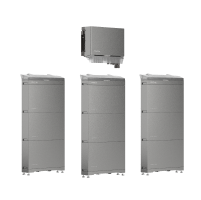
When planning your solar battery system, it’s not about just picking the biggest unit you can find; it’s about matching your home’s current and future needs. A system that’s too small won't cover your evening use, while one that’s too large might eat up your savings in upfront costs. Choosing a modular system is a smart way to go. The EcoFlow PowerOcean (Single-Phase) features a modular battery design, allowing you to start with 5kWh and expand as your family grows. This flexibility ensures you don't over-invest early, keeping your ROI sharp while still leaving room to move.
2. Monitor Energy Use to Avoid Waste
Even with a solid battery, you won't save much if you don't know where your power is going. If you're running the dryer at 8 PM when the battery is already half-empty, you might run out of juice before morning.
Using a monitor like the EcoFlow PowerInsight 2 lets you see exactly when to run appliances to avoid drawing from the grid. It gives you a real-time dashboard of your home’s energy flow, showing exactly what’s sucking power and how much your battery has left. By seeing your usage live, you can shift habits—like running the dishwasher during the day—to ensure your battery stays topped up for the night.
3. Combine With Other State or Local Incentives
Check if your local council has any "green loans" or if your state offers additional rebates. In 2026, some Virtual Power Plant (VPP) programs are even offering "bring-your-own-battery" bonuses, which can add another layer of income to your system.
4. Plan Installation Timing for Maximum Rebate
Timing is everything. With the May 1st, 2026 deadline approaching for the new tiered system, getting your installation finished in the first quarter of the year could save you thousands—especially if you're looking at a larger system (over 14kWh).

Conclusion
In 2026, the federal rebate cuts around $3,000 off the upfront cost for most Australian homes. By combining the federal STC discount with a smart, modular system like the EcoFlow PowerOcean and keeping an eye on your usage with the PowerInsight 2, you can practically eliminate your power bill and gain true energy independence. Just remember to act before the May 1st changes to lock in the highest possible rebate!
What kind of product or solution are you interested in?

FAQs
1. What is the rebate for a 10kw battery?
A 10kWh battery typically receives a rebate of approximately $3,190 to $3,480, depending on the current STC market price and whether it is installed before the May 2026 tapering begins.
2. How much does a solar battery cost after a rebate?
After the rebate, a high-quality 10kWh battery system in 2026 generally costs between $7,000 and $9,500 fully installed, depending on the brand and complexity of the setup.
3. Are solar rebates reducing in 2026?
Yes, the federal solar battery rebate is scheduled to introduce a tiered structure and lower STC factors starting May 1, 2026, which will reduce the total incentive, particularly for systems larger than 14kWh.
4. What is the highest solar rebate?
The highest rebates are currently found in NSW (where state and federal incentives can be stacked) or for residential systems installed before May 2026, which can exceed $10,000 for very large capacity setups.
5. Is it worth getting a solar battery in Australia?
Absolutely, as high electricity prices and falling Feed-in Tariffs mean that storing your own solar power now offers a much faster payback period, typically between 5 to 8 years for most Aussie homes.

