
How Much Does a Solar Battery Cost in Australia?
Opening your quarterly energy bill is starting to feel a bit like a horror movie. Even if you’ve got solar panels soaking up that legendary Aussie sunshine, plenty of households are still getting stung once the sun goes down. Peak evening rates, shrinking feed-in tariffs, and rising energy prices all add up fast. That’s where solar batteries really start to make sense.
If you’re fed up with donating your excess solar power back to the grid for a few cents, it might be time to look at storing that energy instead. So, how much does a solar battery actually cost in Australia in 2026, and is it worth it?
As a rough guide, a 10kWh solar battery system typically costs between $8,000 and $12,000 installed. But the real value isn’t just the price tag - it’s what a battery lets you do with your solar power.
Understanding Solar Batteries
Before diving into the costs, it helps to understand why modern solar batteries are becoming almost as common as a backyard barbie.
At its simplest, a solar battery is your home’s personal power bank. Instead of sending unused solar energy back to the grid, it stores that power so you can use it later - usually at night, when electricity is most expensive.
1. How a Solar Battery Works
During the day, your solar panels often generate more electricity than your household needs. Solar battery storage captures that surplus energy and stores it. Without a battery, that excess power gets exported to the grid for a relatively low feed-in tariff.
When the sun goes down - right when you’re cooking dinner, or blasting the TV - your home draws power from the battery first. Only when the battery runs low does your system pull electricity from the grid.
2. Benefits of Having a Solar Battery in Australia
For Aussie households, the benefits are pretty clear:
Lower power bills and less exposure to rising electricity prices
Backup power during blackouts, which is a big deal in regional areas
Better return on your solar investment as feed-in tariffs continue to fall
Factors Affecting Solar Battery Costs and Savings in Australia
Solar battery prices aren’t random. If you’ve ever wondered why one quote is thousands of dollars more than another, it usually comes down to a few key factors.
1. Battery Capacity and Storage Size
Battery size is the biggest cost driver. Capacity is measured in kilowatt-hours (kWh). Larger batteries cost more upfront, but they often deliver better value per kWh over time. For most Australian households, a 10kWh battery hits the sweet spot - enough to cover evening usage.
2. Battery Chemistry and Technology
Most modern solar batteries use Lithium Iron Phosphate (LFP) technology. While they cost a bit more than old-school lead-acid batteries, LFP batteries are safer, longer-lasting, and better suited to Australia’s harsh heat.
Many LFP batteries offer 3,000+ charge cycles and tolerate higher temperatures without degrading. Another important spec is Depth of Discharge (DoD). A higher DoD means you can use more of the battery’s capacity each cycle, giving you better value and faster payback compared to lead-acid batteries.
3. Brand and Warranty
Cheaper batteries can look tempting, but a premium one often comes with way better services. Reputable brands typically offer 10-year warranties and local Australian support. That peace of mind is worth paying for if something goes pear-shaped down the track.
4. Installation and Additional Equipment
Installation costs can vary depending on your home. Yes - the sparky still needs to be paid. An older switchboard, longer cable runs, or the need for a backup gateway during blackouts can all increase labour costs.
Typical Solar Battery Prices in Australia
Here’s a general guide to installed solar battery costs before rebates:
| Battery Size | Estimated Cost (AUD) | Best For |
|---|---|---|
| Small (≤5 kWh) | $4,000 - $6,000 | Small apartments or light evening use |
| Medium (5–10 kWh) | $7,000 - $11,000 | Average three-bedroom family homes |
| Large (≥10 kWh) | $10,000 - $16,000+ | High-demand homes or near off-grid set-ups |
How to Get the Most Value from a Solar Battery
Buying a solar battery is only half the story. How you use it makes a huge difference to your savings.
1. Maximising Solar Self-Consumption
Most solar homes generate plenty of power during the day but not enough at night. Without a proper storage system, that midday surplus is wasted while you pay premium rates after dark.
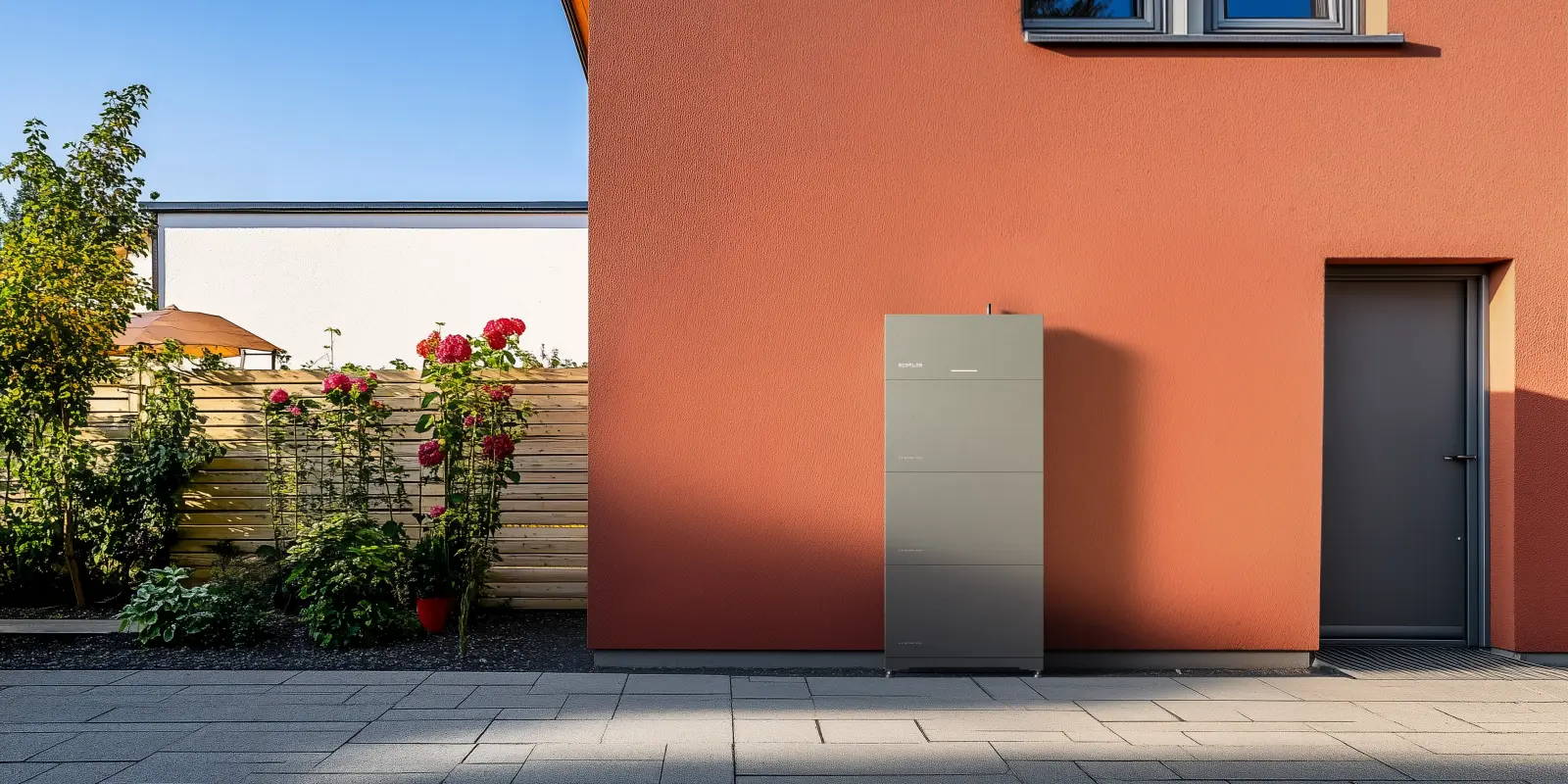
This is exactly the kind of situation the EcoFlow PowerOcean (Single-Phase) Home Battery Solution is built for. It’s an all-in-one system with a built-in inverter and modular design - you can start with 5kWh and scale up to 45kWh as your needs for energy grow. By automatically storing excess daytime solar and releasing it in the evening, it helps ensure every ray of sunshine works harder for your household.
2. Aligning Battery Usage with Household Demand
To speed up your return on investment, try load shifting. Run energy-hungry appliances like washing machines, dishwashers, or pool pumps during the day when solar production is high. That way, your battery stays fuller for the expensive evening period.
3. Smart Charging and Monitoring
One of the biggest mistakes homeowners make is flying blind. If you don’t know how much energy you’re generating or using, optimisation is impossible.
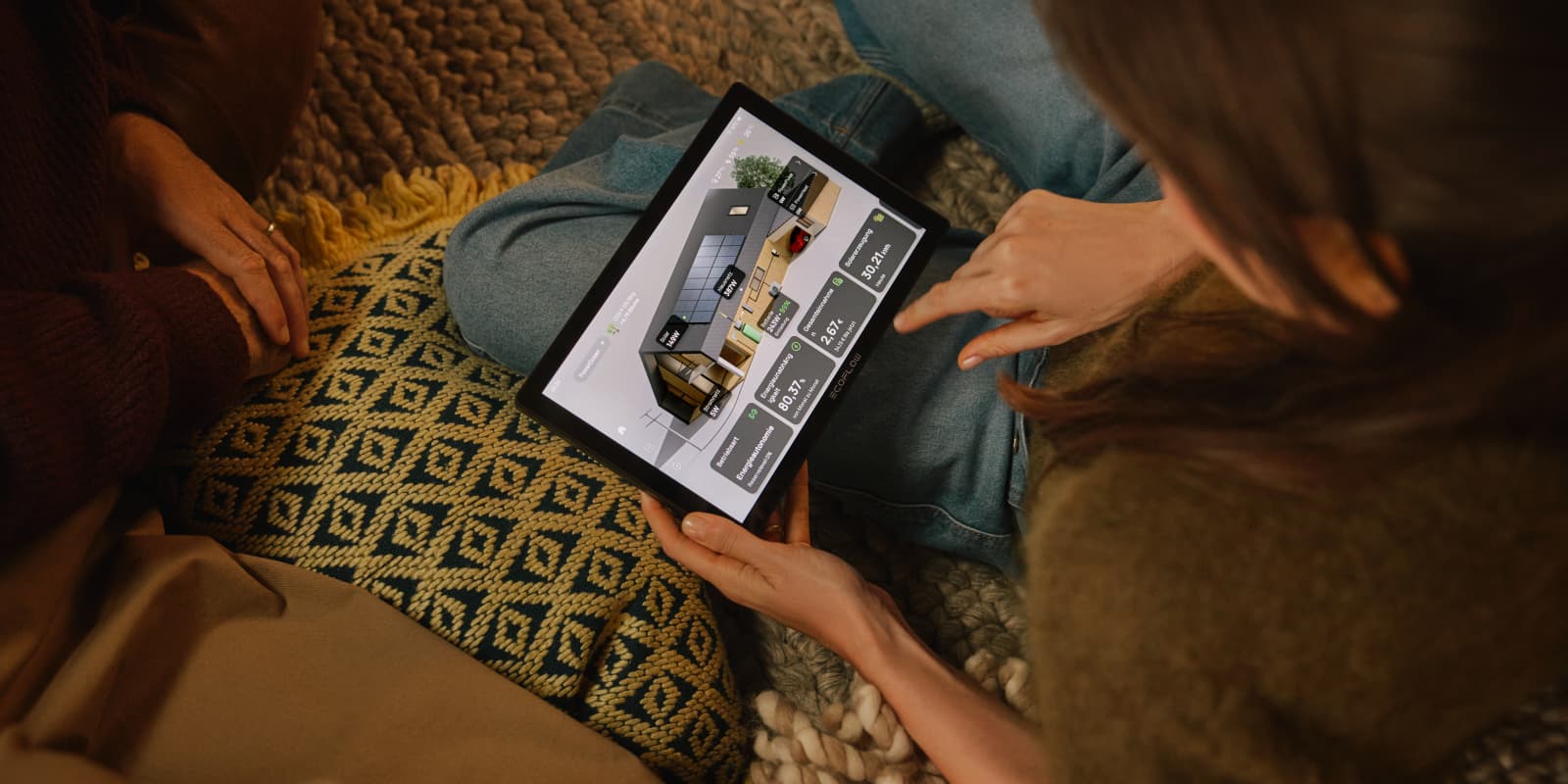
That’s where the EcoFlow PowerInsight 2 comes in. Its 11-inch touchscreen gives you a clear, real-time overview of solar generation, battery charge, and household usage. Instead of guessing, you can make informed decisions and squeeze more value out of your system with minimal effort.
Common Myths About Solar Battery Costs
Before signing anything, it’s worth clearing up a few myths you’ll hear at Bunnings or on local Facebook groups.
Myth 1: Higher Price Always Means Better Performance
Truth: Not necessarily.
Some batteries with bigger names charge more for their branding than for their performance. Focus on specs like Depth of Discharge (DoD) and cycle life. A mid-range battery with 100% DoD and 6,000+ cycles can outperform a pricier option with weaker-specs models.
Myth 2: Batteries Eliminate Electricity Bills Completely
Truth: We’d all love to tell our energy retailer where to shove it, but a true $0 electricity bill is still a bit of a pipe dream for most Aussie households.
Even if your solar battery covers your power use around the clock, you’ll almost always stay connected to the grid for backup. That means you’ll still pay the daily supply charge - the fixed cost of being hooked up to the network. Think of batteries as bill crushers, not magic wands that make your power bill disappear overnight.
Myth 3: All Batteries Require Constant Maintenance
Truth: If you’re picturing old-school batteries that need topping up with distilled water, relax - those days are well and truly behind us.
Modern lithium solar batteries are basically set and forgotten. They come with built-in Battery Management Systems (BMS) that handle the heavy lifting, like cell balancing and temperature control. Apart from the occasional visual check for dust or cobwebs, today’s solar batteries are designed to quietly look after themselves for 10 years or more.
What kind of product or solution are you interested in?
Conclusion
A solar battery is no longer just an eco-friendly add-on. It’s a practical way for Australian households to take control of rising energy costs. While the upfront price matters, the long-term savings and energy independence often make the investment worthwhile. With government rebates, scalable systems like the EcoFlow PowerOcean, and smart monitoring via PowerInsight 2, it’s easier than ever to turn Australia’s abundant sunshine into a real financial asset.
FAQs
1. How much does a 10kW solar battery cost in Australia?
Most 10kWh batteries cost between $8,000 and $12,000 installed, depending on the brand and installation complexity.
2. Is it worth getting a solar battery in Australia?
Yes, especially as electricity prices rise and solar feed-in tariffs fall. Batteries make it possible for you to use your own solar energy at night instead of buying it back from the grid.
3. How many years will a solar battery last?
Most lithium batteries last 10-15 years, and often come with 10-year warranties.
4. Can a solar battery power a house when electricity is down?
Yes, if your system includes a backup function or gateway designed to operate during a blackout. Always check this before buying.
5. How long does a solar battery last at night?
A 10kWh battery typically covers 8-12 hours of basic household use. Heavy loads like radiators and air conditioning will shorten that time.

