
Solar Batteries for Home: Cost, Savings, and Installation Considerations
If you’ve been watching your electricity bills climb higher than a kangaroo on a trampoline, you aren't alone. With the Aussie sun beating down, most of us have sorted out solar panels, but the real game-changer is how we keep that power for when the sun goes down. This guide breaks down everything you need to know about solar batteries in the Australian market—from the initial sting of the price tag to the long-term "sweet as" feeling of energy independence. We’ll cover how these systems play nice with the grid, what costs to expect, and how to pick a setup that won't leave you in the dark during a blackout.
How Do Solar Batteries Work in a Home Energy System
Before we talk dollars and cents, let’s look at the "how." It’s one thing to catch the rays; it’s another to bottle them up for a rainy day (or a humid Brisbane night).
1. How Solar Energy Is Stored and Used
Think of a solar battery like a massive power bank for your house. During the day, your panels soak up the sun and convert it into DC electricity. An inverter then turns that into AC power for your fridge and telly. Any "leftover" energy that you aren't using right then gets pushed into the battery cells rather than being sent back to the grid for a measly feed-in tariff.
2. How Batteries Interact with Solar Panels and the Grid
Most modern setups are "grid-hybrid." This means your home pulls from the solar panels first, the battery second, and the grid only as a last resort. If your solar batteries are full and the sun is still shining, you can still export to the grid. It’s all about creating a smart loop that keeps your reliance on the big power companies to an absolute minimum.
3. Benefits of Solar Batteries for Home Today
In the current climate, a battery isn't just a tech flex; it’s a practical necessity for many.
Rising Electricity Prices and Energy Uncertainty: Let’s be honest, power prices aren't going down anytime soon. A battery acts as a hedge against inflation.
Limits of Solar Panels Without Battery Storage: Without a battery, you’re basically "using it or losing it." Once the sun sets, you're back on the grid’s payroll.
Growing Demand for Energy Independence and Backup Power: There’s a massive peace-of-mind factor here. When the local transformer blows during a summer storm, having a backup means your beer stays cold and the lights stay on.
How Much Do Solar Batteries for Home Cost?
Let’s talk turkey. Buying a battery is a significant investment, and the "sticker shock" is real, but it helps to see the breakdown of where that money goes.
1. Average Solar Battery Prices by Capacity
In Australia, you’re generally looking at $800 to $1,500 per kWh of storage. For a standard 10kWh unit, you might spend anywhere from $9,000 to $14,000. While the upfront cost is a bit of a gut punch, the prices are slowly trending down as the tech matures.
2. Installation Costs and What Influences Them
The battery itself is only part of the bill. You’ve also got to pay a CEC-accredited sparky to wire it in. If your switchboard is ancient or if you need a specific "all-in-one" hybrid inverter, the labor and hardware costs will climb. A straightforward install might cost $1,500, but complex retrofits can double that.
3. Ongoing Maintenance and Replacement Costs
Thankfully, lithium-ion batteries are pretty low-maintenance. You’ll mostly just need to keep the area clean and ensure the firmware stays updated. Most batteries carry a 10-year warranty, so you should factor in a replacement cost somewhere around the 12-to-15-year mark.
What Savings Can Solar Batteries Actually Deliver?
Is it actually worth it? The "return on investment" (ROI) depends entirely on how you use your power.
1. Reducing Grid Electricity Consumption
The biggest win is the "offset." Every kWh you pull from your battery is a kWh you aren’t buying from the grid at 30 or 40 cents. Over a year, those cents turn into hundreds (or thousands) of dollars.
2. Maximising Self-Consumption of Solar Energy
"Self-consumption" is the holy grail of solar. By storing your midday excess and using it during the evening peak, you're getting the full value of every photon your roof captures.
3. Time-of-Use Tariffs and Peak Rate Avoidance
If you’re on a Time-of-Use (ToU) plan, the power companies charge a premium between 4 PM and 9 PM. This is exactly when a battery shines—it covers your "Peak" usage so you only ever use grid power during "Off-Peak" (cheaper) hours.
4. Long-Term Return on Investment Expectations
Most Aussie households see a "break-even" point at around 7 to 10 years. With government rebates available in certain states (like Victoria or NSW), that timeline can shrink even further.
What Factors Affect the Performance and Value of a Solar Battery?
If you buy a system that's too small, you're wasting money; too big, and you’re paying for storage you'll never use.
1. Battery Capacity and Power Output
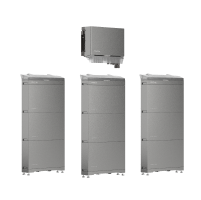
Battery capacity and power output directly determine whether the stored electricity can meet your household's daily and peak electricity needs. Insufficient capacity may mean that excess solar power during the day cannot be stored, making it unavailable during the night or peak hours, which reduces the value of energy storage. The EcoFlow PowerOcean (Single-Phase) System is a crackin' example of versatility here; it offers an adjustable capacity of up to 45kWh. This allows it to match different household needs while providing high discharge power to support heavy appliances, ensuring your system stays stable even when the AC and the dryer are running at the same time.
2. Household Energy Usage Patterns
Your "load profile" is the DNA of your energy savings. If you’re home all day, you might not need a massive battery. But if the house is empty until 6 PM, you need a serious storage solution. To get a handle on this, the EcoFlow PowerInsight 2 provides real-time monitoring of home energy and storage status. It displays solar generation, battery levels, and live usage data. By seeing exactly where the power goes, you can schedule your appliances and battery discharge to squeeze every drop of economic value out of your system.
3. Solar System Size and Efficiency
If you only have a 3kW solar array, you’ll struggle to fill a large battery in winter. You need enough "excess" generation to actually charge the thing. Ideally, you want a solar array that is slightly oversized compared to your solar battery storage capacity to ensure you can reach a full state of charge even on overcast days.
4. Local Electricity Pricing Structures
If your provider offers a decent feed-in tariff (unlikely these days!), the battery might take longer to pay for itself. However, if your "supply charge" and "peak rates" are through the roof, the battery becomes a financial lifesaver.

Practical Setup Considerations for a Home Solar Battery
Ready to pull the trigger? Here’s how to make sure the installation goes off without a hitch.
1. Preparing the Installation Site
Most batteries need a cool, well-ventilated spot. While many are IP65 rated (meaning they can handle a bit of Aussie weather), keeping them out of direct afternoon sun will extend their lifespan significantly. A garage or a shaded side-wall is usually best.
2. Electrical Connections and Wiring Requirements
Your installer will need to check if your home is Single-Phase or Three-Phase. Systems like the PowerOcean are designed to integrate seamlessly with existing solar setups, but you’ll still need a dedicated circuit breaker and potentially a "smart meter" installed in your main board.
3. Ensuring Safety During Setup
Lithium-ion batteries are very safe, but to maximise safety and lifespan, there are a few practical things to consider beyond just following AS/NZS 5139 standards:
Installation Height: Mount the battery at least 30–50 cm off the ground to avoid water ingress and allow for easy maintenance.
Temperature Limits: Keep the battery in a shaded, well-ventilated area, ideally between 10°C and 35°C. Extreme heat or cold can reduce battery efficiency and lifespan.
Ventilation Requirements: Ensure at least 10–15 cm clearance on all sides for airflow; avoid enclosed cupboards or near heat sources like hot water tanks.
Distance from Habitable Rooms: Install away from bedrooms or living areas if possible, so that any rare fault does not pose risk to occupants.
Certified Installation: Only use a CEC-accredited electrician, and always get a Certificate of Electrical Safety.
Following these guidelines helps your solar battery last longer, perform better, and keeps your home safe—plus, it keeps you eligible for warranties and government incentives.
4. Post-Installation Checks and Initial Operation
Once the spark is finished, don't just walk away. Check the app (like the EcoFlow app) to ensure the battery is charging and discharging as expected. It usually takes a few days for the software to "learn" your habits and optimize the flow.
What kind of product or solution are you interested in?

Conclusion
Dropping a few grand on a battery in 2026 isn't a small ask, but honestly? It’s probably the smartest play you can make for your place. Instead of just copping those massive electricity bills on the chin, you’re actually taking control. Once you’ve got a solid system like the PowerOcean tucked away in the garage, linked to a VPP for extra credits, and you're keeping an eye on the numbers via your phone, that 'grid anxiety' just disappears. You aren't just saving money; you're building a sustainable, independent future for your home.
FAQs
1. How much is a 10kW solar battery for a house?
A 10kWh solar battery typically costs between $10,000 and $15,000 including installation in Australia. The final price depends on the brand, the complexity of your home's wiring, and whether you need a new inverter to go with it.
2. Can I install a solar battery myself?
No, you cannot legally or safely install a grid-connected solar battery yourself in Australia. All battery installations must be performed by a CEC-accredited electrician to comply with Australian safety standards and to remain eligible for government rebates and warranties.
3. What size solar batteries do I need for my house?
Most Australian homes find the "sweet spot" with a battery between 10kWh and 15kWh. To find your specific needs, look at your bill for your "overnight usage"—you want a battery that can cover your electricity consumption from sunset to sunrise.
4. Is it better to have 2 100Ah batteries or 1 200Ah battery?
While portability fans often talk in Amp-hours (Ah), for home storage, we focus on kiloWatt-hours (kWh). To put it in perspective, a 12V 200Ah battery is roughly 2.4kWh. Generally, one larger unit (like a 5kWh or 10kWh stack) is superior for home use. It simplifies the wiring, reduces points of failure, and integrates better with high-voltage smart inverters. However, modular systems like the PowerOcean allow you to stack units, giving you the best of both worlds: the reliability of a single system with the flexibility to expand later.
5. What is the lifespan of a solar battery?
Most modern lithium-ion solar batteries are designed to last between 10 and 15 years. Most manufacturers provide a warranty for 10 years or a certain number of "cycles" (usually around 6,000 to 10,000 charges).

