
How to Maintain Comfort During SA Power Outages
South Aussies know the drill — storms roll through, temps climb, and the power can drop out just like that. A bit of wild weather or the grid under pressure in the heat, and you’re left fumbling for torches. There's nothing worse than lukewarm beer and a house that feels like an oven, right? We’re looking at why our local power setup is a bit temperamental and how you can prep like a pro.This guide runs through why outages happen here, how to prep properly, and how to stay sorted when everything switches off.
Why Do Power Outages Happen in South Australia?
Before we talk about fixes and workarounds, let’s quickly run through why the power cuts out to begin with. Our neck of the woods has a unique energy landscape that keeps the technicians at SA Power Networks busy.
1. Weather and Natural Causes
Usually, it's just the weather causing the grief. We get those wild winds off the coast that'll flatten poles in a heartbeat, or lightning strikes that start fires and trip the fuses. Then you've got the heat—once it hits 40-odd degrees, the transformers start to struggle and the overhead lines literally start sagging under the pressure. It’s a lot for the gear to handle.
2. Grid Maintenance and Unexpected Failures
Not every outage’s a big event. Sometimes it’s scheduled work on old infrastructure, other times a bit of equipment just packs it in, or a rogue car hitting a pole or a bit of local wildlife getting too close to a transformer can plunge a suburb into darkness in seconds.
3. Impact of Renewable Energy Integration
We’re world leaders in renewables, which is brilliant, but it does make our grid a bit "fidgety." Between solar panels everywhere and wind power in the mix, the system’s constantly adjusting. Many locals are now turning to solar batteries to help stabilise their own home's supply when these grid fluctuations occur. If things get out of balance at the wrong moment, it can trip out to avoid bigger problems.
What Are the Biggest Challenges During a Power Outage?
When the power’s gone, it’s not just a lighting issue. The whole household rhythm takes a hit. Here’s what cops it first:
1. Maintaining Comfortable Indoor Temperatures
In SA, "comfortable" is a relative term. In mid-January, a house without an aircon becomes an oven within an hour. Conversely, a winter outage in the Adelaide Hills can leave you shivering. Without power, your climate control is gone, making temperature management the number one priority.
2. Keeping Food and Water Safe
Nobody’s keen on tossing expensive meat and milk in the bin. The moment the fridge dies, the countdown is on. Trying to keep the esky chilled and making sure the freezer contents don't end up as a puddle on the tiles is a major stressor when the grid decides to pack it in.
3. Staying Connected for Communication
In a blackout, your phone’s everything and the first thing you reach for. Checking the SA Power Networks status or seeing which neighbours are still powered up — the last thing you want is it flat.
4. Managing Comfort and Mental Well-being
Being in the dark with no internet and a hot house is just… ugh. But you know what helps? Keeping some of the little comforts going — a cuppa from the kettle, a bedside lamp, even a tiny fan — it’s amazing how much it makes everything feel a bit more normal and stops you from losing your mind.

How to Prepare and Stay Comfortable During a Power Outage
Preparation is the difference between a "camping adventure at home" and a total disaster. Whether it's stocking the pantry or investing in solar battery storage, here is how to keep your cool when the grid gives up.
1. Set Up Reliable Backup Power
Power cuts don’t just mean sitting in the dark — your fridge stops, the heater stops, and anything else you rely on stops too. Here in South Australia, a summer heatwave or a chilly winter day can turn a blackout into a proper comfort nightmare if you’re not prepared. Having some kind of backup plan just takes that stress away. It’s about keeping the house liveable until the grid is back up.
You should definitely check out those portable power packs or a house battery. They’re worth their weight in gold for your sanity. As soon as the power trips, they take over and keep the essentials going—fridge, fans, the lot. It’s a massive relief being able to charge your gear or put the kettle on without stressing over the clock every five minutes.
The EcoFlow PowerOcean (Single-Phase) is pretty common in SA homes with up to 6kW output, it keeps fridges, heaters, and kitchen appliances running smoothly. Honestly, even a smaller setup makes a world of difference when the grid packs it in.
2. Stock Essential Supplies Effectively
Don't wait for the clouds to turn grey to check your pantry. Keep a dedicated "Outage Kit" that includes:
High-quality torches (and spare batteries).
A manual can opener.
Non-perishable snacks that don't require cooking.
A basic first-aid kit.
3. Maintain Indoor Temperature Efficiently
You've really gotta be smart with the house when the grid fails. In summer, get those curtains shut immediately. If you're melting, a wet towel in front of a fan makes a massive difference, and honestly, just stay out of the kitchen so you aren't adding extra heat.
In winter, do the opposite: open curtains during the day to soak up the sun’s warmth, then close them at night to trap heat inside. Layer up with clothes, wrap yourself in thick blankets, and keep a hot water bottle in bed — it makes a huge difference when heaters aren’t running. Every little gap you plug makes the place a bit more livable.
4. Manage Your Backup Power During SA Blackouts
Running on backup? It pays to watch your energy use. Knowing which appliances draw the most power means you can prioritise what stays on — maybe the fridge over the heater — helping your backup system last longer and keeping the house comfortable.
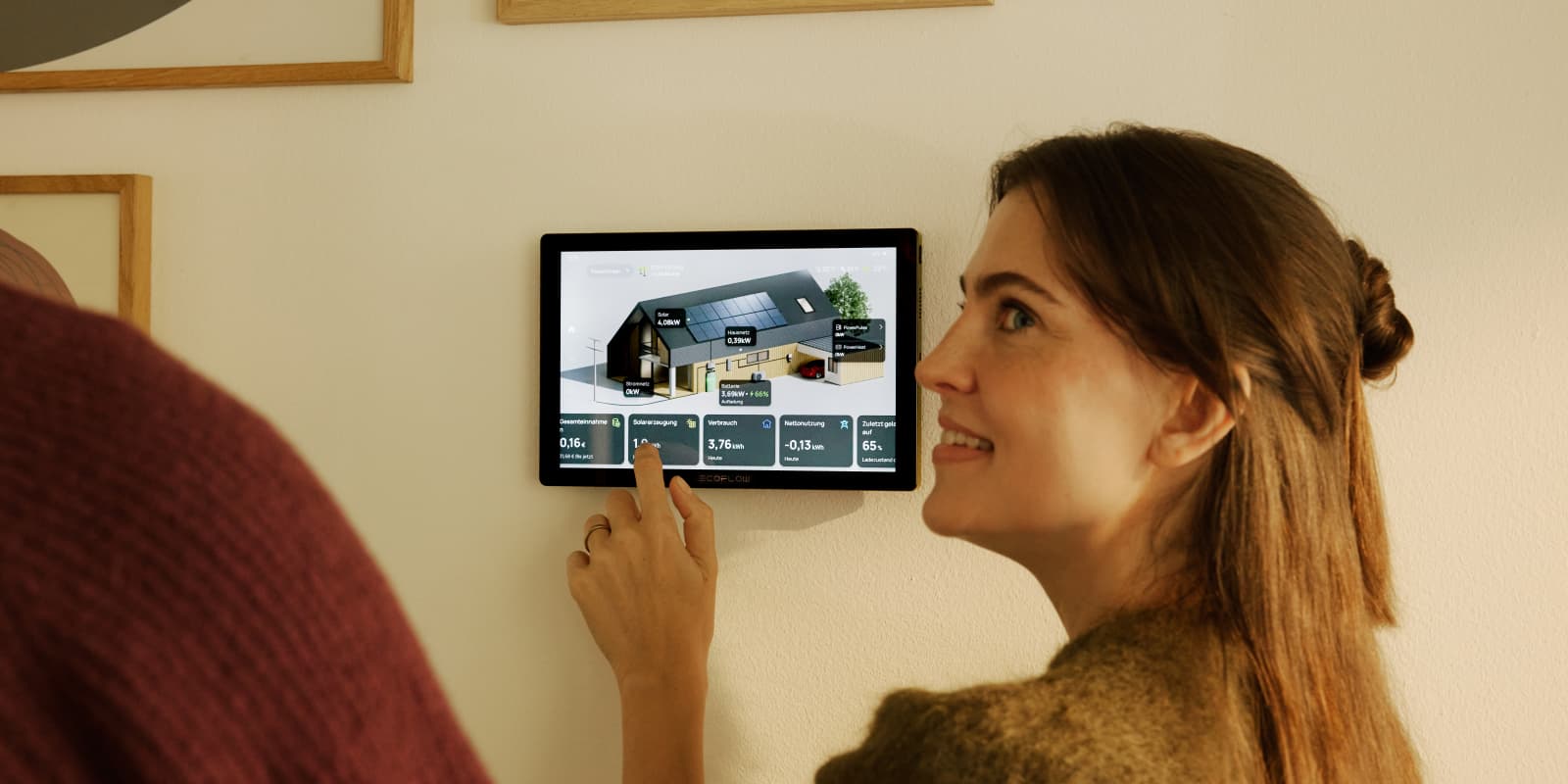
Many households use tools like the EcoFlow PowerInsight 2 as an example. It provides a real-time “dashboard” of energy consumption, helping you see exactly what’s using the most juice and make smarter decisions during an outage.
What to Do After Power Returns
Once the hum of the fridge returns, don't just go back to sleep. There are a few quick chores to handle:
1. Check Your Backup System Recharges Properly
Ensure your backup battery or portable power station has automatically kicked back into "charge mode." You want it topped up and ready for the next round.
2. Plug in Electronics Gradually
When the power returns, go slow. The grid can be unstable for a little while, so make sure to plug in sensitive devices — computers, TVs, anything delicate — one at a time to avoid surges.
3. Inspect Refrigerated Food
Give the milk a sniff test and check the freezer. If things have stayed shut, you're likely fine for up to 4 hours, but anything that feels "room temp" should probably go in the bin.
4. Refill Emergency Supplies
Used up all your bottled water or batteries? Pop them on the shopping list now. Being caught short next time is the last thing you need.
What kind of product or solution are you interested in?


Conclusion
Blackouts in South Australia can be like those annoying magpies in spring — a hassle, but nothing you can’t deal with if you’re prepared. Know the grid, keep your home sealed up, and invest in a smart backup system like the EcoFlow PowerOcean, and suddenly blackouts aren’t something to stress over. You can just relax and enjoy your home, whatever the weather.
FAQs
1. How do I check if there has been a power cut in my area?
Just pop onto the SA Power Networks “Outage Map.” You can see real-time updates, the reason for the outage, and roughly when the power should be back.
2. Should you unplug your TV when the power goes out?
Absolutely. Power spikes when electricity is restored can fry delicate components in TVs and other devices, so unplugging them is a quick safety move.
3. What's the first thing to do when power returns?
Lights on? Check the fridge, reset the oven clock, and hit the fuse box if a breaker tripped. Once that’s sorted, you’re back in business.
4. Can a freezer keep food cold without power?
Your freezer's basically a big esky once the power's out. If it’s full, you're usually fine for two days, but if there's a bit of air in there, it’ll start thawing after 24 hours. Just leave the door alone. And definitely don't risk it with the perishables—if the meat looks or smells a bit wonky, chuck it.
5. What foods spoil fastest without power?
Dairy and meat are the big ones. The second the temp climbs, they start going off. The rule of thumb is if they’ve been warm for over two hours, they’re goners. Honestly? Just bin the soft cheeses and the milk if you're in doubt.

