
How to Survive Power Outages Lasting 24 Hours: Tips for Homes and Families
Whether it’s a summer bushfire taking out power lines, a wild East Coast Low bringing down trees, or a routine grid failure by Ausgrid or Endeavour Energy, power outages are a familiar Aussie experience. Most of the time, it’s no big deal. But when the blackout drags on for 24 hours or more, things can go south quickly. It’s not just about finding the torches; it’s about keeping the fridge cold, the kids entertained, and the house safe.
This guide covers what to do the moment the lights go out, how to stay comfortable through a full-day outage, and the smarter long-term solutions, like home battery backup, that let you carry on as normal while the rest of the neighbourhood is eating defrosting ice cream.
What Are the First Things You Should Do When the Power Goes Out?
The first 10 minutes of a power outage matter more than most people realise. Panic later, and do these things in order first:
1. Do a quick home safety check
Grab a torch and do a lap of the house. Make sure nothing dangerous was running when the power cut, like irons or the stovetop. If it’s a scorcher, shut windows and blinds early to trap whatever cool air you’ve got left. Once the house heats up, there’s no going back.
2. Work out if it’s just you or everyone
Step outside and check the street. If neighbours are also in the dark, it’s likely a grid issue. Check your electricity distributor’s outage map online for updates and estimated restoration times.
3. Check your switchboard
Sometimes a “blackout” is just a tripped safety switch or circuit breaker. If only one circuit is flipped, you may be back up and running in seconds. If everything looks normal and the whole street is out, time to settle in - it could be a long one.
4. Unplug sensitive electronics
When power comes back, voltage spikes can damage electronics. Unplug your TVs, computers, and kitchen appliances. This risk is a major reason why many homeowners now integrate solar batteries with built-in surge protection into their systems. Regardless of your setup, leave one light switched on so you can feel that small emotional win when the power finally returns.
How Do You Stay Safe And Comfortable When the Power’s Out?
Once you accept this isn’t ending anytime soon, it’s all about damage control and keeping everyone in the house reasonably sane.
1. Dress like the power’s not coming back soon
If it’s a humid Queensland afternoon, light cotton and staying downstairs is your best choice. If you’re dealing with a winter outage in the Blue Mountains or regional Victoria, layer up early. Waiting until you’re already freezing is a rookie mistake.
2. Protect your food and water
Keep fridge and freezer doors shut. Every peek costs you cold air. As a rule of thumb, a fridge stays cold for about four hours, and a full freezer can last up to 48 hours if you leave it alone. If your water comes from an electric pump, make sure you’ve got bottled water handy too.
3. Set up a “base camp”
Pick one room - usually the lounge - and make it your blackout HQ. LED lanterns are far safer than candles, especially in dry Aussie conditions where fire risk is no joke.
4. Save phone battery for emergency updates
This is not the time to doom scroll Instagram for two hours. Drop your screen brightness, turn off Bluetooth, and use your phone mainly for SES, weather alerts, and letting people know you’re safe but mildly annoyed.
How to Keep Your Home Powered During a Blackout Automatically
Traditional blackout survival often involves candles and a noisy petrol generator. Modern home energy tech lets you skip that chaos altogether.
1. Choose a seamless home battery backup
Traditional methods for coping with power outages often rely on flashlights and candles. To maintain the normal operation of a modern home, a home energy storage system with automatic switching is essential.
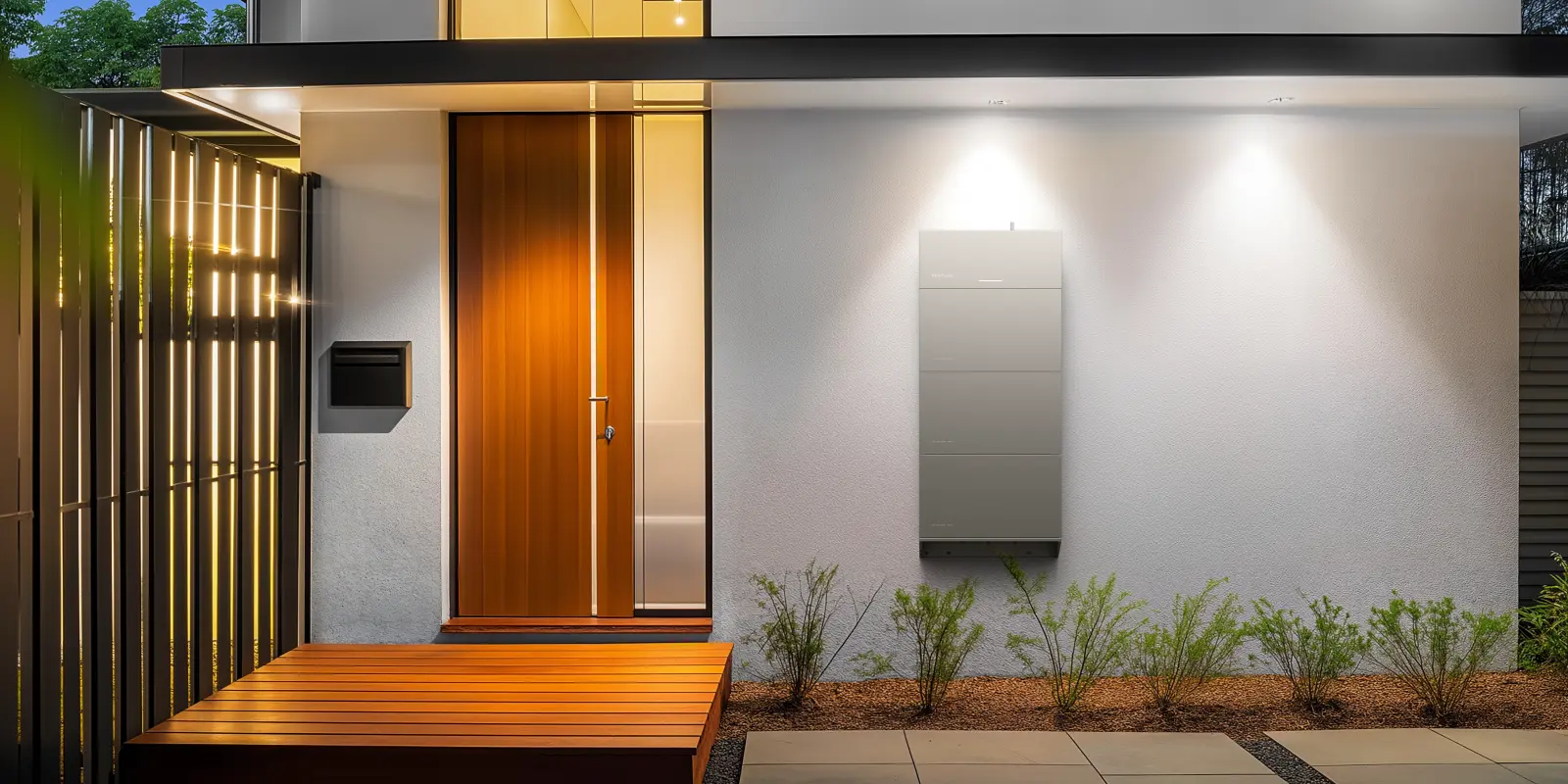
The EcoFlow PowerOcean(Single-Phase) is an integrated home storage solution that provides seamless switching to backup power during a grid outage, ensuring continuous electricity for lighting and critical appliances. With a reliable lifespan of up to 15 years, it ensures that even during prolonged outages caused by extreme weather, households can enjoy the safety and independence offered by clean energy.
2. Track energy usage with smart displays
Guessing battery life during a blackout is stressful. The EcoFlow PowerInsight 2 solves that with an 11-inch touchscreen showing real-time energy use and how long your backup will actually last based on what’s currently running - not just a vague percentage. Its AI Energy OS can automatically prioritise essentials (fridge stays on, TV takes a back seat), helping you stretch your power without thinking about it.
3. Pair batteries with solar panels for 24/7 charging
Australia has sunshine in abundance, even during outages, so don't just rely on what's in the tank. Pairing your battery system with solar panels means you can recharge during the day, turning a 24-hour blackout into an indefinite backup solution.
4. Upgrade to a long-lasting lithium battery
Modern systems like PowerOcean use LFP (LiFePO4) battery chemistry, which is safer, lasts over 15 years, and copes far better with heat than older battery types. They can handle Australian heat much better, making them ideal for indoor home installations.
5. Expand capacity with modular batteries to extend backup time
Every household uses power differently. Modular systems let you start small, say 5kWh, and scale up to 45kWh as needed. Bigger house? More devices? Simply stack extra modules to comfortably ride out long outages.

What Should You Do After the Power Comes Back On?
When the lights finally come back on, don’t rush to celebrate. There are a few important checks before returning to normal.
1. Check your home backup system is recharging
Check your smart display or app to make sure your batteries are topping up from solar or the grid. This is also the best time to review your Home energy management system (HEMS) to see how your home performed during the outage and ensure you're fully prepared for any potential second wave of cuts.
2. Plug back your major electronics slowly
Give the grid a few minutes before plugging everything back in. Turning on the air con, PC, and oven all at once is asking for trouble, as it might get you caught up in a local surge.
3. Double-check your food
If the power was out longer than 4 hours and your fridge temperature went above 4°C, high-risk foods like meat and dairy may become dicey. When in doubt, it’s best to throw it out.
4. Restock your emergency supplies
If you used up your bottled water, batteries, or first aid items, restock them straight away. Blackouts rarely give you a polite warning before they strike again.
What kind of product or solution are you interested in?


Conclusion
In Australia, power outages lasting 24 hours or more can disrupt daily life quickly. Being prepared is essential: check your home for safety, protect food and water, and conserve phone batteries. Modern solutions like home battery backups, smart energy displays, and solar integration help keep essential appliances running during extended blackouts. Planning ahead and keeping emergency supplies on hand ensures homes remain safe, comfortable, and manageable when the power goes out.
FAQ
1. What foods spoil fastest without refrigeration?
Raw meat, poultry, fish, and dairy products like milk, yoghurt, or soft cheeses spoil the quickest. Any perishable food above 4°C for more than two hours should be discarded to avoid any possible food poisoning.
2. What are 10 items for a 24-hour survival kit?
A basic 24-hour kit should include a torch, extra batteries, a first aid kit, 3 litres of water per person, non-perishable snacks, a battery-powered radio, a portable power bank, essential medications, a multi-tool, and an emergency blanket.
3. Can I flush the toilet if the power is out?
Yes, but usually once. After that, you’ll need to manually refill the cistern if your water relies on an electric pump. City sewer systems generally work fine without power, but septic systems with electric aerators should limit water use.
4. How to keep pipes from freezing during a winter outage?
During extreme cold snaps, to prevent pipes from freezing, leave taps dripping slightly and open cabinet doors to allow warm air to circulate. This mainly affects colder regions like Tasmania, the Snowy Mountains, and the alpine areas of Victoria.
5. How long can mayo last in the fridge without power?
Commercial mayonnaise can last up to 8 hours if the fridge door stays shut. If it exceeds 10°C for more than 2 hours, don’t risk it.

