
Off-Peak Electricity Times Explained: A Simple Guide to Lower Bills
Many Aussies pay high power bills without understanding when electricity really costs more. Prices change during the day, and some hours quietly make your electricity bill much higher. When demand is high in the evening, many retailers start charging a higher rate. Late at night and early in the morning can be cheaper on some plans.
By knowing your plan and off-peak electricity times, you can shift smartly. Simple changes, like running the washer later, can make a real difference. This guide helps everyday households use time‑based tariffs to cut power costs.
Peak & Off-Peak Electricity Times: What They Mean for Daily Energy Use
Electricity does not always cost the same price at every hour of the day. Some hours are more expensive because many people use power at the same time. Other hours are cheaper because demand is lower and the grid is much less busy. Knowing this simple difference helps you choose when to run big appliances and cut bills.
What Is Off-Peak Electricity?
Off-peak electricity is the power you use during the quiet times on the grid. During these hours, fewer homes and businesses use electricity. Because demand is lower, it is cheaper for providers to supply power. They often reward customers with lower prices during these off-peak periods.
These hours are commonly late at night or early in the morning. If you can run flexible appliances, then you often pay less for the same usage. This is why many households try to shift things like washing and dishwashing into off-peak times.
What Is Peak Electricity?
Peak electricity is the power you use during the busiest times on the grid. These are usually the hours when people are home cooking, heating, or cooling. Demand is high, so networks and retailers face more strain and higher costs. To manage this, they charge higher rates and encourage people to shift some usage. Knowing when peak hours apply helps you avoid running big loads at expensive times.
Here are a few simple tips to keep in mind during peak hours:
Peak hours usually fall on weekday afternoons and evenings when demand is strongest everywhere.
Try to avoid running dryers and dishwashers at these busy, expensive evening times.
Use timers so flexible appliances run later instead, after the main peak finishes.
When is Peak & Off-Peak Electricity in Australia? Typical Time Ranges
Electricity plans with time‑based pricing split the day into busy and quiet periods. Busy periods usually cost more, while quiet periods often come with cheaper rates. Across much of Australia, evenings on weekdays are treated as the busiest time. Late nights and early mornings are often treated as the quietest time. Exact hours still depend on your specific plan and local network.
Typical Daily Time Windows
Time‑based plans have a busy daytime or evening block and a cheaper overnight block. In many cases, the busy block runs across the afternoon and early evening on weekdays. Many households think of these busy periods as peak electricity times in their plan. Overnight blocks commonly run from late at night through to early morning. The table below gives a simple example of how these time windows can look:
Common Regions | Common Peak Hours | Common Off‑peak Hours | Notes |
|---|---|---|---|
NSW / ACT | 2 pm – 8 pm | 10 pm – 7 am | Hours vary by plan and network. |
VIC | 3 pm – 9 pm | 11 pm – 7 am | Some plans add shoulder periods. |
QLD | 4 pm – 8 pm | 10 pm – 7 am | Weekend hours may be different. |
Differences by State, Provider, and Season
Time windows can change between states, networks, and retailers on similar plans. One state might treat mid‑afternoon as busy, while another focuses on evening hours. Some plans also adjust hours between summer and winter in different areas. Weekends and public holidays may be priced differently, sometimes as shoulder or cheaper periods.
Why Peak-Hour Electricity Costs More
Prices of electricity rise in busy times due to the simultaneous power usage by homes and businesses. Network lines and generators must handle this higher load, costing more to build and run. Providers set higher rates in these busy periods to recover those extra costs. Many households see late afternoon to early evening on weekdays, around 3 pm to 9 pm, as common peak hours for electricity.
During these busy times, more power stations or extra generation may need to come online. That extra supply can be more expensive than meeting demand at quieter times. Higher prices also encourage some people to move flexible usage into cheaper periods. This mix of higher costs and behaviour change is why peak hours usually cost more.
What Happens When Demand Spikes
Here is what happens on the grid when demand suddenly rises.
People get home and use cooking appliances and heating or cooling at the same time.
Heavy appliances like air‑conditioners, dryers, and ovens draw a lot of power together.
Higher demand puts extra strain on the grid and can require more expensive generation.
These pressures are one reason bills are higher when you use power in busy periods.
Smart Home Tips Built Around Off-Peak Electricity Times
Smart devices use home internet and simple controls to manage power use. Some setups turn appliances on and off at set times to match cheaper hours. The following tips give simple ideas for using smart gear with cheaper power.
Use Appliances When Power is Cheap
Try to use dishwashers and washing machines later at night and early mornings. Avoid turning them on straight after work when most people are using power. Planning around electricity peak and off-peak times can lower your regular costs.
Charge Electric Vehicles When Demand Is Lower
Set your electric car charger to start late at night or before sunrise. Most households are asleep then, so overall demand on the grid is lower. You still wake up to a full battery ready for the next day. This simple habit cuts your EV charging cost without changing how you actually drive.
Adjust Heating and Cooling Around Cheaper Periods
Try pre‑heating or pre‑cooling your home before the busy evening hours start. Close curtains and doors to help keep the indoor temperature steady for longer. Use timers so heaters or air‑conditioners switch off before the most expensive hours. Small changes like this reduce power bills and still keep your place comfortable.
Use a Home Battery to Shift Cheaper Energy
Home battery storages are designed to store cheaper energy and supply it later when needed. This is where EcoFlow Home Battery Solutions helps by storing energy for busy times and automating energy use for convenience with solar power. The stored power can support key appliances during outages, peak tariff hours, and automated schedules. Over time, this can cut grid use and lower household energy bills.

Best EcoFlow Battery Options For Your Home
The table below outlines EcoFlow batteries that can help manage off-peak electricity hours:
Product | Ideal for | Key Aspects | What it Can Power |
|---|---|---|---|
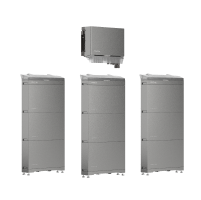
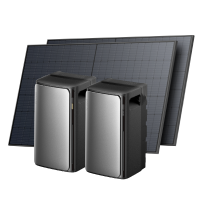
Small to medium single‑phase homes | Starts at 5 kWh, expandable up to 15 kWh on one inverter; long‑life LFP battery chemistry | Important circuits such as lights, a fridge, home Wi‑Fi, and several small appliances | |
Bigger homes with three‑phase supply | Modular design; up to around 45 kWh capacity; up to 12 kW backup output | Several air‑conditioners, main kitchen circuits, water pumps, and other key household loads | |
Homes with large solar arrays and light commercial sites | Up to 40 kW PV input, 29.9 kW AC output; expandable up to 180 kWh; IP65 rating | Most or all home loads, or small business equipment, including multiple heavy‑draw appliances at once |
You can speak with EcoFlow energy consultants to understand the best setup for your home and tariff.
What kind of product or solution are you interested in?

Use Smart Tools to Control Home Energy
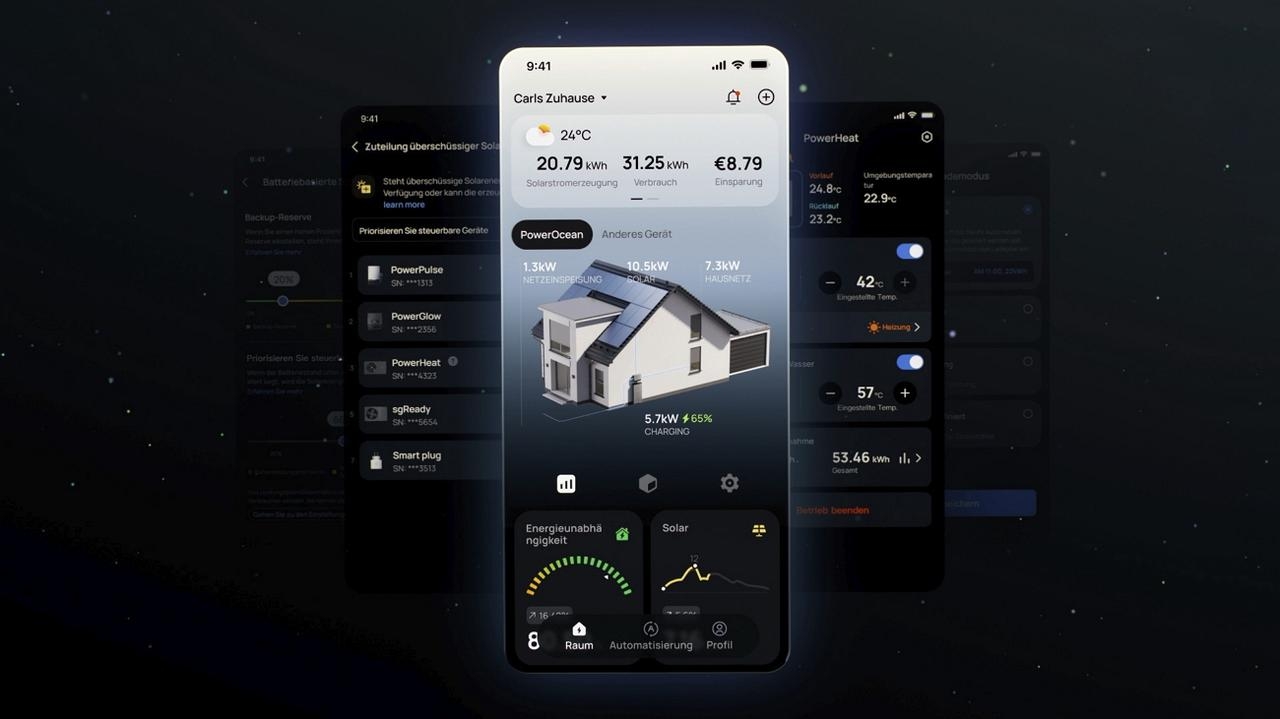
Smart management systems help line up home energy use with cheaper power times. The EcoFlow app lets users track solar and battery use to set schedules that match their plan's peak electricity times. It can also automate when certain loads run, so more usage lands in cheaper periods without constant checking.
Conclusion
In conclusion, off-peak electricity times give households a clear path to lower bills. Using simple timers and smart settings can move many heavy loads into cheaper hours. Families who learn their plan's time windows gain better control over everyday energy costs. With home solar batteries and the smart management app by EcoFlow, you can lock in lasting savings.
FAQs
1. What is the cheapest time of day to use electricity?
The cheapest time is usually late at night, when demand on the grid drops. Some plans are also cheaper in the middle of the day with solar. Exact cheap times depend on your provider, meter type, and location details. EcoFlow home batteries can store solar power and cheaper energy for use during expensive periods.
2. What hours are off-peak electricity?
Off‑peak power often runs from late evening until early morning on many plans. Some companies also offer cheaper shoulder times between peak and off‑peak price periods. The exact off‑peak window is listed in your plan or online account. Knowing your electricity off-peak times and using EcoFlow storage can boost savings.
3. Who has the cheapest night rate of electricity?
The cheapest night rate changes often, and it depends on where you live. Retailers update prices, discounts, and special offers at different times during the year. Use comparison sites and plan fact sheets to compare several options side by side. This approach finds a deal that suits your usage, not just the headline price.
4. Is the weekend off-peak hours?
Some plans count most weekend hours as off‑peak, but others still charge more. Other tariffs split weekends into peak, off‑peak, and shoulder blocks across the day. Only your specific plan document can confirm how Saturday and Sunday prices actually work. In some homes, weekends still include electricity peak hours when demand and prices are higher.
5. What should I turn off at night to save electricity?
Turn off lights in empty rooms and any unused televisions, computers, or monitors. Unplug spare fridges and freezers if they are not storing important food. Switch off portable heaters, fans, and air‑cons in rooms no one uses. Also, reduce standby power by turning off power strips or wall switches where possible.

