
Off Grid Solar System Explained: Everything Australians Need to Know
If you’ve ever opened your power bill and felt that familiar hit of bill shock, or you’re planning a move to the Aussie bush, going off-grid has probably crossed your mind. With electricity prices climbing and solar tech improving fast, living without the grid is no longer just for remote cattle stations or hardcore preppers.
In this guide, we’ll break down what going off-grid means, how it performs in Australian conditions, how much it costs, and whether it makes sense for your lifestyle and your wallet.
What Is an Off Grid Solar Set-Up?
An off grid solar system works like your own private power station. Unlike most Australian homes that rely on the electricity grid, an off grid system is completely self-sufficient. You generate your own power, store it in batteries, and use it whenever you need - all without any connection to energy retailers.
1. Grid-Tied vs Off-Grid Solar: What’s the Difference?
The main difference comes down to backup and independence.
A grid-tied system exports excess solar power back to the grid, which helps reduce your bills. That said, it shuts down during blackouts for safety reasons.
An off-grid system uses batteries to keep your home powered 24/7. Even when the rest of the neighbourhood goes dark, your lights stay on. Because you’re in full control of your own energy.
2. Benefits of Going Off Grid in Australia
Australia is practically made for solar. With plenty of sunshine and rising infrastructure costs in rural areas, going off grid can be a smart long-term move. Some of the key benefits include:
Zero Electricity Bills: No more quarterly payments
Energy Independence: No more grid failures or price hikes
Low Environmental Impact: Clean, renewable energy while enjoying the outdoors
Key Components of an Off Grid Solar System
Living off grid isn’t just about slapping a few panels on the roof. It’s really about having the right system design so everything works together smoothly.
1. Solar Panels
These are the workhorses of your system. In Australia, monocrystalline panels are the go-to choice because they perform better in high heat and intense UV conditions.
2. Batteries
Since the sun doesn’t shine at night (tragic, we know), solar batteries store your excess solar power for later use.
In Australia, Lithium Ferro Phosphate (LFP) batteries are considered the gold standard for off grid systems. They last longer, are far safer in hot conditions, and outperform old lead-acid batteries by a mile.
3. Inverters
Solar panels produce DC power, but your home appliances run on AC. An inverter converts that energy into usable electricity to power your home.
4. Charge Controllers & Other Essentials
Think of the charge controller as the system’s traffic controller. It regulates how power flows into your batteries, preventing overcharging and extending battery life.
How Does an Off Grid Solar System Work?
The process is simple, but it requires some smart tech to automate everything.
1. Solar Power Generation
Sunlight hits your panels, generating electricity. On a clear day in places like Queensland or WA, your system can generate way more energy than you use.
2. Battery Charging & Storage
Any excess power is stored in your batteries instead of being wasted. That stored energy powers your home at night or during cloudy weather.
3. Smart Power Management
Modern off grid systems intelligently balance solar input, battery storage, and household usage. Run the toaster and the air-con at the same time? No problem. The system can adjust automatically to keep everything stable.
How Much Does an Off Grid Solar System Cost?
While sunlight is free, the equipment to capture and store it isn’t exactly cheap as chips. Here’s a realistic comparison between an off grid setup and a standard grid-tied system:
| Feature | Grid-Tied System (Standard) | Off Grid System (Self-Sufficient) |
|---|---|---|
| Estimated Cost (AUD) | $5,000 – $10,000 | $25,000 – $50,000+ |
| Battery Storage | Optional (usually 5-10kWh) | Essential (usually 15-30kWh+) |
| Inverter Type | Standard | Heavy-duty Off grid/Hybrid |
| Backup Power | None during blackouts | Full home backup 24/7 |
| Electricity Bills | Reduced but ongoing | $0 |
| System Complexity | Simple "Plug & Play" | Advanced energy management |
1. Upfront Costs of Installing an Off Grid Solar System
Off grid systems cost more upfront compared to standard grid-tied ones, mainly because of the battery capacity required. But you’re investing in gear designed to last decades in tough Australian conditions.
2. Rebates & Incentives
The good news is that Australia’s Small-scale Technology Certificates, or STCs, can help you reduce upfront costs significantly. Some states, like Victoria and NSW, also offer battery loans or incentives.
3. Long-Term Savings & Payback Period
Though the upfront cost is high, most off grid systems pay for themselves within 7–10 years. After that, your electricity is essentially free for the rest of the system’s 25-year lifespan.
How to Maximize Savings with Off Grid Solar in Australia
To maximize your return on investment, you need to choose the equipment suitable for your local environment.
1. Reduce Household Energy Use
Lower electricity consumption reduces the size and the cost of the battery system needed. Switching to energy-efficient appliances and LED lighting can make a huge difference.
2. Choose Equipment That Suits Your Home
To make sure the off grid efficiency, the hardware you choose needs to match your home’s electrical architecture. Most Australian homes run on single-phase power. Choosing compatible solar and battery equipment helps you avoid expensive switchboard upgrades.
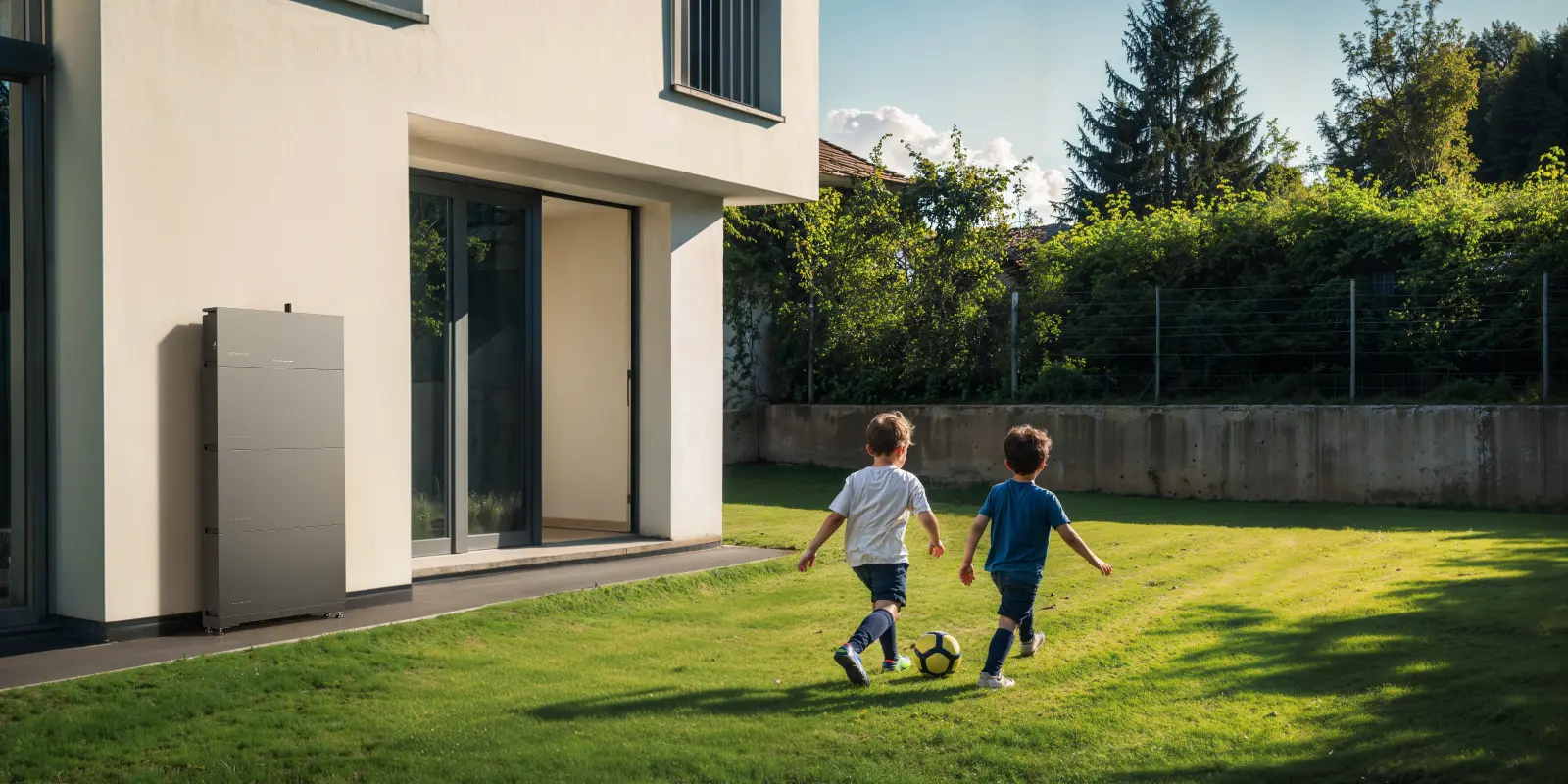
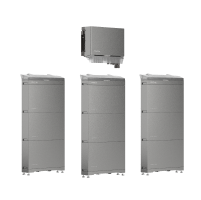
For Aussie homeowners, the EcoFlow PowerOcean (Single Phase) system is a clean, fuss-free option. It is designed specifically to plug straight into single-phase circuits, and combines a hybrid inverter with modular batteries, starting at 5kWh and expandable up to 45kWh. With an IP65 rating and built-in self-heating, it can handle everything from dusty outback summers to icy Tasmanian winters.
3. Use Energy Data Smartly
In an off grid setup, knowing how much power you’ve got left matters. Running the AC during a summer heatwave can drain your batteries faster than you’d think. That’s why knowing exactly how much energy you’ve got left is so important in an off grid setup.
The EcoFlow PowerInsight 2 uses an 11-inch touchscreen to show real-time solar generation, battery levels, and household usage. If bad weather’s coming, it helps you prioritise essential appliances - turning energy management from guesswork into smart planning.

Is an Off Grid Solar Set-Up Right for Your Home?
Before cutting the cord, check these essentials to make sure you won't be left in the dark:
1. Roof Orientation & Space Available
In Australia, north-facing roof space delivers the highest solar output. East- and west-facing panels can help, but the north-facing side usually does most of the heavy lifting. Make sure there is enough unshaded area to meet daily demand and fully charge your batteries.
2. Energy Habits
Off grid living works best when you use power during daylight hours, but you don’t have to completely change your lifestyle. Where possible, run energy-draining appliances like washing machines, dishwashers, and pool pumps between 10:00 AM and 2:00 PM.
3. Local Solar Conditions
How well your system performs comes down to how much sun your area gets. Regions with heavy cloud cover or shorter winter days may need larger systems to maintain year-round reliability. Adequate peak sun hours are especially important in winter to keep everything running smoothly.
4. Property and Regulations
Your roof must be capable of supporting the system structurally. Local council or zoning rules may also apply during solar panel and battery installations. Confirm these details before investing in any upgrade.
What kind of product or solution are you interested in?
Conclusion
Going off grid in Australia is no longer a fringe lifestyle choice. Thanks to high-efficiency solar panels, intelligent monitoring, and durable battery systems, it’s a practical way to take control of your energy and ditch electricity bills for good.
With the powerful mix of high-efficiency panels, a smart home energy management system like the PowerInsight 2, and an energy storage solution like the PowerOcean, you can enjoy modern comforts, total energy independence, and peace of mind, no matter where you live.
FAQs
1. What size solar system do I need to go off-grid?
For most Aussie households, 5kW–10kW does the job. This also depends on your daily usage and how many backup days are needed to cover cloudy weather.
2. How many batteries are needed for off-grid solar?
In most cases, between 15kWh and 30kWh. This ensures you have enough power to get through the night and a buffer for cloudy or rainy days.
3. What happens when off-grid batteries are full?
Once your batteries reach 100%, the charge controller automatically dials back the solar panels so they stop producing excess power. This prevents overcharging and helps protect your batteries, keeping them healthy for the long run.
4. How long does an off-grid solar system last?
Most modern solar panels are built to last 25 to 30 years, while high-quality LFP batteries usually deliver 10 to 15 years of reliable use. Keeping the inverter, wiring, and connections well-maintained will help you get the most value out of your system.
5. Can I run air conditioning off-grid?
Yes, you can run air conditioning off-grid. But you’ll need a larger battery bank and a properly sized inverter to handle the high start-up surge and ongoing power draw. It’s most efficient to run the AC during the day when the sun is doing most of the work.

