
MPPT Solar Charge Controller 2026: Complete Guide for Homeowners
If you’ve already gone solar or are seriously thinking about it, you’ve probably heard an installer casually drop the term “MPPT” and move on as if it’s self-explanatory. Most homeowners just nod along and trust it’s important. And yes, it is important. In fact, your MPPT solar charge controller plays a bigger role in how much usable energy you get from your panels than most people realise.
Everything in this guide reflects real-world Australian installs: hot summers, variable weather, modern inverters, and the growing shift toward home batteries. We will break down Maximum Power Point Tracking (MPPT) in plain English for Aussie homes in 2026. We’ll cover what it actually does, why it matters so much under Aussie conditions, how it affects battery performance, and how modern systems use MPPT to reduce reliance on the grid.
What Is an MPPT Solar Charge Controller?
At its core, an MPPT controller is the decision-maker in your solar system. After your panels collect sunlight, the MPPT continuously adjusts how electricity flows from your panels to your batteries or inverter, so your system is always working as efficiently as possible, instead of wasting good sunlight. Without MPPT, your system still works, but you’re leaving a surprising amount of energy unused.
Why MPPT Controllers Matter for Australian Homes
Australia is one of the best places in the world for solar, but it’s also one of the toughest environments for it. An MPPT controller isn’t just a nice-to-have here. It’s what separates an average system from one that performs year-round.
1. Maximising Solar Output in High-Temperature Conditions
When temperatures climb into the high 30s in Western Sydney or Outback Queensland, solar panels actually lose voltage. That’s why output can dip during a heatwave. MPPT controllers compensate for this automatically, so your system doesn’t fade right when you’ve got the air-con blasting on a scorching summer day.
2. Handling Variable Weather and Partial Shading
From Melbourne’s famous “four seasons in one day” to a bit of afternoon shade from a gum tree, Aussie roofs rarely see perfect conditions. MPPT technology constantly adjusts the electrical operating point so your power stays steady even when clouds roll through.
3. Improving Battery Charging Efficiency
By converting excess panel voltage into usable charging current, MPPT controllers typically deliver 20-30% better charging efficiency than older PWM systems in real Australian homes - a performance gap that has remained consistent across 2025–2026 installations. The difference is especially visible when paired with modern solar batteries using Lithium Iron Phosphate (LFP) chemistry, which can absorb the high-current output of an MPPT controller much more effectively than older battery types.
How Does an MPPT Controller Actually Work?
It might sound complicated, but the idea is pretty straightforward. An MPPT controller is constantly measuring the voltage and current coming from your panels and looking for the exact combination that produces the most power. This sweet spot shifts throughout the day as sunlight, temperature, and panel conditions change.
1. Tracking the Maximum Power Point
Thousands of times per second, the controller scans the power curve to find where volts and amps combine to produce the most watts. That way, no matter where the sun is in the sky, you’re getting as much energy as possible from your panels.
2. Converting Voltage for Safe Battery Charging
Panels usually produce higher voltage than batteries can safely accept. MPPT controllers step that voltage down to the right level while increasing current, allowing more energy to flow into storage without damaging the battery.
3. Adapting in Real Time to Sunlight Changes
As sunlight shifts from a bright morning to a hazy afternoon, the MPPT controller keeps adapting. There’s nothing for you to manage - it’s all happening automatically in the background to maintain the highest possible efficiency.

Choosing the Right MPPT Controller for Your Home
Getting the right MPPT controller isn’t about buying the most expensive option. It’s about making sure it suits your system.
1. Matching MPPT Capacity to Your Solar Array
Your MPPT needs enough headroom to handle your panels’ maximum voltage and current. This is particularly important on clear winter mornings, when voltage can spike higher than many people expect.
2. Battery Compatibility and Voltage Requirements
Different battery types charge in different ways. Whether you’re using lead-acid or modern LFP batteries, your MPPT controller must support the correct charging profiles to keep everything running safely and efficiently.
3. Single Phase vs Three Phase Considerations
Most suburban homes in Australia are single-phase, while larger properties may be three-phase. Your MPPT controller and inverter need to match your home’s electrical setup to distribute energy properly.
4. Safety Certifications and Australian Standards
Always make sure your equipment complies with AS/NZS 5033. Non-compliant gear isn’t just risky - it can affect warranties, insurance, and even your feed-in tariff (FiT) eligibility.
How to Maximise Home Solar Output with an MPPT Controller
Once the hardware is sorted, a few simple habits can help you squeeze even more value out of your MPPT controller.
1. Maintain Panels to Let MPPT Operate Efficiently
Dust and bird droppings can interfere with an MPPT’s accurate tracking. A quick rinse every few months helps the MPPT controller better sense a clean signal and lock onto the true power peak.
2. Align Energy Use With Peak MPPT Output
In most Australian homes, MPPT output peaks between 10 am and 2 pm, which is often when nobody’s home. With today’s low feed-in tariffs, exporting that power usually isn’t great value.
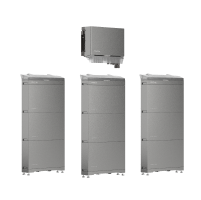
That’s where battery systems really change the equation. Modern hybrid setups with high solar input capacity, like EcoFlow PowerOcean (Single Phase), help capture that midday surplus instead of sending it back to the grid. With up to 14kW of solar input capacity, EcoFlow PowerOcean can absorb every watt of your MPPT tracks at lunchtime and store it for later, instead of letting it go to waste. That stored energy then covers evening cooking, heating, and entertainment - immediately cutting down expensive grid imports.
3. Monitor MPPT Performance Regularly
MPPT systems are reliable, but they’re not completely hands-off. Heatwaves, shading changes, or inverter limits can all affect your solar output over time. The EcoFlow PowerInsight 2 helps by acting as a central energy dashboard. Its 11-inch touchscreen shows real-time MPPT performance, making it easy to spot dips in efficiency and adjust usage before your power bill is affected.
4. Schedule Appliances Around MPPT Efficiency
Get smart with your energy-hungry appliances. Running dishwashers, washing machines, and pool pumps during peak solar hours is one of the easiest ways to increase self-consumption and make the most of your MPPT setup.
.jpg)
Common Myths on MPPT Controllers
Let’s debunk a few myths that you might have heard at a backyard barbie.
Myth1: MPPT Is Only for Large Systems
This is not true. Even a small 2kW system also benefits immensely from MPPT, especially in low-light or variable conditions.
Myth2: MPPT Fixes Poor Panel Placement
While MPPT does a great job handling shade, it’s not a magic fix for poor panel placement. If your panels are facing south or sitting under a big gum tree, even the smartest tracking can’t make up for a well-positioned, north-facing roof.
Myth3: All MPPT Controllers Are the Same
They’re definitely not. Tracking speed, accuracy, and stability vary significantly between brands and models. Premium controllers find the power point faster and hang onto it far more steadily than budget options.
What kind of product or solution are you interested in?

Conclusion
With feed-in tariffs at record lows and evening electricity prices continuing to rise, Australian households are being pushed toward using more of their own solar instead of exporting it.
A quality MPPT controller is one of the smartest investments you can make to support that shift. It quietly works in the background, making sure the power your panels produce actually ends up where it matters - inside your home. When you integrate high-performance hardware with a comprehensive EcoFlow Home Energy Ecosystem, MPPT turns solar from a passive system into an active way to reduce bills and rely less on the grid. By combining efficient tracking with smart storage and real-time monitoring, you gain full control over your home's energy future.
FAQs
1. How big of a MPPT charge controller is needed for 400W of solar panels?
Generally, for a 400W system, you will need a 30A MPPT controller. It can provide enough headroom to handle the current (Amps) produced by the panels while safely charging a 12V or 24V battery bank.
2. How to check if MPPT is working?
Check the controller's screen or app to make sure it is in “MPPT” or Bulk/Absorb charging mode and that the displayed power (in watts) is higher than you’d expect from a simple voltage match. If the wattage rises and falls slightly as the sun shifts, that’s a good sign the MPPT is actively tracking the peak output.
3. Does MPPT prevent overcharging?
Yes. MPPT controllers use multi-stage charging to protect batteries and stop charging once they’re full. They use multi-stage charging (Bulk, Absorb, and Float) to keep batteries healthy over the long term.
4. What are common MPPT controller problems?
Overheating and loose wiring. During a hot Aussie summer, if a controller is poorly ventilated, thermal derating can be triggered, hurting the system’s efficiency to stay cool.
5. How often does MPPT need maintenance?
Very little. Annual checks on wiring and keeping panels clean usually cover it. Most of your maintenance is aiming to keep the solar panels clean, so the MPPT has a clear signal to track.

