
How Long Does the Solar Panel Last? Aussie Homeowner's Guide
Solar power is now common across Australian homes. Rooftop panels help cut power bills and lower grid reliance. Still, many homeowners ask the same question. How long do PV panels last in Australia? With strong sun, heatwaves, storms, and coastal air, lifespan matters. A long-lasting system saves money and avoids early replacement.
This guide explains solar panel lifespan, battery life, warning signs, and care tips. It also explains why many homes use storage to manage power better.
How Long Do Solar Panels Last [Quick Answer]
In simple terms, solar panels are built for the long run. When people ask "how long can a solar panel last?", the answer is usually measured in decades, not years. Instead of stopping suddenly, panels age slowly and predictably. The table below shows what most Australian homeowners can expect over time.
Years in Use | Expected Performance Level | What This Means for Homes |
|---|---|---|
1–5 years | 98–100% output | Panels work at near-full capacity with strong daily generation |
6–10 years | 95–97% output | Slight natural drop, usually not noticeable on power bills |
11–15 years | 90–94% output | System still covers most household energy needs |
16–20 years | 85–89% output | Reduced output, but panels remain reliable and usable |
21–25 years | Around 80% output | Common warranty threshold for performance guarantees |
25+ years | Below 80% output | Panels still work, but upgrades may improve efficiency |
Factors That Affect Solar Panel Longevity
Below are several factors that influence how long solar panels last in Australia:
Sun Exposure and Heat: Strong Australian sunlight boosts output but adds heat stress. Panels do not all react the same way to heat.
Installation Quality: Issues often appear when the system is not installed correctly. Proper installation helps the system run smoothly over time.
Panel Build: Lower-cost panels tend to lose output faster as they get older. Premium panels resist cracking, heat damage, and moisture.
Weather Conditions: Being near the coast or in rough weather can change how panels hold up over time.
Maintenance Habits: Dirt buildup forces panels to work harder for power. Cleaning panels now and then helps them stay in better shape.
How Long Do Solar Batteries Last Compared to Solar Panels?
After looking at how long solar panels last, the next thing most homeowners ask about is solar batteries. Panels sit on the roof and quietly do their job for years. When people talk about the average lifespan of solar panels, they are usually thinking long-term. Batteries, however, work a lot harder behind the scenes. The points below explain how solar batteries differ from solar panels:
Working Life: Solar batteries usually last around 8 to 15 years in Australian homes. Panels tend to last much longer than batteries.
Everyday Use: Batteries get used day in, day out. Panels do not go through the same routine.
Replacement Timing: Many households replace a battery once while keeping the same panels. This is a normal upgrade, not a failure.
Upgrade Flexibility: Batteries are easier to swap or upgrade over time. Panels are rarely moved once they are installed.
Long-term Costs: Many people expect to change the battery at some point. Panel replacement usually comes much later.
Signs It's Time to Replace Your Solar Panels in Australia
Solar panels show the following warning signs before failing:
Reduced Power Output: Power bills start creeping up without a clear reason. The system just does not seem to produce like it once did.
Visible Panel Damage: You may notice cracks, marks, or odd discolouration on the panels. After a storm, many homeowners check panels more carefully for damage.
Inverter Alerts: Alerts seem to pop up more often over time. These alerts may point to system issues, which should be checked before assuming panel problems
Outdated Solar Technology: The panels take up more space but deliver less power. Newer systems now do more with fewer panels.
Warranty Expiry: The warranty does not have long to run. That is when people usually stop and start thinking.
How to Maximize the Life of Your Solar System in Australia
Many homeowners ask, "how long do PV panels last?" once they are installed. The answer often depends on how the system is treated over time. Simple care and sensible upgrades can make a big difference.
1.Keep Panels Clean and Check Them from Time to Time
Panels sit outside every day and pick up dust and debris. This build-up can affect output if left for too long. When people wonder "how long can a solar panel last?", regular cleaning is part of the picture. A simple clean once or twice a year is often enough. A quick look sometimes helps notice small problems.
2.Upgrade Parts Gradually as Energy Needs Change
Solar systems do not age evenly. Panels usually last longer than batteries and inverters. This is why many homeowners think about the average lifespan of solar panels when planning upgrades. Keeping panels in place while updating storage helps systems stay useful. It also avoids replacing parts that still work well.
3.Use Smart Energy Storage to Reduce Wear on the Grid and Panels
With a battery installed, households can use solar power in new ways. Instead of sending excess energy back to the grid during the day, power is stored and used later. This reduces daily pressure on both the grid and solar panels. Many homeowners ask, "How long does solar energy last?" Once it is generated, the answer depends largely on how well it is stored and managed.
This is where the EcoFlow Home Battery Solution fits naturally into a solar setup. EcoFlow helps households store solar energy so it can be used later, especially at night, during blackouts, or when electricity prices are high. Designed for Australian conditions, EcoFlow systems support steady energy use during heatwaves and cloudy days, while working alongside existing panels as household needs grow.
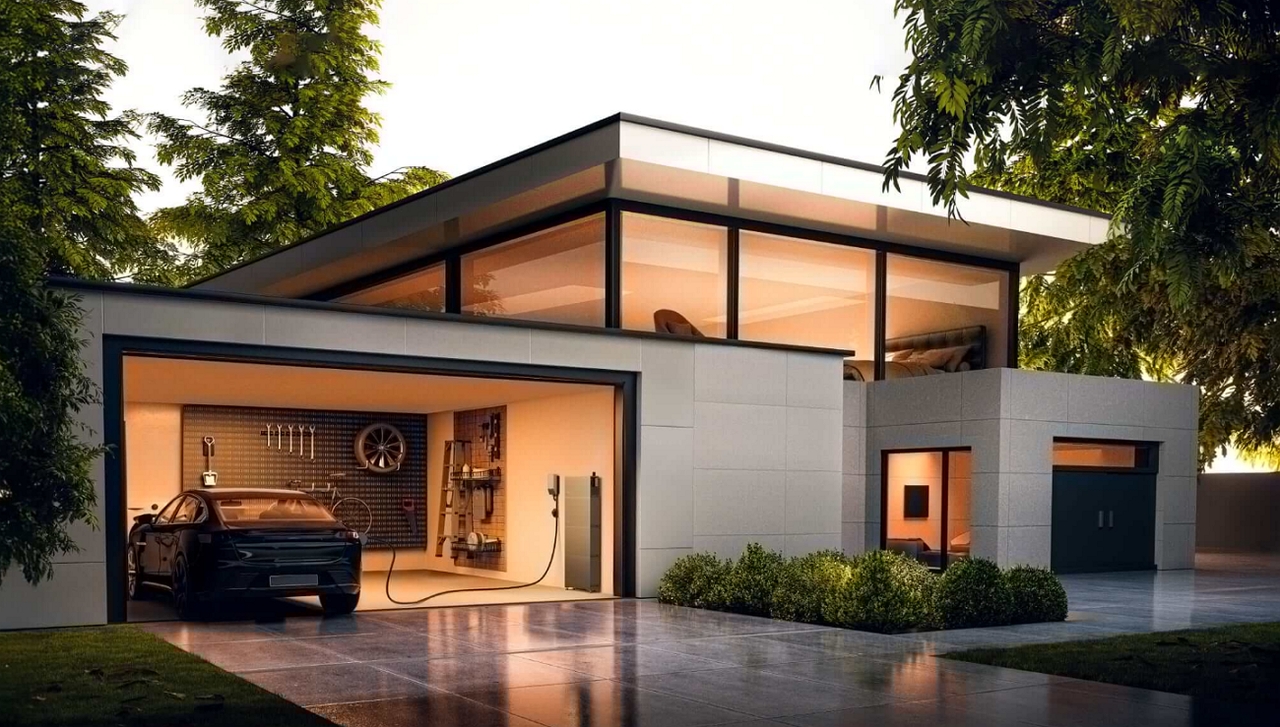
Benefits of EcoFlow Solar Battery Storage Systems
With different storage options available, it helps to look at what households actually gain from using EcoFlow.
EcoFlow Solutions | What It Is | Typical Use | Key User Benefit |
|---|---|---|---|
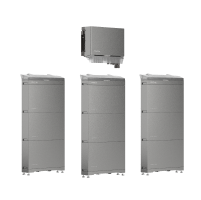
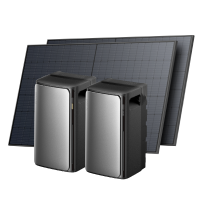
A modular home battery system designed for single-phase grid-connected homes with rooftop solar. | Standard residential homes with a single-phase electricity supply. | Stores energy to lower bills and offers backup during blackouts. | |
A modular battery system designed for homes that use three-phase power and consume more electricity. | Larger homes and properties that use a three-phase electricity supply. | Powers the whole home and supports adding more battery capacity over time. | |
A smart EV charger that integrates solar, batteries, and the grid for efficient home EV charging. | EV owners with solar or home battery systems. | Charge your EV faster while using more solar power and less grid electricity. | |
EcoFlow App + HEMS (Intelligent Home Energy Management) | A single app used to manage solar power, battery storage, and other home energy systems. | Tech-savvy homeowners are planning a full smart-energy setup. | View home energy use in one dashboard and make small changes that improve efficiency. |
Get Advice That Matches Your Home and Usage
Every home uses power differently, so storage plans should match real habits. Speaking with EcoFlow energy consultants helps households size systems properly. This can support the average lifespan of solar panels by avoiding unnecessary system stress. Good planning early often leads to fewer changes later.
What kind of product or solution are you interested in?
Conclusion
To conclude, solar panels are built to last in Australian homes. How panels hold up often depends on day-to-day care. People often ask, "how long do PV panels last?" In many cases, the answer is measured in decades. Simple habits and steady upgrades can make a real difference over time. Regular maintenance, gradual upgrades, and sensible storage choices all help. Many homes add EcoFlow solar batteries to support existing panels.
FAQs
1. How often do solar panels need to be replaced?
Solar panels usually do not need frequent replacement. In many Australian homes, panels last 25 years or longer. Output slowly drops over time, not all at once. How long panels last often comes down to how they are looked after. Instead of replacing panels, many households add storage, such as the EcoFlow home battery.
2. Is it worth replacing 10-year-old solar panels?
In most cases, replacing 10-year-old panels is not needed. Panels at this age still produce solid power. When people ask how long a solar panel lasts, the answer is often decades. Performance loss is usually small at ten years. Many homeowners improve results by adding battery storage. EcoFlow home battery solutions help make better use of existing panels
3. Why are people getting rid of their solar panels?
Most panels are removed due to damage or roof work. Some early systems used lower-quality panels. Panels are rarely removed just because they stopped working. Many still generate usable power. Instead of replacing panels, people upgrade other parts. Adding EcoFlow home battery storage is often a simpler option. It keeps older panels useful without full system replacement.
4. Can I run AC with a solar panel?
Air conditioners can run on solar during the day. It comes down to system size and the sun. At night, storage becomes important. People then ask, "How long does solar energy last?" indoors. Battery systems store power for later use. EcoFlow batteries help support cooling during evenings or cloudy periods.
5. What happens after 20 years of solar panels?
After 20 years, panels usually still work. They just produce less power than they once did. The change happens slowly over time. Many homes keep their panels and upgrade storage instead. This can save money down the track. With battery support, older panels often stay in use. EcoFlow batteries are used alongside panels in many homes.

