
How Long Do Solar Panels Last: Average Lifespan and Maintenance Tips
Thinking about making the switch to solar, or already have panels soaking up that famous Australian sun? It’s a smart move for your wallet and the planet. But like any major home investment, you’re probably wondering how long they’ll actually go the distance. In this guide, we’ll break down how long do solar panels last in Australia, what causes them to age, and, most importantly, how you can squeeze every bit of value out of your system for decades to come.
Typical Lifespan of Solar Panels in Australia
Australians have embraced solar faster than almost anywhere else in the world. When you’re looking at your rooftop, you aren’t just looking at glass and silicone; you’re looking at a 25-to-30-year investment.
1. Average Years of Operation for Residential Panels
Most modern residential solar panels are designed to last between 25 and 30 years. This doesn't mean they stop working the day they hit 30; it just means their energy production will have dipped below what the manufacturer originally promised. If you’ve bought quality gear, it’s not uncommon to see systems still humming along at 35 or even 40 years, albeit with a lower output.
2. Factors That Affect Solar Panels Longevity
While the tech is robust, life on an Aussie roof is tough. Several factors dictate whether your panels will be "marathon runners" or "sprinters":
Installation Quality: If the racking isn't sturdy, vibrations can cause micro-cracks.
Heat Cycling: The constant expansion and contraction from freezing nights to scorching 40°C days can stress the internal components.
Component Quality: Cheap inverters often fail long before the panels do, so the "supporting cast" matters.
3. Differences Between Polycrystalline, Monocrystalline, and Thin-Film Panels
Not all panels are built the same. Monocrystalline panels are the gold standard for longevity and efficiency, typically lasting the full 30 years. Polycrystalline panels are a bit more budget-friendly but tend to have a slightly higher degradation rate. Thin-film panels are less common for residential roofs because they generally have a shorter lifespan, often around 10 to 20 years, as they degrade faster when exposed to the elements.
How Solar Panels Degrade Over Time
Just like us, solar panels lose a little bit of their "get-up-and-go" as they age. This process is called degradation, and while it’s inevitable, it’s usually very slow.
1. Annual Efficiency Loss and Performance Warranties
On average, solar panels degrade at a rate of about 0.5% to 0.8% per year. Most reputable brands provide a 25-year performance warranty, guaranteeing that the panels will still produce at least 80% to 90% of their original rated power at the end of that period.
2. Signs Your Panels Are Losing Efficiency
Keep an eye on your electricity bill. If you notice a steady climb in your costs despite similar sun hours and usage habits, your panels might be underperforming. Physical signs like "snail trails" (brown lines on the cells), delamination (the glass looking like it’s peeling), or a sudden drop in output on your monitoring app are all red flags.
3. Impact of Extreme Weather and UV Exposure in Australia
Our UV levels are some of the highest on the planet. While panels are designed to eat sunlight, extreme UV can eventually degrade the backsheets and sealants. Additionally, the occasional heavy hail storm in Queensland or the salt spray if you live on the coast can accelerate wear and tear if the panels aren't "Aussie-proofed" for those specific conditions.
How to Maintain and Maximize Your Solar System
The good news is that solar panels are incredibly low-maintenance. They don't have moving parts, so there's not much to "break," but a little TLC goes a long way.
1. Regular Maintenance Practices
A quick "health check" once or twice a year is usually plenty. This involves checking for debris, ensuring no branches are shading the cells, and a gentle wash with water if they look dusty. Avoid using harsh chemicals or high-pressure washers, as these can damage the protective coating.
2. Monitoring and Optimizing System Performance
Even with perfect maintenance, you might still lose out on savings if you don’t know exactly how your home is using that "free" energy. To truly master your energy, you need visibility.
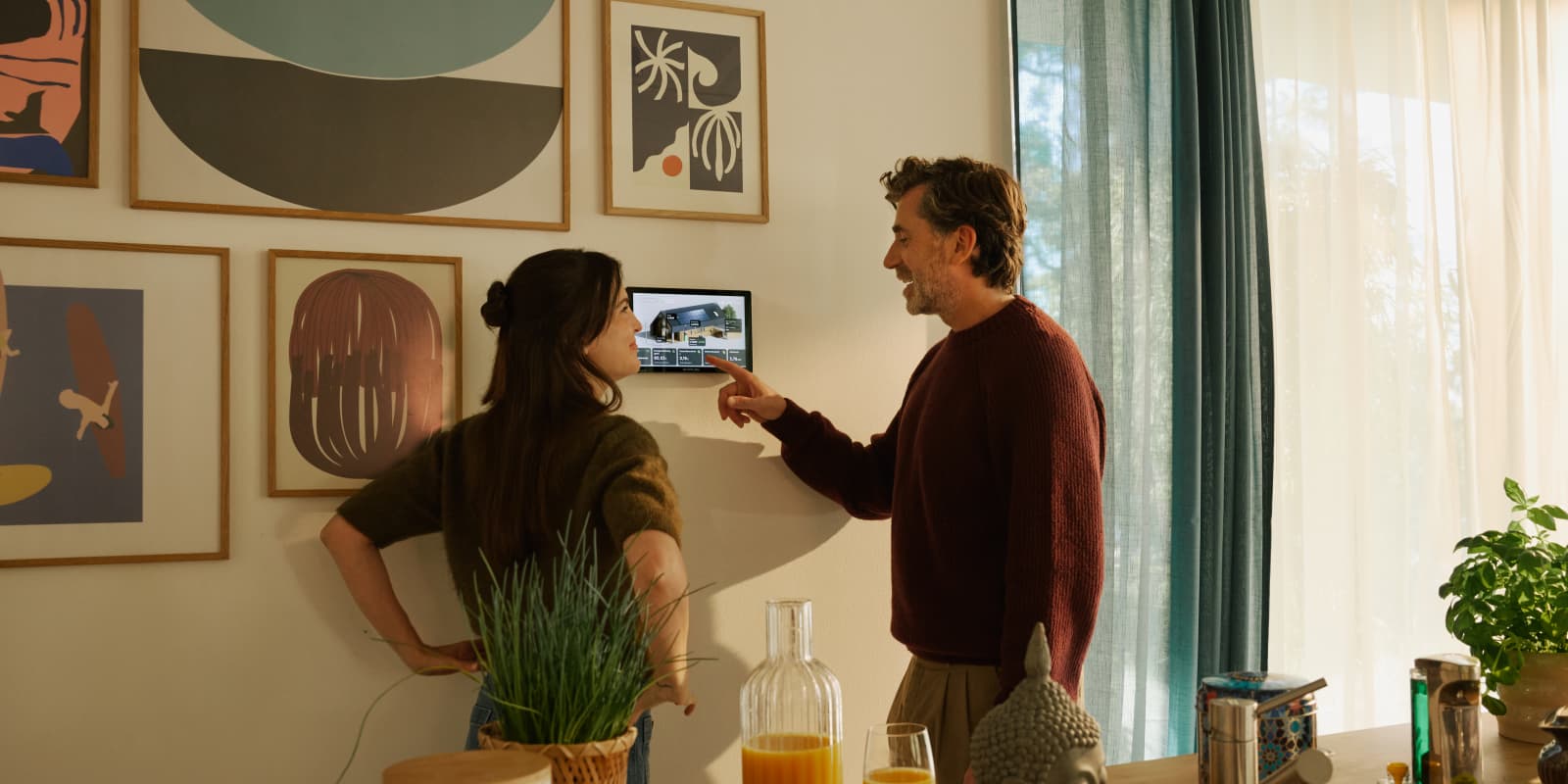
The EcoFlow PowerInsight 2 is a game-changer here. It’s a home energy monitoring dashboard that lets you track grid usage, battery storage, and solar generation in real-time. With clear charts and smart alerts, it helps you spot anomalies or energy-draining habits instantly. By understanding your daily patterns through the PowerInsight 2, you can adjust your behavior to ensure your panels’ output is actually being put to good use rather than just drifting back to the grid for a measly feed-in tariff.
3. Integrating Home Batteries for Self-Consumption
Monitoring is the first step, but storage is where the real magic happens. In the Australian market, where feed-in tariffs are dropping, storing your own power is the only way to make the math work in your favor.
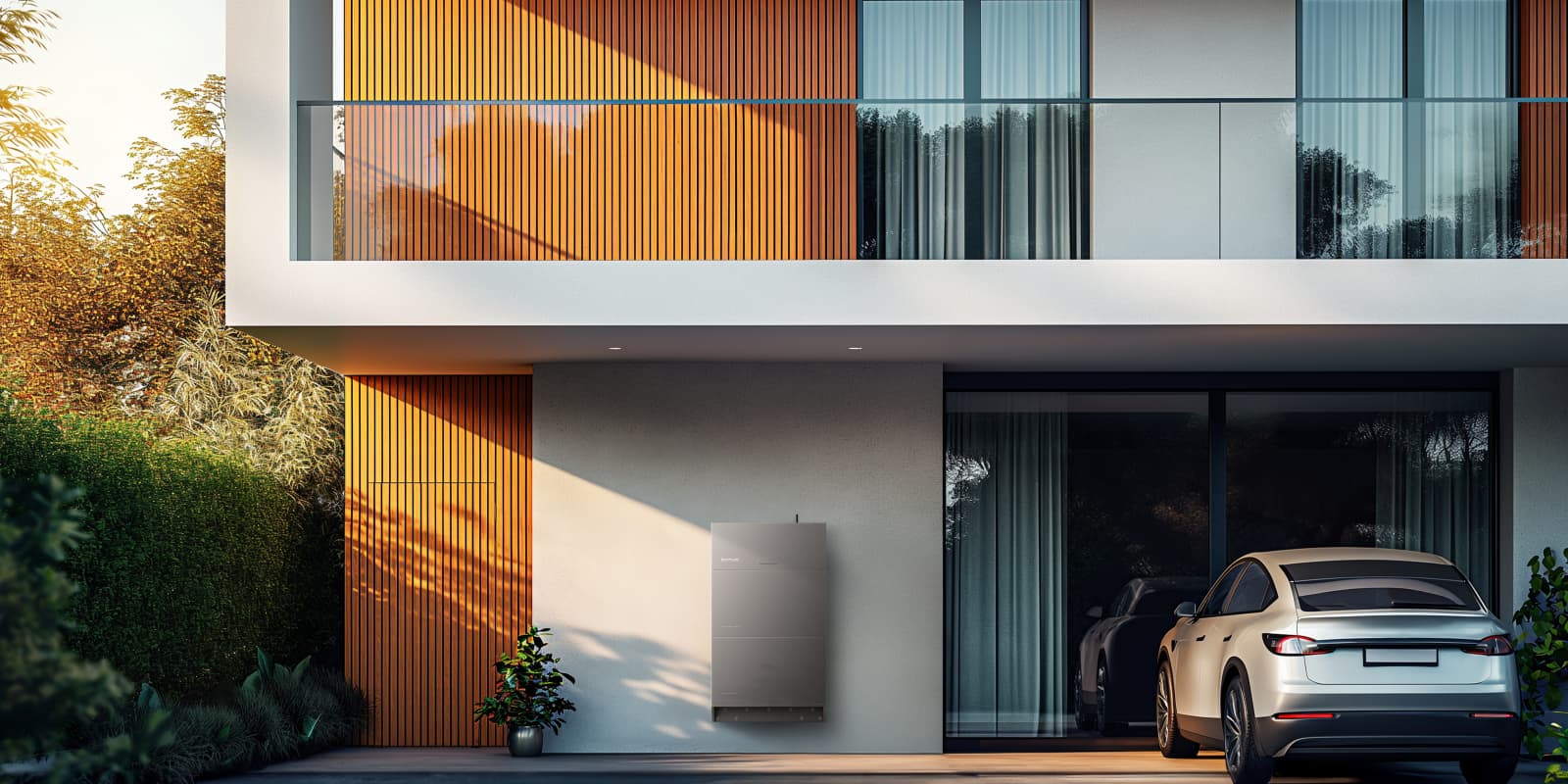
The EcoFlow PowerOcean (Single-Phase) is a premium home battery system designed to store that excess midday sun for use during the expensive evening peak. By pairing your panels with the PowerOcean, you aren't just extending the life of your investment—you're maximizing its economic return. The system intelligently schedules power based on your habits, ensuring that every kilowatt-hour generated by your roof is used as efficiently as possible, effectively shortening your "payback period."
4. Optimizing Appliance Usage for Solar Generation Hours
The "Golden Rule" of Aussie solar is: Use it while you make it. Set your dishwasher, washing machine, and pool pump to run between 10 AM and 2 PM. This "load shifting" ensures you're using your own 0-cent electricity rather than buying it back from the retailer at 30 cents later that night. To further improve self-consumption, many Australians complement this approach with Solar battery storage, capturing midday surplus for evening use.
Common Misconceptions About Solar Panel Lifespan
There's a lot of "pub talk" out there about solar that isn't quite right. Let's clear the air.
1. Panels fail after a set number of years
False. Panels don't just "die" after 25 years. They just become less efficient. Many systems installed in the 90s are still generating power today; they just might only produce 75% of what they did on day one.
2. Maintenance isn’t necessary
Mostly False. While you don't need to be up there every week, ignoring your panels entirely can lead to "hot spots" caused by bird droppings or grime, which can permanently damage cells and reduce the system's lifespan.
3. Bigger or more expensive panels always last longer
Not necessarily. A huge, expensive panel poorly installed will fail faster than a mid-range panel installed with proper ventilation and high-quality mounting. Balance brand reputation with a top-notch installer.
What kind of product or solution are you interested in?


Conclusion
A solar system is a long-term partner for your home. If you’re wondering how long do solar panels last, most last 25 to 30 years, making them one of the few home improvements that actually pays for itself multiple times over. By choosing quality monocrystalline panels, monitoring your output with tools like the EcoFlow PowerInsight 2, and storing excess energy in solar batteries like the EcoFlow PowerOcean, you can ensure your transition to renewable energy is both durable and highly profitable.
FAQs
1. Do solar panels require maintenance?
Yes, solar panels require minimal but regular maintenance to perform at their best. This usually involves a yearly visual inspection for cracks or debris and an occasional cleaning with water to remove dust, salt, or bird droppings that can cause shading and "hot spots".
2. What are the signs of failing solar panels?
The most common signs of failure are a significant, unexplained drop in energy production or visible physical damage like delamination and browning. If your monitoring system shows a sharp decline compared to previous years with similar weather, it’s time to call a technician.
3. Does cleaning solar panels extend their life?
Cleaning doesn’t necessarily extend the physical life of the materials, but it prevents performance degradation and potential damage. Removing stubborn grime prevents localized overheating (hot spots), which is a common cause of premature cell failure.
4. What is the annual maintenance cost of solar panels?
For most Aussie homeowners, the annual maintenance cost is close to $0 if you do the basic cleaning yourself. If you hire a professional for a full electrical safety check and cleaning, expect to pay between $150 and $300 every few years.
5. What happens after 20 years of solar panels?
After 20 years, your panels will likely still be operating at about 85% to 90% of their original capacity. You don't need to replace them immediately; you can continue to use them as long as they provide enough power to meet your needs, though you might consider upgrading your inverter or adding more storage.

