
Flexible Solar Panels vs Traditional Panels: What You Need to Know
If you're keen to make the most of that famous Aussie sunshine and cut down your power bills, you’ve probably realised it’s not just about going solar - it’s about choosing the right type of solar panel for your set-up.
Whether you’re fitting out a 4WD for a lap around Australia, upgrading your caravan for long weekends off-grid, or installing a rooftop system on your suburban home, the decision between flexible solar panels and traditional rigid panels can quietly make or break your happiness with your solar setup.
In this guide, we’ll break down the tech, compare the real-world pros and cons in Australian conditions, and help you figure out which option makes the most sense for your situation.
What Are Flexible Solar Panels?
Think of flexible solar panels as the adaptable all-rounders of the solar world. Unlike standard rigid panels, they’re lightweight, bendable and designed to sit flush against curved or uneven surfaces.
1. How Flexible Solar Panels Work
Most flexible panels use ultra-thin layers of photovoltaic material - usually monocrystalline silicon sliced extremely thin, or thin-film technology. Because they don’t have heavy tempered glass or thick aluminium frames, they can flex slightly to match curved surfaces.
2. Advantages and Limitations of Flexible Panels
The Upside: They are incredibly lightweight and low-profile. If weight limits are tight - especially on caravans or pop-tops - flexible panels can be a lifesaver.
The Downside: They generally have a shorter lifespan and lower efficiency than rigid panels. On a 40°C day in Perth or Brisbane, heat can reduce output noticeably. Because they sit directly against the surface, airflow is limited, and heat is the enemy of solar efficiency.
3. Typical Applications in Australia
In Australia, flexible solar panels often dominate caravan and camper setups, off-grid touring rigs, and marine installations around the Whitsundays. If you're constantly on the move and every kilo counts, flexible panels often win.
What Are Traditional Solar Panels?
These are the “old faithful” panels you see on rooftops across Sydney, Melbourne, Brisbane and beyond - the black or blue rectangles mounted on aluminium rails.
1. How Traditional Solar Panels Work
Traditional panels use crystalline silicon wafers protected by toughened glass and supported by a sturdy aluminium frame. They’re built tough, designed to handle hail, heatwaves and years of brutal Aussie sun without blinking.
2. Advantages and Limitations of Traditional Panels
The Upside: They have higher efficiency and longer lifespan. For permanent rooftop systems, they offer the strongest return on investment.
The Downside: They are heavier and require solid mounting systems. They’re not exactly something you peel off and take camping.
3. Common Residential and Commercial Applications in Australia
Most Australian homes with solar - especially the popular 6.6kW systems - use rigid panels. If we’re talking long-term bill savings, rigid panels are usually the smarter choice.
Key Differences: Flexible vs Traditional Solar Panels
Here’s a clearer side-by-side comparison for Australian buyers:
| Feature | Flexible Panels | Traditional Rigid Panels |
|---|---|---|
| Efficiency | 15-18% (manufacturer data) | 20-23% (Clean Energy Council Australia data) |
| Power Output (per m²) | ~120-140 W/m² | ~180-220 W/m² |
| Weight | 2-5 kg per panel | 15-20 kg per panel |
| Lifespan | 5-15 years | 25-30 years |
| Cost (per W) | Higher (~$1.2-$1.5/W) | Lower (~$0.8-$1.0/W) |
| Durability | Moderate, prone to heat/micro-cracks | High, withstands hail & wind |
1. Installation and Weight Considerations
Rigid panels are heavy and require mounting rails. Installation is usually a two-person job and is often required to be done by accredited installers. Flexible panels are much simpler. Many are peel-and-stick. For weekend DIYers upgrading a van or camper, that simplicity is a big plus.
2. Energy Output and Efficiency
Rigid solar panels generally outperform flexible panels in efficiency.
As shown above, most rigid panels in Australia typically operate in the 20–23% efficiency range, while flexible panels sit around 15-18% (manufacturer data).
In practical terms, rigid panels produce roughly 180-220W/m², compared to 120-140W/m² for flexible panels. That means you’ll need more surface area with flexible panels to generate the same amount of power - something to consider if roof space is limited.
3. Durability and Maintenance
Traditional panels are built tough, with tempered glass and aluminium frames designed to handle hail, wind and decades of Australian sun.
Flexible panels are lighter and more adaptable but less robust. They can be prone to micro-cracking if over-bent or stepped on. Because they sit flush against surfaces, heat can impact long-term performance. Occasional checks are important to keep them in good shape.
4. Cost and Return on Investment (ROI)
If you’re purely chasing the best long-term return on investment, traditional panels usually come out ahead.
Flexible panels are more expensive per watt because of their specialised design. But ROI isn’t always about electricity bills. If a flexible panel keeps your fridge cold while you're camped at Uluru, the ROI might be measured in cold beers and not having to eat warm cheese.
How to Choose the Right Solar Panel for Your Needs
Ask yourself three simple questions:
1. Assess Your Usage Scenario
If you live in a house and don’t plan on moving your roof anytime soon, rigid panels are probably your best bet. If you live in a caravan, boat, or van, flexible panels may be better.
2. Evaluate Budget and Payback
If you want long-term savings on electricity bills? Traditional panels win. If you're looking for convenience and mobility, flexible panels may justify the premium.
3. Consider Roof or Surface Constraints
Thin tin sheds, fibreglass caravan roofs, and curved surfaces often can’t support 20kg panels plus racking. That’s where flexible panels shine.
Tips to Maximise Solar Performance in Australia
No matter which panel type you choose, performance optimisation is key.
1. Optimal Placement and Orientation
In Australia, north-facing panels generally deliver the best year-round output. Avoid shade from gum trees, chimneys or neighbouring buildings. Even partial shade can significantly reduce system performance.
2. Regular Cleaning and Maintenance
Dust, salt spray, and bird droppings (cheers, cockatoos) can reduce output. A gentle hose-down and soft cloth every few months can help maintain efficiency.
3. Using Smart Energy Monitoring
Here’s the thing, many Aussie households don’t realise - they generate plenty of solar during the day, but it goes to waste because no one is home. Without proper monitoring, you’re guessing where your power goes.
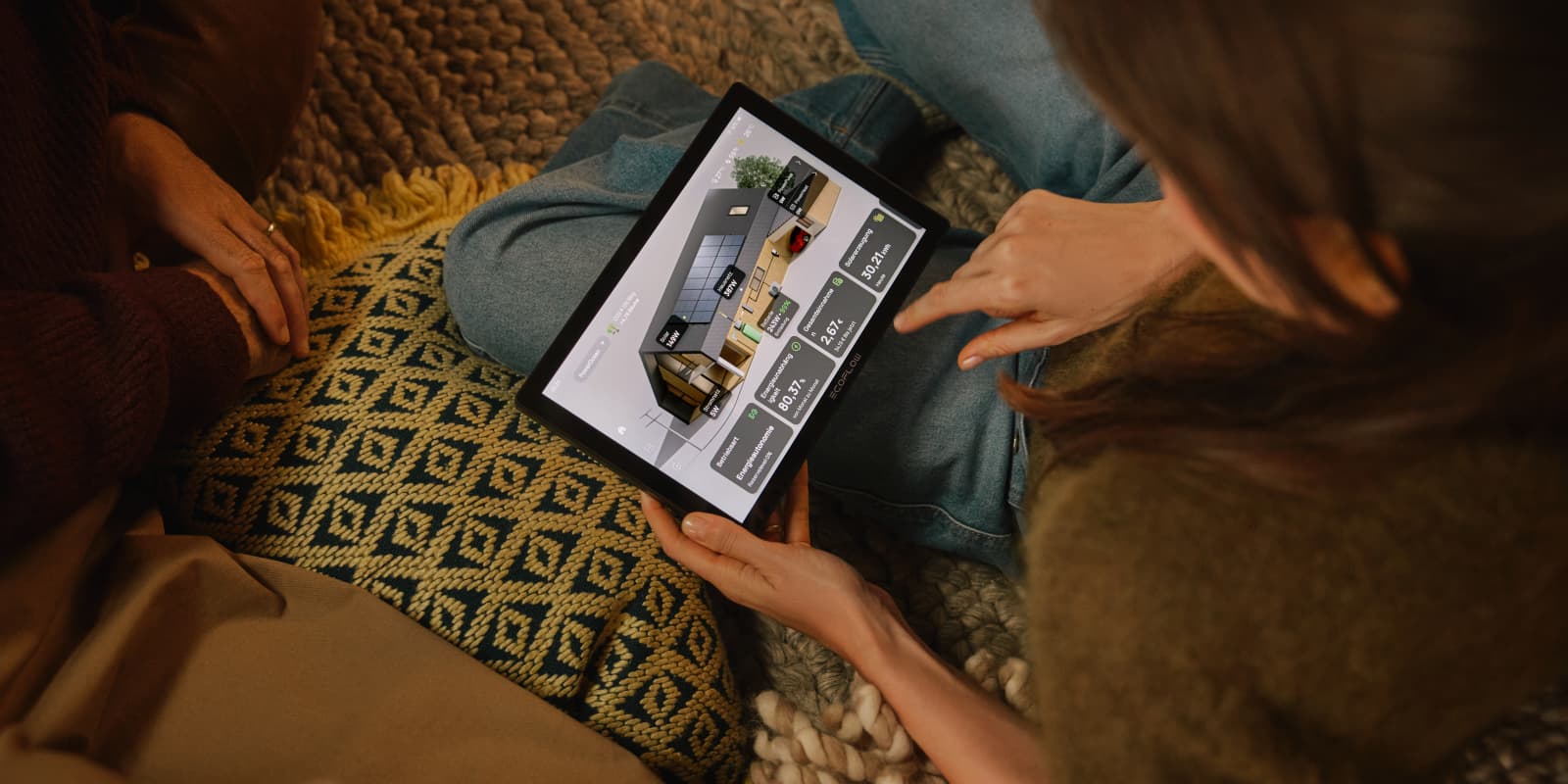
The EcoFlow PowerInsight 2 changes that. It gives you real-time visibility into solar generation, household energy consumption, and which appliances are using the most power. Instead of wondering why your bill is still high, you can shift heavy usage (dishwasher, washing machine, pool pump) into sunny hours and use your solar power properly. That’s how you turn good solar into great savings.
4. Combining with Battery Storage
Even the best solar panels don’t help much at 8 pm, so investing in solar batteries is a game-changer for when the sun’s gone and the aircon is still running. Without a battery, excess daytime power gets exported to the grid for a shrinking feed-in tariff.
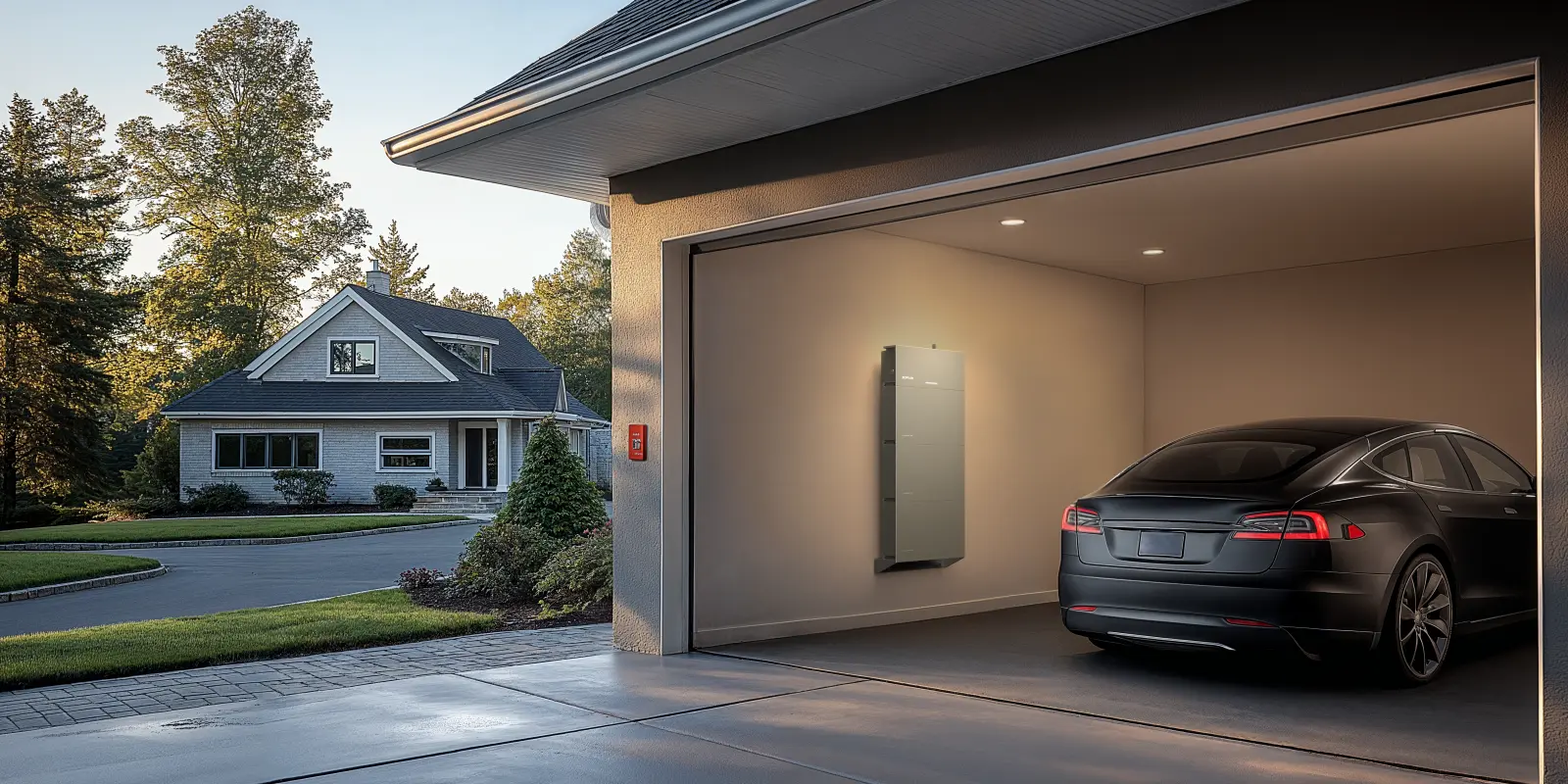
That’s where the EcoFlow PowerOcean (Single-Phase) comes in. This modular battery system stores surplus daytime solar energy, powers your home at night, reduces reliance on peak electricity rates, and provides backup during blackouts. Instead of selling your power cheaply and buying it back at a much pricier rate, you keep it in-house. In today’s Australian energy market, that’s a smart move.
Conclusion
There’s no one-size-fits-all answer. For permanent homes focused on long-term savings, traditional rigid panels are usually the better investment.For caravans, boats, 4WDs and lightweight setups, flexible panels offer unmatched versatility.Either way, solar is one of the smartest upgrades an Aussie household can make.
Just remember, the real savings don’t just come from catching sunlight. They come from monitoring your usage, investing in reliable solar battery storage, and using your power strategically. That’s how you turn sunshine into serious savings.
What kind of product or solution are you interested in?

FAQs
1. Do flexible solar panels require maintenance?
Yes. Clean them regularly and check adhesive or mounting points to ensure they stay secure, especially on moving vehicles.
2. What is the life expectancy of a flexible solar panel?
Typically 5–15 years, compared to 25–30 years for traditional rigid panels.
3. Are solid solar panels better than flexible solar panels?
For permanent installations, yes. They’re more efficient, durable and cost-effective long-term.
4. Are flexible solar panels worth it?
Absolutely, for caravans, boats, and surfaces that can’t handle the weight of rigid panels.
5. How to stick down flexible solar panels?
Most are secured using marine-grade adhesive (like Sikaflex), VHB tape, or grommets for zip-tying to racks. Some may come with pre-drilled grommets for zip-tying to racks.

