
EV Charging Explained: A Complete Guide for Electric Vehicle Owners in Australia
Whether you already have an EV in the driveway or are considering your first one, charging your car is a different game compared with petrol. It’s not just “stop and fill up”, it’s kilowatts, plugs, charging speeds, and timing your energy use to save money. This guide breaks down everything Australian EV owners need to know, from costs and charger types to maximizing solar energy at home.
Why Understanding EV Charging Is Essential
Knowing how EV charging works isn’t just for tech enthusiasts—it ensures your car fits your lifestyle without unexpected “range anxiety.” The better you understand your options, the easier it is to plan trips, manage costs, and make the most of your vehicle.
1. How EV Charging Works
At its simplest, charging an EV is like charging your smartphone, just on a much larger scale. Your car takes electricity from the grid (or your roof) and stores it in a large battery pack. Many Australian households now also utilise solar battery storage to capture excess energy for use during the evening. This power is then converted to drive the motors. The key difference is the "speed" of the flow, which depends on whether you're using AC (Alternating Current) or DC (Direct Current).
2. Different Types of EV Chargers in Australia
In the Aussie market, you’ll generally run into three "levels":
| Charger Type | Approx. Full Charge Time | Typical Use |
|---|---|---|
| Level 1 | 20+ hours | Emergencies |
| Level 2 | 6–12 hours | Overnight home charging |
| DC Fast | 20–60 minutes | Road trips |
3. How Charging Speed Affects Daily Use
Speed dictates your routine. A slow Level 1 charge might take 20+ hours for a full battery, while a DC fast charger can get you back on the road in 30 minutes. For most of us, the "sweet spot" is a Level 2 charger at home, which tops the car up overnight while you sleep.
Factors That Affect EV Charging Costs in Australia
While switching to an EV is a massive win for your bank balance compared to a petrol-guzzler, the cost of "fuel" isn't exactly set in stone. It’s not like pulling up to a servo and seeing the price on a big sign; with an EV, it all comes down to a few moving parts, from your energy provider's rates to how you utilize solar batteries to store your own power.
1. Electricity Tariffs and Peak/Off-Peak Pricing
Aussie energy retailers are notorious for their "Time of Use" tariffs. If you plug in during Peak hours (usually that late-arvo rush when everyone’s cranking the aircon and making dinner), you’ll pay through the nose—sometimes three times the normal rate. The trick most savvy Aussie owners use is to "set and forget" their car to start charging after 11 PM. That’s when the Off-Peak rates kick in, and you can snag those bargain prices while you’re fast asleep.
2. Vehicle Battery Size and Efficiency
It’s a bit of a no-brainer: a massive 100kWh battery is going to cost more to fill from empty than a smaller 60kWh one. But don't forget about efficiency—some EVs are "thirstier" than others, meaning they'll use more juice to cover the same distance from Sydney to Wollongong than a more aerodynamic model would.
3. Charger Type and Power Output
Public fast chargers are a lifesaver on a road trip, but they definitely cost a pretty penny for the convenience. You’re paying for that high-speed hardware and the maintenance of the network. For your daily commute, charging in your own driveway is always going to be the cheapest way to keep the wheels turning without blowing the budget.
4. Usage Patterns and Driving Habits
If you’ve got a heavy right foot and love a bit of a hoon on the highway, you’re going to be hitting the charger more often. Sitting at 110km/h on the Pacific Highway eats through battery way faster than a quiet zip around the local shops, so how you handle the pedals makes a huge difference to your monthly "fuel" bill.
How Much Does EV Charging Cost in Australia
Let's talk brass tacks. How much is actually coming out of your pocket? Charging at home usually sits between $0.15 and $0.30 per kWh, depending on your plan.
Here’s a quick look at how the costs stack up for some popular Aussie models:
| Vehicle | Battery Capacity | Home Charging Rate ($/kWh) | Home Full Charge Cost | Public DC Fast Charger Rate ($/kWh) | Public Fast Charge Cost |
|---|---|---|---|---|---|
| Tesla Model 3 Standard Range Plus | 54 kWh | $0.20 | $10.80 | $0.70 | $37.80 |
| Nissan Leaf e+ | 62 kWh | $0.25 | $15.50 | $0.70 | $43.40 |
| Hyundai Ioniq 5 Long Range | 77 kWh | $0.28 | $21.60 | $0.70 | $53.90 |
The verdict: As you can see, topping up at home is usually about three times cheaper than relying on public fast chargers. While networks like Chargefox, Evie, and Jolt are lifesavers on the road, but for the best intel on every available stall, most Aussies swear by the PlugShare app.
1. Choosing Between Wall Box and Portable Chargers
While a portable "granny cable" is handy to keep in the boot, a dedicated wall box is the way to go for daily use. It’s safer, faster, and allows you to take full advantage of smart charging features.
2. Installation Requirements and Safety Standards
In Australia, all EV charger installations must be performed by a licensed electrician and comply with AS/NZS 3000 wiring rules. Safety is paramount, especially when dealing with the high sustained loads of an EV.
3. Cost and Incentives in Australia
The good news? Various states offer incentives, from stamp duty exemptions to rebates on charger installations. It's worth checking your local state government website to see what's currently on the table.
How to Optimise EV Charging for Efficiency and Cost Savings
To really win at the EV game, you want to charge for as close to zero dollars as possible. Here’s how you do it.
1. Using Solar Panels and Home Energy Storage
In Australia, EV owners often face a bit of a dilemma: the sun is cranking and your Solar PV is producing the most power during the day when the car is often at work. If you sell that excess power back to the grid for a measly feed-in tariff, only to buy it back at high retail rates at night to charge your car, you’re losing out.
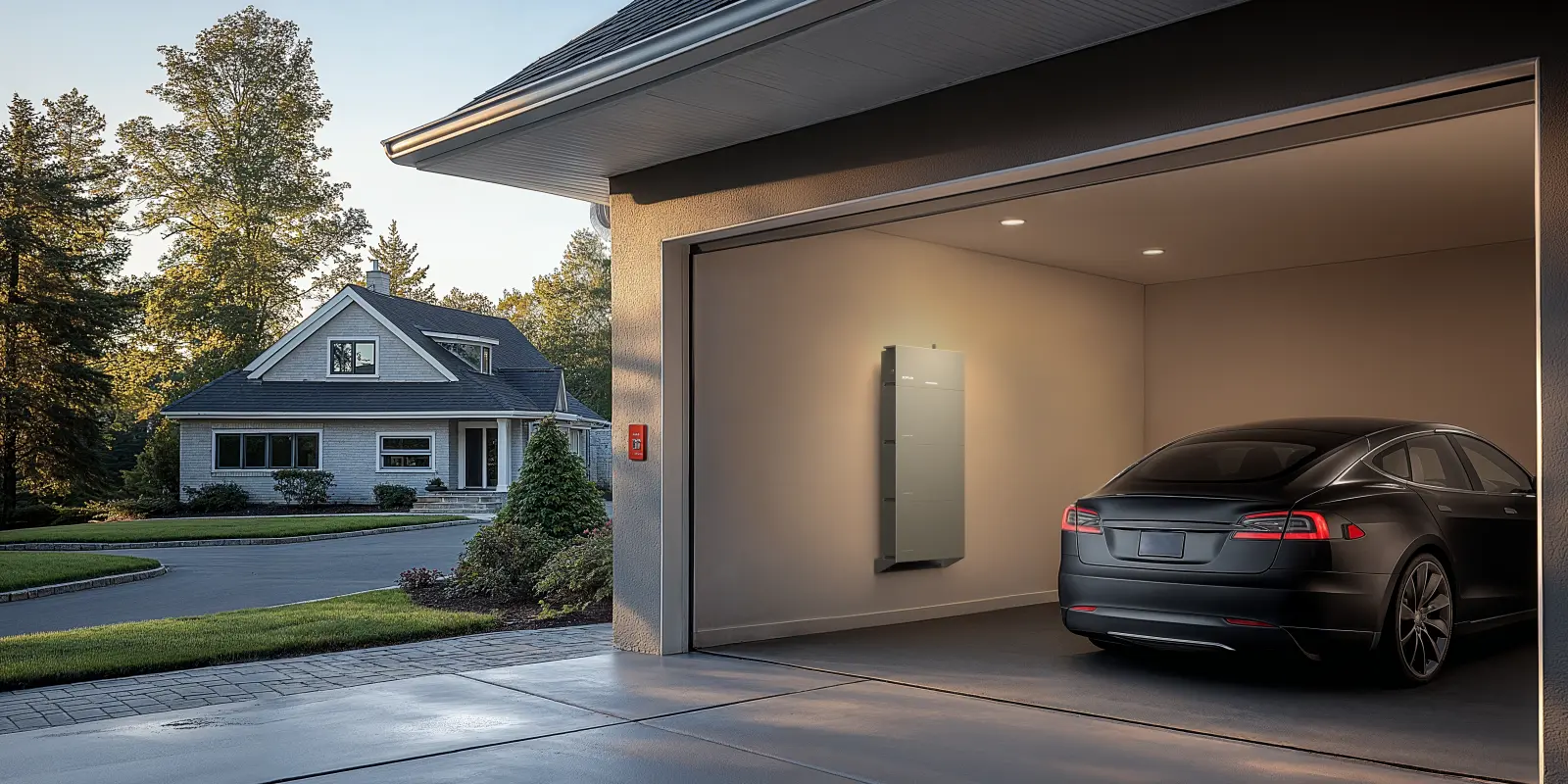
The EcoFlow PowerOcean (Single-Phase) Home Battery Solution offers a brilliant fix for this. It’s a physical storage system that can expand up to 45kWh. By storing your excess solar energy during the day, you can use it to charge your EV at night. This "self-consumption" model keeps you independent from fluctuating grid prices and ensures every drop of Aussie sunshine goes into your car, not back to the utility company for peanuts.
2. Scheduling Charging Around Electricity Tariffs
Most modern EVs and smart chargers allow you to “set and forget.” Schedule your charge for the dead of night when the grid is underutilised and prices are at their lowest.
3. Choosing a High-Efficiency EV Charger
In a home charging setup, efficiency isn’t just about raw speed; it’s about a smooth, reliable experience that fits into your life. You want something that’s easy to use every single day without a fuss.
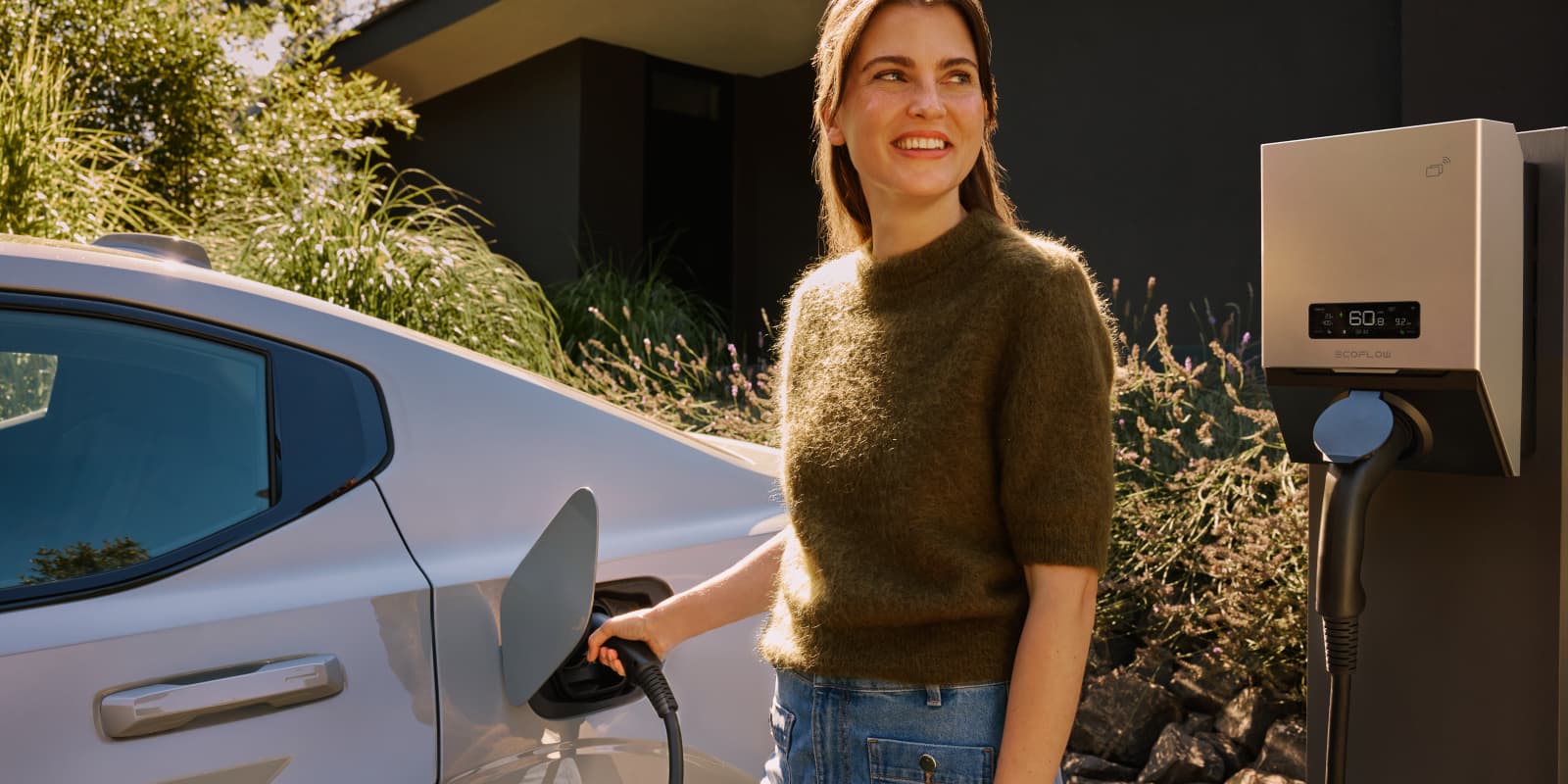
This is where the EcoFlow PowerPulse 2 shines. Designed specifically for the daily Aussie grind, it ensures your overnight top-up is completed without a hitch. It’s a simple plug-and-play affair—just plug it in and you’re good to go. The clear LCD screen lets you see exactly how much juice is flowing. Plus, with an IP55 rating, it’s tough enough for outdoor installation on your carport or garage wall, standing up to the Aussie dust and rain with ease.
Common Misconceptions About EV Charging
Don't let the "coffee shop experts" lead you astray. Let's clear up a few myths.
1. Charging Too Frequently or Too Rarely
You don't need to wait for the battery to be "empty" like a petrol tank. "Topping up" is perfectly fine. In fact, most lithium batteries prefer staying between 20% and 80% rather than being pushed to extremes.
2. Misunderstanding Public Fast Chargers
Some folks think they should use DC fast chargers for every charge. While they're great for road trips, relying on them exclusively can be harder on your battery long-term (and your wallet). Think of them as the "takeaway food" of charging—great occasionally, but home cooking is better for you.
3. Confusing Charger Types and Vehicle Compatibility
Almost all new EVs in Australia use the Type 2 (Mennekes) plug for AC and CCS2 for DC. Gone are the days of five different plugs; it’s much more standardised now, making it easy to find a spot that fits.
What kind of product or solution are you interested in?
Conclusion
Switching to an EV is easily one of the smartest moves you can make to stop bleeding cash at the petrol pump. It’s a smoother, quieter ride, and honestly, once you’ve got your home setup sorted, you’ll wonder why you didn't do it sooner. By teaming up a proper solar storage system like the PowerOcean with a dead-easy charger like the PowerPulse 2, you’re basically telling the big power companies where to go. You’ll be running your car on pure Aussie sunshine, turning your own garage into a private "servo" that costs next to nothing to run.
FAQs
1. Is EV charging free in Australia?
Not usually, although you can still find free slow-charging at some shopping centres and local council hubs. For most public fast chargers, you'll pay via an app, while home charging will just be part of your electricity bill (unless you're using solar).
2. What is the 80/20 rule for electric cars?
It means keeping your battery charge between 20% and 80% for your daily drives. This is the “happy zone” for lithium batteries and helps make sure your battery stays healthy for years to come.
3. Will EV stop charging when full?
Yes, your car’s smarts will automatically cut off the power once the battery is full. You can safely leave it plugged in overnight without any risk of "overcharging."
4. Should you charge an electric car every night?
There’s no harm in it, and it ensures you’ve always got plenty of range for the next day. Most owners treat it like their phone—plug it in when they get home so it’s ready to go by morning.
5. Do electric cars recharge while driving?
Yes, thanks to regenerative braking. When you lift off the accelerator or slow down, the motor switches gears to act as a generator, putting a little bit of juice back into the battery.

