
Electricity Bill Calculator: How to Estimate Your Monthly and Annual Costs
Dealing with power bills in Australia can sometimes feel like trying to read a map in a dust storm—confusing and a bit overwhelming. With energy prices shifting, using an electricity bill calculator alongside home energy monitoring tools is one of the smartest ways to understand your peak vs off-peak rates and take control of your household energy costs.
This article will walk you through how to accurately estimate your monthly and annual costs, identify the culprits behind those "bill shocks," and explore savvy ways to trim your spending through better habits and smart tech.
How to Use an Electricity Bill Calculator to Estimate Costs
Getting an accurate estimate starts with feeding the right data into your calculator. It’s not just about the final number; it’s about understanding where every cent goes.
1. Enter Your Meter Readings and Local Rates
The first step is grabbing your most recent bill. You’ll need to input your usage in kilowatt-hours (kWh) and your specific tariff rates. Keep an eye out for the "supply charge"—that fixed daily fee just for being connected to the grid—as this needs to be factored in alongside your actual consumption to get a realistic total.
2. Adjust for Peak and Off-Peak Usage
Most Aussies are on "Time of Use" plans. This means electricity is pricier when everyone’s home cooking dinner (Peak) and cheaper in the middle of the night or the bright midday sun (Off-Peak). When using a calculator, make sure to toggle between these periods. If you’re running the dishwasher at 6 PM, your estimate needs to reflect those higher peak rates. Depending on your local Time of Use tariff, running appliances during peak hours (usually 5–9 PM) can cost 2–3x more than off-peak. Always check your plan before scheduling heavy-use appliances.
To put those "Peak" rates into perspective, look at what it costs to run a standard 2.4kW dishwasher cycle in a typical Australian metro area:
| Period | Typical Rate (per kWh) | Cost per Cycle | Monthly Cost (Daily Use) |
|---|---|---|---|
| Off-Peak (Midday/Night) | ~$0.15 | $0.36 | $10.80 |
| Shoulder (Morning) | ~$0.25 | $0.60 | $18.00 |
| Peak (5 PM – 9 PM) | ~$0.45 | $1.08 | $32.40 |
Note: Rates are indicative and vary by state and retailer.
As you can see, simply using the "Delay Start" button on your dishwasher to run after 10 PM or during the midday solar peak could save you over $250 a year on just one appliance. Multiply that by your dryer and washing machine, and you’re looking at serious "dollarydoos" back in your pocket.
3. Estimate Monthly and Annual Costs
While a monthly snapshot is handy for short-term budgeting, looking at the full year is where the real value lies. Most calculators allow you to extrapolate your daily average across 365 days. This helps you set aside enough "dollarydoos" for those heftier quarters without being caught off guard.
4. Account for Seasonal Usage Variations
In Australia, our energy needs swing wildly between the sweltering February heat and a brisk July night. A good estimate accounts for the fact that your reverse-cycle AC will be working overtime in summer. Always run a "best case" and "worst case" scenario through your calculator to see how seasonal peaks impact your bottom line.
Factors That Affect Your Household Electricity Costs
Why is your neighbor’s bill half the price of yours? It usually comes down to a few key variables that dictate how much juice your home draws from the grid.
1. Household Size and Daily Consumption Patterns
It’s basic math: more people usually means more power. However, when you use that power matters just as much as how many people are under your roof. A household that’s empty during the day but "lights up" like a stadium at 5 PM will almost always face higher costs than one with a more spread-out usage pattern.
2. Energy Efficiency of Appliances
That old beer fridge in the garage might be costing you more than the drinks inside are worth. Modern appliances come with Energy Star ratings; the higher the stars, the lower the cost. Using a calculator to compare an old dryer versus a new heat-pump model can be a real eye-opener for your long-term savings.
3. Heating, Cooling, and Seasonal Variations
Climate control is the biggest slice of the energy pie for most Australian homes. Whether it’s cranking the aircon during a Brisbane heatwave or running heaters during a Melbourne winter, these seasonal shifts are the primary drivers of bill fluctuations. Insulating your home well can help keep these costs from spiraling.

Tips to Reduce Your Electricity Costs
Once you’ve crunched the numbers and seen the damage on your calculator, it’s time to stop the bleeding. Reducing your bill doesn’t mean living in the dark; it’s about being strategic.
1. Improve Home Energy Efficiency
Start with the "low-hanging fruit."Swapping out those old power-hungry globes for LEDs and sealing up the gaps under your doors is a great start. In an Aussie summer, a set of decent heavy curtains is your best friend—keep 'em shut during the day to block the scorching heat, and you’ll see those baseline figures on your electricity calculator drop significantly.
2. Schedule High-Consumption Appliances During Off-Peak Hours
If you can set your washing machine, dishwasher, or pool pump to run during off-peak times—or better yet, in the middle of the day if you’ve got solar soaking up the rays—you’ll see an immediate dip in your costs.
For example, a 3 kWh daily solar input stored in a 10 kWh home battery can save roughly $1–$2 per day if used during peak hours, depending on your local Time of Use tariff. Scheduling your washing machine, dishwasher, or pool pump during off-peak or using stored solar energy can immediately reduce your electricity costs, making the numbers from your electricity bill calculator much more tangible.
3. Use Home Energy Storage to Offset Peak Electricity Costs
When you’re playing around with different rate plans on your calculator, you’ll notice that peak evening prices are the real budget-killers. This is where "energy time-shifting" comes into play—basically storing power when it’s cheap (or free from your solar) and using it when the grid is expensive.
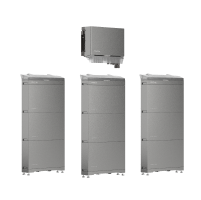
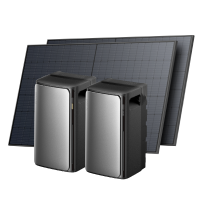
A home battery system like the EcoFlow PowerOcean (Single-Phase) is built for exactly this. Its modular design lets you expand from 5kWh to 45kWh, allowing you to capture that excess solar energy during the day. By prioritizing this stored power during the expensive evening peak, you can fundamentally change your cost structure and slash those high-tariff charges shown on your calculator.
4. Monitor Usage to Identify Energy Waste
While we’re talking about running the big gear, let’s keep it safe. You don’t want to overload your circuits by running the dryer, the oven, and the aircon all on the same line at once. Not only is it a fire risk, but it’s also the quickest way to trip a breaker and ruin your night.
To move from "guesstimating" to actual management, you can use something like the EcoFlow PowerInsight 2. Its 11-inch touchscreen shows your entire home’s energy flow in real-time, helping you spot "phantom loads" or appliances that are hogging the power. Feeding this precise data back into your planning makes your electricity bill calculations way more predictable.

How to Optimize Energy Use with an Electricity Bill Calculator
Think of an electricity bill calculator not as a one-off tool, but as your household’s "savings GPS." It’s there to help you navigate away from those nasty surprises and steer your budget toward some serious long-term wins.
1. Compare Estimated and Actual Bills
When your actual quarterly bill lands in the letterbox (or your inbox), don't just pay it and grumble. Sit down and put it side-by-side with your calculator’s estimate. If there’s a massive gap, it’s time to play detective. Did that February heatwave have the AC running double shifts? Did the kids spend half the morning in the shower? This comparison helps you sniff out the "energy hogs" in your home and makes your future estimates way more accurate.
2. Adjust Household Habits
The best part of a calculator is running "what-if" scenarios to see where you can trim the fat. What if we only used the dryer twice a week and made the most of the Aussie sun on the Hills Hoist instead? What if we shifted the pool pump to run during the midday solar peak? Seeing those potential yearly savings in cold, hard "dollarydoos" is usually all the motivation you need to stick to better habits.
3. Plan for Long-Term Energy Improvements
If your calculator shows that your peak evening usage is still killing your budget despite your best efforts, it might be time to stop defensive playing and go on the attack.
Instead of just paying the electricity retailers for the rest of your life, use your data to build a "business case" for your own home. If those 6 PM to 9 PM peak tariffs are the main culprit on your calculator, you can look into a payback period for solar battery storage to gain true energy independence.
What kind of product or solution are you interested in?

Conclusion
Using an electricity bill calculator is just about taking the guesswork out of your life. It’s the first step toward stopping that "bill shock" from ruining your week. By getting a handle on your habits, prepping for the seasonal swings, and maybe looking into some smart gear like solar batteries or a monitoring hub, you can turn a scary bill into something you actually have a handle on.
There’s no need to keep paying the "lazy tax" to energy retailers. Start crunching the numbers today—you might find enough extra cash in your usage patterns to fund your next weekend away or a proper barbie with the mates.
FAQs
1. What is the average electricity bill per month in Australia?
According to the Australian Energy Regulator (AER, 2025), the average monthly electricity bill ranges from $100 to $150 per person, depending on state, household size, and whether you have solar panels. Peak vs off-peak rates and seasonal usage can also cause significant fluctuations.
2. How to calculate monthly electricity bill?
Multiply your daily kilowatt-hour (kWh) usage by your electricity rate and add the daily supply charge. Don’t forget to account for peak vs off-peak pricing, which can cost 2–3x more during peak hours (usually 5–9 PM), according to AER guidelines. Using a home energy monitoring solution can give precise data for your calculations.
Monthly Electricity Cost:
Total Cost=(Daily Usage in kWh×Rate per kWh)+(Daily Supply Charge×Days in Month)
3. How can I reduce my electricity bill?
You can lower your monthly costs by shifting appliance use to off-peak hours, upgrading to energy-efficient appliances, and using a residential solar battery system to avoid high peak electricity rates.
4. What appliances use the most power?
Heating and cooling systems are the biggest energy consumers in the home, followed by water heaters, dryers, and refrigerators. Keeping these well-maintained is key to lowering costs.
5. Does unplugging appliances save energy?
Yes, unplugging appliances saves energy by eliminating Phantom loads, or standby power, which can account for up to 10% of a household’s electricity consumption, according to research by the Clean Energy Council.

