
Cost of Installing Air Con in Australia: What Homeowners Need to Know
Staying comfortable during the Australian summer requires more than just turning on a fan — installing air conditioning involves careful planning, costs, and compliance with local regulations. Installing air conditioning in Australia involves more than just picking a unit off the shelf; it requires balancing unit prices, specialist labour rates, and the unique layout of your home.
In this guide, we’ll break down the current market costs for different systems from split units to ducted setups, explore the hidden factors that nudge quotes upward, and look at smart energy solutions to keep your long-term running costs from hitting the roof.
What Does Installation Cost?
Getting a handle on the initial layout is the first step toward a cooler summer. While every house is different, the Australian market generally follows a predictable pricing structure based on the complexity of the job.
1. Typical Installation Cost by System Type
Budgeting starts with the hardware. For a standard back-to-back split system installation (where the indoor and outdoor units are on opposite sides of the same wall), you’re looking at $700 to $1,200 for labour, plus the cost of the unit. Multi-head split systems or comprehensive ducted air conditioning are bigger projects, with ducted installations usually starting around $9,000 and potentially climbing over $20,000 for large, multi-story family homes.
| System Type | Unit Cost | Labour Cost | Total Range | Additional Cost Factors |
|---|---|---|---|---|
| Single-Room Split | $800–$2,000 | $700–$1,200 | $1,500–$3,200 | Easy outdoor unit installation |
| Multi-Head Split | $1,500–$4,000 | $1,000–$2,000 | $2,500–$6,000 | Wall drilling, multiple indoor units |
| Ducted | $9,000–$20,000+ | $3,000–$5,000 | $12,000–$25,000+ | Roof space, multiple vents, zoning control |
This table gives a quick overview of typical system costs and factors that might increase your quote.
2. Installation Cost Breakdown
It’s helpful to see where your money is actually going. Generally, your quote is split into equipment costs (the unit itself), labour (licensed electricians and refrigeration mechanics), and materials (piping, brackets, and cables). In Australia, tradie rates usually sit between $80 and $120 per hour, and since "sparkies" and "fridgeys" are highly regulated for safety, these professional fees make up a significant chunk of the total.
Note on Location: Keep in mind that labour rates vary by state. Homeowners in Sydney (NSW) and Melbourne (VIC) often face slightly higher installation premiums due to high demand and living costs, whereas rates in Queensland (QLD) or Western Australia (WA) can be more competitive, though rural call-out fees may apply. "Rates may vary slightly between states like NSW and QLD due to local demand."
3. When Installation Costs Are Higher Than Average
Sometimes a "simple" job hits a snag. You’ll likely see a price hike if your outdoor unit needs to be mounted on a roof, if you require "poly slabs" for uneven ground, or if the indoor unit is located far from the electrical switchboard. If your installer has to crawl through tight ceiling spaces or work on a multi-story building, expect the labour component to reflect that extra effort.
What Determines the Final Installation Cost?
Beyond the sticker price of the machine, several structural and technical variables will dictate the final figure on your invoice.
1. Cooling Capacity and System Sizing
Size definitely matters here. A unit that’s too small will work overtime and die young, while one that’s too large will "short cycle," wasting energy and failing to dehumidify. Systems are measured in kilowatts (kW); a small 2.5kW unit for a study is significantly cheaper to install than a heavy-duty 8kW beast designed for an open-plan living area.
2. Property Layout and Structural Complexity
House layout plays a massive role. Weatherboard homes are often easier to drill through than double-brick or concrete structures. Furthermore, if you’re opting for a ducted system, the amount of "roof real estate" available for the internal fan coil and ducting pipes will determine how many zones you can realistically have.
3. Electrical System Requirements
Modern air conditioners are power-hungry. If your home is an older Australian classic, your existing switchboard might not handle the additional load. Upgrading a circuit, installing a dedicated safety switch, or integrating a Home energy management system(HEMS) to monitor and balance the new electrical demand can add $300 to $800 to your project, but it’s a non-negotiable step for fire safety and compliance.
4. Ductwork and Air Distribution Design
For those going the ducted route, the "invisible" parts cost the most. High-quality insulated ducting prevents "thermal loss" (the air getting warm before it hits the vent). The more vents and zones you add to allow individual temperature control in bedrooms versus the kitchen, the higher the material and labour costs will climb.
Running and Long-Term Costs to Consider
The installation is just the "Upfront cost"—the real cost of air con is felt over the next ten years of Aussie summers.
1. Electricity Usage and Peak Demand Costs
With Australian energy prices being some of the highest in the world, running costs are a major factor. For example, a 5kW split system running about 6 hours per day during summer can cost approximately $600–$800 per year in electricity, depending on your local tariffs. Over a 10–15 year lifespan, this can add $6,000–$12,000 to your total cost of ownership, which highlights why choosing the right system size and efficiency rating is crucial.
2. Maintenance and Repair Expenses
To keep your warranty valid and the air smelling fresh, annual servicing is a must. A professional check-up usually costs around $150 to $250. Skipping this often leads to clogged filters and overworked compressors, which can result in four-figure repair bills down the track.
3. Lifespan and Total Cost of Ownership
Most quality systems last 10 to 15 years. When you calculate the "Total Cost of Ownership," a cheaper, less efficient unit often ends up being more expensive than a premium model because of the higher monthly power bills and more frequent breakdowns.
Strategies to Reduce Air Con Installation and Energy Costs
Reducing your energy bills doesn’t have to be difficult; it requires understanding how your home consumes power and optimising usage accordingly.
1. Optimising System Size and Home Efficiency
Before the installer arrives, look at your insulation and window shading. Improving your "thermal envelope" might mean you only need a 5kW unit instead of a 7kW one, saving you money on both the purchase price and the lifetime running costs.
2. Installing During Lower Demand Periods
Don't wait for a 40-degree day in January to call a licensed electrician. If you book your installation during the "shoulder seasons" of Autumn or Spring, you’re more likely to find installers with open schedules who might offer "off-peak" discounts to keep their crews busy.
3. Monitoring Air Con Energy Usage in Real Time
Managing air conditioning costs effectively relies on clear, real-time data. Many Australian homeowners find it challenging to gauge how temperature settings, operating modes, and insulation affect energy use without proper monitoring tools.
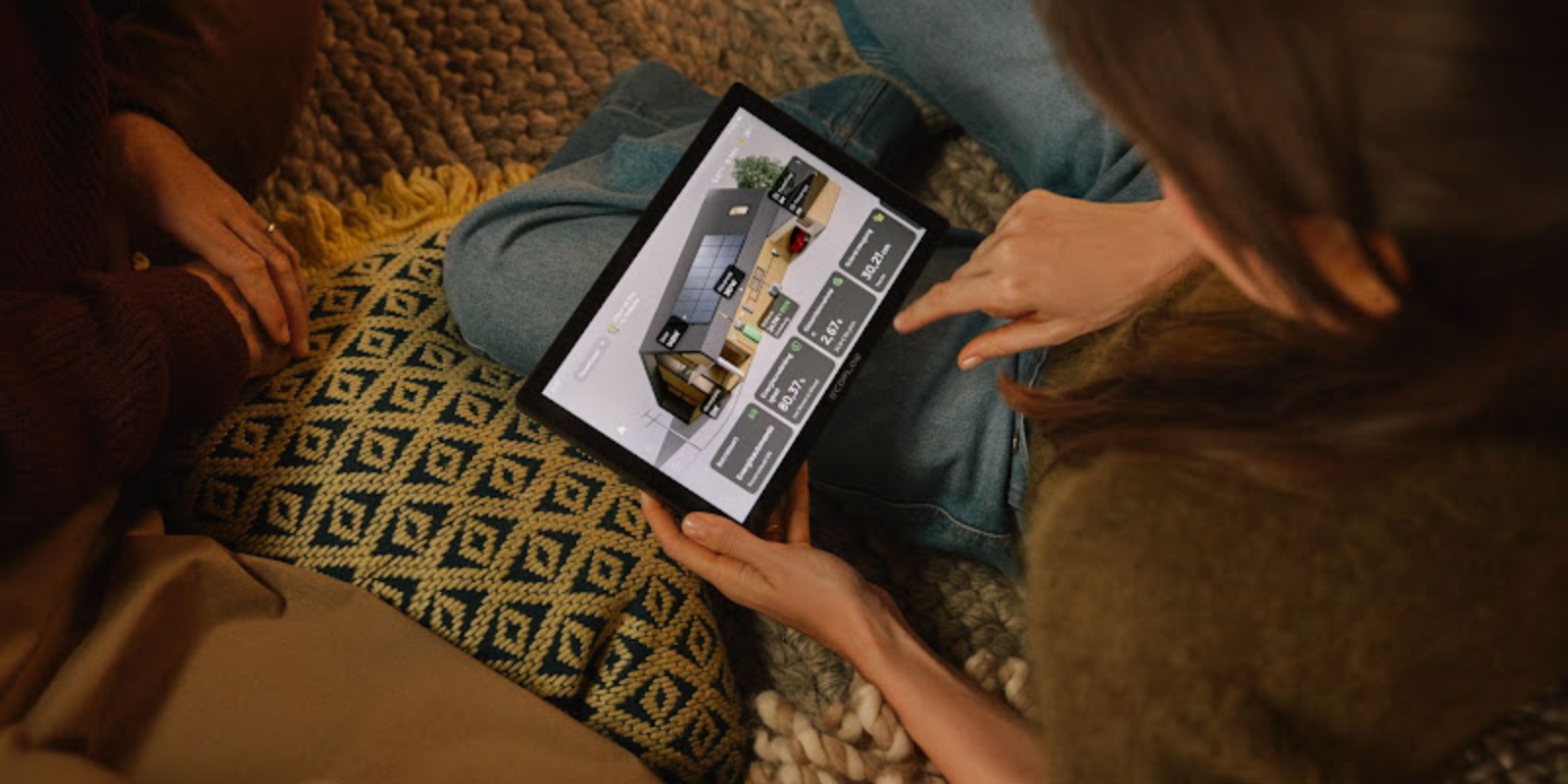
By implementing a monitoring strategy, you can identify high-energy patterns and catch standby power drains, allowing you to refine your schedule and slash bills without losing your cool. This is where smart setups like the EcoFlow PowerInsight 2 actually pay off. Instead of guessing how much your AC is costing you, you can see it live on the screen and adjust your cooling before the bill hits.
4. Managing Peak Electricity Usage with Home Energy Storage
Due to Australia’s Time-of-Use (ToU) tariff system, peak air con usage usually overlaps with the most expensive electricity rates in the evening. Rather than just turning the AC off, a more proactive strategy is "energy time-shifting" via a storage system. By storing cheap solar power during the day to use in the evening, you can bypass peak grid prices and fundamentally change the cost structure of running your home.
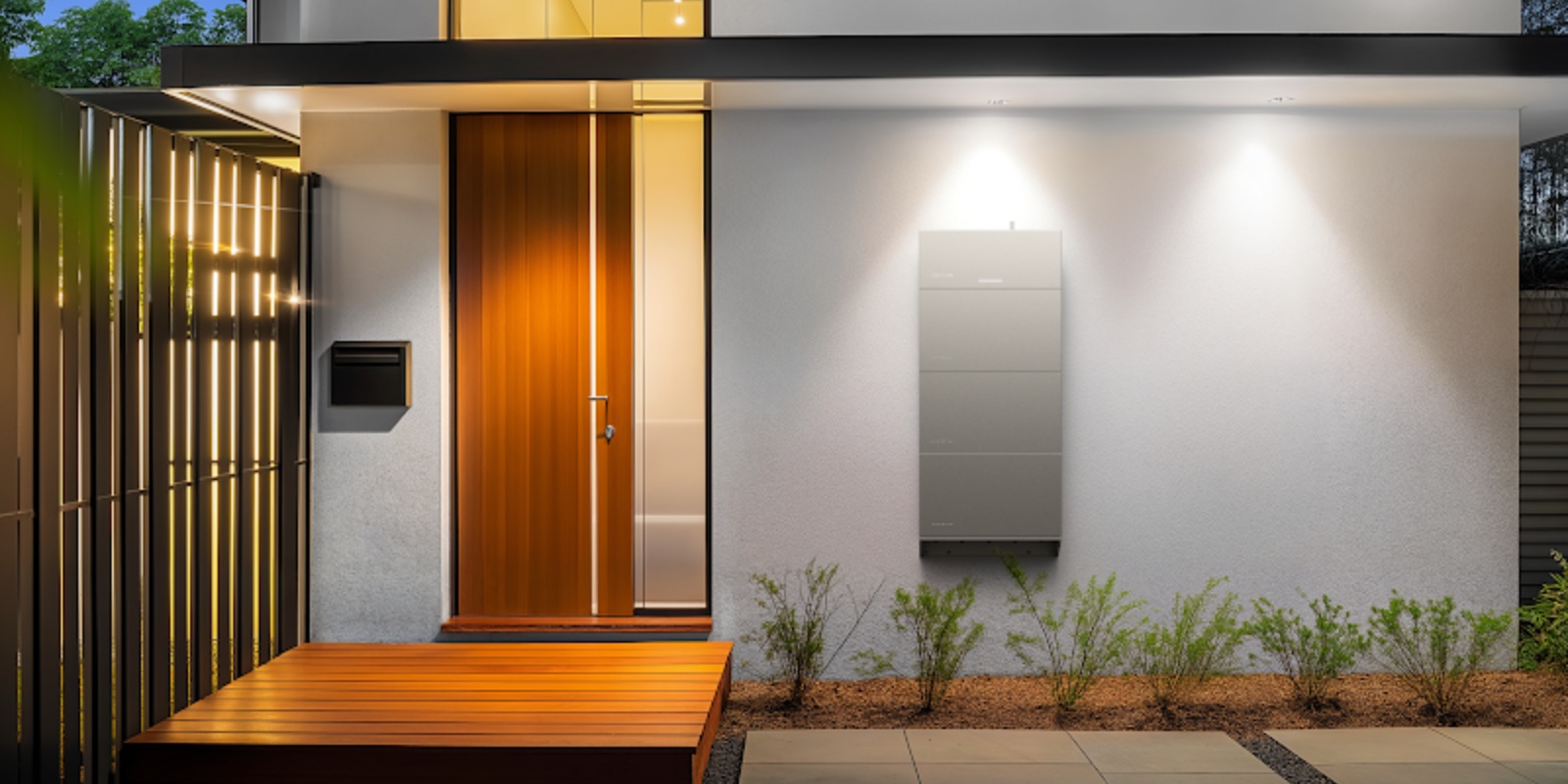
The EcoFlow PowerOcean (Single-Phase) home battery solution ensures your air con keeps humming even if a summer storm knocks out the local grid. By drastically reducing reliance on expensive peak-hour grid power, most homeowners find that the system pays for itself through energy savings within 5 to 8 years, depending on local solar feed-in tariffs and usage patterns. This transforms your AC from a seasonal expense into a long-term, self-sustaining asset.
What kind of product or solution are you interested in?


Conclusion
In Australia, DIY air con installation is illegal. You need a licensed refrigeration mechanic and a licensed electrician to sign off on the work. If you try to do it yourself, you aren't just risking a fine; you're voiding your home insurance. If that unit causes a fire or a leak, you're on your own. Whether you are installing a standalone unit or integrating it with solar batteries for a complete energy solution, professional certification is the only way to ensure your property is protected. If that unit causes a fire or a leak, and the work wasn't certified, you're on your own.
FAQs
1. Can I install an air conditioner myself?
No, you cannot legally install a split or ducted air conditioner yourself in Australia. All installations must comply with Australian Standard AS/NZS 5149. This ensures safe handling of refrigerants and correct electrical wiring. You must hire a licensed electrician holding a Full Refrigeration and Air Conditioning Licence and a licensed electrician to complete the work safely and legally. Attempting DIY installation not only violates regulations but also poses serious safety risks, including fire hazards and refrigerant leaks.
2. Do I need permission to install an aircon?
In many cases, yes, especially if you live in a strata-managed apartment or a townhouse. You’ll need to check with your Body Corporate regarding the noise levels and placement of the outdoor unit; for standalone houses, you generally don't need council approval unless the unit is particularly loud or close to a boundary.
3. What are common AC installation mistakes?
The most common mistakes include choosing an undersized unit, placing the thermostat in a drafty spot, and poor drainage installation. If the indoor unit isn't levelled correctly, water can leak down your walls, leading to mould and structural damage.
4. How long to let AC sit after installing?
You should generally wait about 30 minutes to an hour before turning the unit on. This allows the refrigerant oil to settle in the compressor after being handled and moved during the installation process.
5. What to consider when installing an aircon?
The main things to consider are the energy rating (Stars), the noise level of the outdoor unit, and the "zoning" capabilities. You should also think about how the system will integrate with your existing solar or home battery setup to ensure maximum efficiency.

