
Alternating Current (AC) vs. Direct Current (DC) Explained: Power Differences Every Australian Should Know
Electricity powers homes, schools, offices, and transport across Australia today. Most people use power daily without knowing how it works. Two main electrical systems move energy through wires differently. These systems affect appliances, solar panels, and charging devices. This guide explains the differences using clear, simple, everyday language. It shows where energy comes from and reaches homes.
We compare alternating current and direct current simply. The focus stays on real use in homes and workplaces. You will learn whydirect current and ACmatter today. By the end, power choices feel clearer overall.
Simple Power Basics: Alternating Current vs. Direct Current
To get a basic idea of the working of electricity in practical life, it is better to begin with the basics. AC vs. DC demonstrates that there are two directions to the flow of electricity in Australia.
What Is Alternating Current (AC)?
Alternating current, or AC, powers most homes and workplaces in Australia. In AC systems, electricity changes direction, not flowing in one direction. This back-and-forth movement helps send power long distances. In Australia, AC changes direction 50 times every second. Australia uses 50 hertz electricity. Homes receive 230V.
These settings help electricity travel efficiently across the national grid. Australia uses AC because it suits large connected power networks. Power plants generate AC power for the whole nation. Transmission lines and local systems contain electricity. It is then distributed into houses, schools, offices, and other structures.
What Is Direct Current (DC)?
Direct current, also called DC, flows in one direction only. DC power flows in one steady direction. This makes it suitable for electronics and energy storage. Batteries, solar panels, and fuel cells produce DC power. Devices like phones, laptops, cameras, and electric vehicles use it. They need steady power to work safely.
Batteries store DC because it remains stable. Stable power keeps electronic parts safe. It also makes energy storage possible.
AC Current vs. DC Current: Core Flow Differences
Once the basics are clear, it becomes easier to see how AC vs. DC current systems differ. The table below explains the differences and why both current types exist:
Feature | Alternating Current (AC) | Direct Current (DC) |
|---|---|---|
Direction of flow | Changes direction | Flows one way |
Main use | Homes, offices, power grids | Batteries, electronics |
Voltage conversion | Easy with transformers | Requires electronic converters |
Storage ability | Not stored directly | Easily stored |
Common examples | Wall sockets, lighting | Solar panels, phones |
Difference Between AC and DC Voltage Explained Simply
They are repetitive waves with an increase and decrease in AC voltage. This alternating flow enables electricity to cover long distances at a reduced loss. A voltage can be increased or decreased during transmission by the power companies with ease. That is why AC is more suitable for the vast territory of Australia, where the electricity has to pass through cities, regions, and isolated territories before it reaches homes and enterprises.
DC current remains constant and moves in a single direction. This renders it dependable in terms of electronics, batteries, and solar systems. There are no abrupt fluctuations in the supply of devices. But without converters, DC voltage cannot be easily adjusted. The difference between AC voltage and DC voltage explains why homes use AC, while devices rely on DC power.
AC vs. DC Electricity in Daily Australian Life
We shall find out the manifestations of AC and DC in everyday life. Here, both forms of electricity are used by Australians in their daily life, and people usually do not realize how they complement each other.
AC Power in Homes and Workplaces: Alternating current runs lights, air conditioners, televisions, and kitchen appliances. Many public places use AC power from the grid.
AC Power in National Grids: Power stations generate AC electricity and send it across long distances. This allows electricity to reach cities, regional towns, and remote areas reliably.
DC Power in Personal Devices: Phones, laptops, tablets, and wireless accessories all use DC power. These gadgets require continuous power to be able to work in a safe and efficient manner.
DC Power in Electric Vehicles: Electric vehicles store DC energy in batteries. This stored power runs motors and onboard systems during driving.
DC Power in Solar Systems: Rooftop solar panels turn sunlight into DC electricity. Stored power runs motors and onboard systems while driving.
Everyday Use Together: A phone charger takes AC power and outputs DC. Solar systems and batteries show AC-DC use.
AC and DC Power Difference in Solar Energy Systems
Solar energy works differently from traditional grid electricity, which can confuse many homeowners. The reason is simple. Solar systems rely on two types of power that serve different jobs. Understanding this setup helps explain how solar power is generated, stored, and used in Australian homes. Once the basics are clear, the AC and DC power difference becomes easier to understand in everyday solar use.
How Solar Panels Generate Power
Solar panels make DC power. The power moves one way only. This kind of power stays steady. It is easy to store in the home battery storage. That is why solar panels and home batteries always operate using DC power at first.
Why Homes Need AC Power
Homes across Australia are designed to run on alternating current. Lights, refrigerators, air conditioners, and other appliances require AC electricity. Therefore, the DC power created by solar panels cannot be used directly inside the home without being converted.
The Role of Inverters
An inverter connects the solar system to the home. Its role is basic, yet important. It converts DC power into AC power that matches household requirements. This step allows solar energy to run appliances safely and feed excess electricity back into the grid.
Why Conversion Matters in Australia
Australia uses a lot of solar power, so power conversion is important. Inverters help electricity work properly in different places and weather.
What an inverter does: The direct current to alternating current converter used in homes
Use in solar systems: Allows solar energy to run household electricity during the day.
Use in batteries: Batteries store DC power and send it through an inverter when needed.
Use in backup systems: During outages, inverters help store energy to power essential appliances.
This conversion process allows solar panels, batteries, and homes to work together across Australia.
Smart Home Energy Tips: Reliable AC Output From DC Storage
Solar systems work differently from standard grid electricity. Solar panels and batteries store power as direct current, while Australian homes use alternating current. Home appliances do not work with stored solar power directly. The following tips show how DC electricity becomes usable AC power:
Use a Home Battery System to Manage DC Storage
Home battery systems are designed to handle this conversion efficiently. Therefore, EcoFlow Home Battery Solutions stores solar energy safely and converts it into stable AC electricity. This allows households to use stored energy during evenings, outages, and peak tariff hours. It also helps reduce reliance on the grid during heatwaves
Choose the Right Battery Option for Your Home
These choices help you select a battery size for your home:
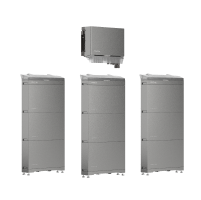
1. EcoFlow PowerOcean Single-Phase Battery
Designed for standard Australian single-phase households. It works well for normal daily power use. The system supports reliable power during normal operations. It integrates easily with common residential electrical setups.
Key Aspects
With a single battery of 5kWh, easily stack up to 15kWh of total battery storage across a single hybrid inverter.
Extend up to 45kWh using three hybrid inverters according to capacity needs.
Up to 6 kW continuous power output.
Single-phase system for residential homes.
What it can power: everyday household appliances.

2.EcoFlow PowerOcean Home Battery (Three-Phase)
This system is for big homes with three-phase power. It can handle more electricity. Power is spread across the house. It still works well when everyone is using power.
Key Aspects
Starting from 5kWh battery modules, scale up to 45kWh of usable energy according to your energy requirement.
Delivers up to 12 kW of steady output power.
Designed for homes with three-phase electrical systems.
What it can power: kitchens, heating systems, and several home circuits.

3.EcoFlow PowerOcean Plus Solar Battery (Three-Phase)
This solution is perfect for small businesses and homes with very high energy needs. Small commercial sites and large households often need a stronger, more stable power supply. The design matches properties running many appliances together. It supports energy reliability during outages and peak demand.
Key Aspects
Starts with a 5kWh pack and allows an easy extension till 180kWh for light-commercial needs.
Supports up to 40kW of solar input with a maximum output of 29.9kW.
Supports three-phase power for whole-home use and small business applications.
What it can power: workshops and all household circuits.

Use Smart Management Systems for Better Energy Control
Battery storage works best when energy use is managed properly at home. EcoFlow Intelligent HEMS helps manage electricity use at home. You can see power being used right now. It can be applied to saving power during hot days or on busy days. You can talk to EcoFlow energy consultants to know the most appropriate setup.
What kind of product or solution are you interested in?
AC vs DC Current: Which Is Better?
Whether AC or DC is used depends on the situation. Every form of electricity has its purpose and application. The two play a significant role in the power system of Australia, and they are applied differently. Knowing how they differ explains why one cannot completely replace the other.
There is no clear winner between AC and DC current. AC suits long-distance electricity delivery across Australia. DC works better for batteries and electronic devices. Both power types are needed. Both power types work together to keep things running each day.
Conclusion
To conclude, understanding electricity helps Australians make better energy choices. Homes rely on AC, while storage and devices depend on DC. Knowing how direct current AC works explains solar, batteries, and daily power use. As energy costs rise, solutions like EcoFlow help households store solar power, manage outages, and use electricity more efficiently every day.
FAQs
1. What is Australia's main source of electricity?
Australia mainly generates electricity from coal, gas, and renewables like solar. Large power stations send AC electricity through the national grid. Home batteries, including EcoFlow systems, store energy locally and support homes during outages or high-demand periods across Australia.
2. Why did Australia go from 240V to 230V?
Australia shifted from 240V to 230V to match international standards. The change improved compatibility with imported appliances. In practice, household supply still sits close to old levels, so existing devices work safely without changes across most Australian homes today nationwide.
3. How can you tell if power is AC or DC?
You can tell by the source. Wall sockets supply AC power. Batteries and solar panels supply DC power. Chargers change power so devices can work. This assists individuals in knowing about alternating current DC in their daily lives in Australia, either at home, at their workplace, or even on the road.
4. Why don't we use DC power in our homes?
Homes use AC because it travels long distances efficiently. DC suits storage, not distribution. Home batteries, such as EcoFlow PowerOcean systems, store DC energy and convert it to AC, so appliances run normally indoors across Australian households every single day.
5. Do TVs run on AC or DC power?
TVs receive AC power from wall outlets. Inside, they convert it to DC for screens and circuits. This setup shows alternating current DC working together in modern electronics used daily in Australian homes without user effort or special knowledge.

