
How Much Power Can a 6.6kW Solar System Generate?
If you’ve been chatting with your neighbours, talking to a local installer, or doom-scrolling Aussie solar Facebook groups, you’ve probably noticed one system size popping up everywhere: the 6.6kW solar system. It’s often called the Goldilocks of Australian rooftop solar - not too small, not too big, and just right for most suburban homes. It also happens to line up perfectly with government rebates, which explains why you see it on so many roofs.
But before you lock anything in, the big question is pretty simple: what does “6.6kW” actually mean in real life? Will it cover the kettle, washing machine, and air con on a 40-degree January scorcher? Or is it just a nice number on paper? Let’s break down what a 6.6kW solar system really produces in Australian conditions, what affects those numbers, and how to squeeze every last dollar out of our famous Aussie sunshine.
Understanding a 6.6kW Solar System
To get the most out of solar, it helps to know what’s actually happening on your roof. A 6.6kW system is popular because it hits a sweet spot between panel size, inverter limits, and rebate eligibility.
1. What Does a 6.6kW Rating Actually Mean?
The 6.6kW rating refers to the output of all your solar panels under ideal test conditions. In the industry, this is known as DC capacity - basically the best-case scenario in a lab, not your roof on a cloudy morning.
In Australia, most 6.6kW systems are paired with a 5kW inverter. This slight “oversizing” is actually a smart move. It helps the system reach the inverter’s full output earlier in the morning and keep producing strong power later in the afternoon, rather than just peaking at midday.
2. Key Components That Affect Output
Panels might get all the attention, but they’re only part of the story.
Your system also relies on the inverter, which turns solar energy into usable household power; racking and cabling, which keep everything connected. Higher-quality components mean more of that 6.6kW would end up running your fridge, TV, and air con.
3. How Solar Panel Efficiency Works
Panel efficiency is simply how much sunlight gets turned into electricity. Higher-efficiency panels need less roof space to reach 6.6kW, which is a big win if your roof is small, oddly shaped, or cluttered with vents and skylights. If north-facing space is limited, efficiency really matters.
How Much Energy Does a 6.6kW System Produce?
Knowing the theory is helpful, but what does a 6.6kW solar system actually deliver for your home across the Great Southern Land?
Daily, Monthly, and Annual Output
On average, a 6.6kW solar system in Australia produces around 24–28 kWh per day, depending on where you live and the time of year. Here’s a rough guide on daily and annual output for major cities in Australia:
| Location | Daily Output (kWh) | Annual Output (kWh) | Notes |
|---|---|---|---|
| Perth | 26–28 | 9,500–10,500 | Sunny, high yield |
| Melbourne | 20–24 | 8,000–9,000 | Noticeable winter dip |
As you can see, sunnier cities like Perth crank out more power than cooler, cloudier spots like Melbourne.
What Affects Real-World Solar Output?
In the real world, you’re seldom going to hit the “perfect” number every day, and that’s totally normal. A few everyday factors can push your output up or down:
Sunlight Hours & Seasons: Big summer days mean big generation; winter naturally dips
Panel Orientation & Tilt: In Australia, north-facing panels maximise total output, while west-facing ones shine in the late afternoon - great for post-work air con
Shading: Even partial shade from a tree or your neighbour’s chimney can seriously reduce output
Heat: Panels actually lose a bit of efficiency in extreme heat - yes, those scorching Aussie summer days can ironically hurt the solar output
Dirt & Grime: Dust, bird droppings, and coastal salt spray can block sunlight like a curtain
Inverter Quality: As the brain of the system, a better inverter means less energy lost during conversion
How to Get the Most Out of a 6.6kW Solar System
Once the sparky packs up and leaves, the real goal is simple: make your system work as hard as possible for your power bill.
1. Routine Cleaning and Maintenance
A gentle hose-down every few months, especially during dry periods, can boost output by around 5% or more. Watch out for bird droppings (cockatoos are repeat offenders), as they can cause hot spots if left there too long.
2. Monitoring System Performance Regularly
To keep a 6.6kW solar system performing at its best over the long haul, it’s not something you can just set and forget. Understanding how much power your system is generating, and how that lines up with your household’s energy use, is key. It helps you pick up on issues like unexpected dips in output, new shading on your panels, or inverter problems before they quietly chew through your savings. Keeping an eye on generation helps you catch issues early and fine-tune how you use power.
Tools like the EcoFlow PowerInsight 2 make this easy. Its 11-inch touchscreen shows real-time solar generation, household usage, and battery status. It also flags unusual behaviour, so you can take action before small problems turn into bigger bills.
3. Planning for Future Expansion
A 6.6kW system is plenty for many Aussie homes today. But energy use grows fast. EVs, heated pools, and extra air conditioners all add up. Choosing components that can handle expansion later can save you from replacing gear down the track.
4. Optimising Self-Consumption
The real secret to solar success in Australia is using your own power. Every kilowatt-hour you use during the day is one you’re not buying from the grid at 30+ cents.
5. Integrating with Home Energy Storage
Even if your system pumps out heaps of power during the day, most households use more electricity at night. Without a proper battery, excess solar gets exported for a relatively low feed-in tariff, and you still pay full price after sunset. Investing in a quality Solar battery Storage system allows you to store the excess daytime solar and release it when you actually need it.
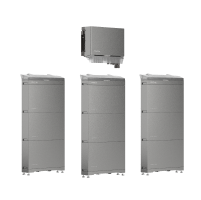
Battery systems like the EcoFlow PowerOcean Single-Phase Storage System store the excess daytime solar and release it when you actually need it. Modular designs let you add capacity later, making batteries a flexible option as your energy needs grow. Its reliable management system also ensures your batteries stay healthy for years to come, giving you a secure energy safety net.
Safety and Installation Considerations
Maximising output is great, but safe installation and maintenance are just as important:
1. Battery Storage Safety
Keep battery systems within recommended temperature ranges and avoid overcharging to extend lifespan.
2. Solar Panel Installation
Ensure mounting meets Australian standards, waterproofing needs, and wind-load requirements to prevent panel damage.
3. Regular Inspections
Inspect wiring, mounting, and inverters on a regular basis for wear or damage to prevent potential safety issues.

Common Myths About 6.6kW Solar Systems
Don’t get caught up in the usual pub talk and backyard advice. Here’s the straight-up truth behind some of the most common solar myths:
1. A 6.6kW Solar System Can Power Your Home 24/7
Truth: A 6.6kW solar system can generate plenty of electricity, but without a battery, it only produces power while the sun’s out.
It’s a real workhorse during the day, but once the sun goes down, you’ll still be drawing electricity from the grid, or from battery storage if you have one.
2. A Bigger Solar System Always Means Bigger Savings
Truth: Bigger isn’t always better when it comes to solar.
There’s a point where returns start to drop off. If you install a large system but you’re not home during the day to use the power, and your feed-in tariff is low, you could end up paying for extra panels that don’t really pay you back.
3. Feed-in Tariffs Guarantee High Returns
Truth: Those old-school 40-cent feed-in tariffs are long gone.
These days, most households earn around 5 to 10 cents per kWh for exported solar power. That’s why the smartest way to save with solar is to use as much of your own energy as possible, or store it in a battery for later.
What kind of product or solution are you interested in?

Conclusion
For most households, a 6.6kW solar system is one of the best-value solar setups you can get in Australia. It offers strong bill savings, excellent rebate eligibility, and enough capacity for most families. With good maintenance, smart monitoring, and the right Solar batteries, it can turn your roof into a genuine household power station.
FAQs
1. Is a 6.6 kW solar system worth it?
Yes. It’s widely seen as the best value-for-money option in Australia, thanks to government rebates and enough capacity to comfortably cover the needs of a typical family home. The system often pays for itself in 3-5 years, depending on where you live and how you use your electricity.
2. Is 6.6 kW solar enough for a 4 bedroom house?
For most 4-bedroom homes with standard appliances, a 6.6kW system is a solid all-round choice. It comfortably covers the household baseload and usually still kicks out plenty of extra power during the day. If your home has a heated pool or multiple air conditioners, you might want to look at a larger system or add a battery to get the most value.
3. How many solar panels are needed for 6.6 kW?
You will usually need around 15 to 18 panels, depending on the wattage of each module. With modern high-output panels, typically 400W-440W, you can hit the 6.6kW mark with fewer panels compared to older, lower-wattage models.
4. What size inverter do I need for a 6.6 kW solar system?
A 5kW inverter is the standard and most common pairing. It helps you maximise your STC rebate and keeps the inverter running efficiently for more hours across the day.
5. How much does it cost to install 6.6 kW solar system?
In Australia, most quality installs sit between $5,500 and $9,000 fully after the federal rebate. The price also depends on brands, roof complexity, and locations.

