
Understanding Southern California Edison Rates: TOU vs. Tiered Explained
Understanding Southern California Edison rates can be frustrating when peak-hour charges and tier jumps unexpectedly inflate your monthly bill. Whether you are struggling with expensive 4 PM – 9 PM windows or hitting high-usage tiers, the complexity of these plans often feels like a losing battle for your wallet. The EcoFlow PowerOcean Pro, paired with the Power Insight 2 dashboard, offers the perfect long-term solution by automating your energy management with industrial-grade reliability. This smart system empowers you to bypass high grid costs entirely, ensuring your home remains powered efficiently regardless of utility rate fluctuations.
Decoding Southern California Edison electric rates
Navigating Southern California Edison rates requires understanding two primary components: generation (the cost of producing electricity) and delivery (the cost of maintaining the grid). Starting late 2025, SCE introduced a new Base Services Charge, a fixed monthly fee based on household income levels, shifting the billing structure toward a combination of fixed and variable costs.
It should be known that the Southern California Edison increase rates trend has seen a staggering 83% rise over the last decade. Current hikes are driven by the General Rate Case (GRC) approvals to fund massive wildfire mitigation, grid modernization, and infrastructure hardening.
That's why, choosing the right plan is critical. Southern California Edison tier rates utilize a baseline allowance; once exceeded, "Tier 2" pricing triggers significant surcharges. Alternatively, Southern California Edison TOU rates (like TOU-D-4-9PM or 5-8PM) charge based on when you use power. For most, the high peak-hour costs make TOU plans difficult to manage without automated battery storage.
Seasonality and the price of Southern California Edison summer rates
The time of year significantly dictates how much you pay for power. While winter offers some relief, the transition into warmer months brings aggressive pricing structures that can catch homeowners off guard.
Seasonal variations
Southern California Edison summer rates officially go into effect during the summer season, which runs from June 1 through October 1. This four-month window is characterized by a massive surge in regional demand as millions of air conditioners work simultaneously to combat the California heat. To manage this load, SCE implements steep price spikes during peak windows, often making electricity twice as expensive as it is during the spring.
When analyzing Southern California Edison electricity rates by season, the contrast is stark. The 8-month winter period is generally more affordable, but the 4-month summer period is where most household budgets break. High-draw appliances like central air conditioning and pool pumps running during summer afternoons can easily double a standard monthly bill, pushing many users into the most expensive price tiers.
Additional savings
However, there is a "Super Off-Peak" opportunity hidden within these schedules. During the winter (and specific hours in summer), electricity is at its cheapest, typically between 8 AM and 4 PM. Identifying and leveraging these hours is the key to minimizing costs.
To truly capitalize on these low-rate windows without manually changing your lifestyle, you need a system that can intelligently store that cheap energy for later use. This is where the EcoFlow Ocean Pro becomes an essential asset for any SoCal home.
Meet the home backup solution: EcoFlow Ocean Pro

EcoFlow Ocean Pro
Key features:
Scalable modular capacity: Start with 10 kWhbattery backup solution and expand up to 80 kWh per inverter. This high-voltage LFP system(380–550V DC) ensures maximum efficiency and flexibility as your household energy needs grow.
Professional grade power output: Professional electricians can configure nominal output to 11.5 kW or 24 kW AC. With a 205A LRA surge capability, it effortlessly starts heavy appliances like central AC and pool pumps.
Rapid multi-source charging: The system supports a 24 kW continuous charge rate and up to 40 kW of solar input via 8 MPPTs. This allows for lightning-fast recharging during brief off-peak solar or grid windows.
Extreme outdoor durability: Rated IP67 with a NEMA 3R enclosure, the system thrives in SoCal’s climate, operating from –20°C to 60°C. Additionally, the system features flood resistance up to 3.3 feet for added security, UL 9540 fire safety certification, and industry-leading 15-year warranty.
Intelligent mode savings: The EcoFlow app’s "Intelligent Mode" uses AI to automatically sync with Southern California Edison rates schedules. It performs peak shaving (4-9 PM window), optimizes off-peak charging, and uses weather forecasting to prioritize backup energy if a Public Safety Power Shutoff (PSPS)is predicted, ensuring maximum cost savings and reliability without manual effort.
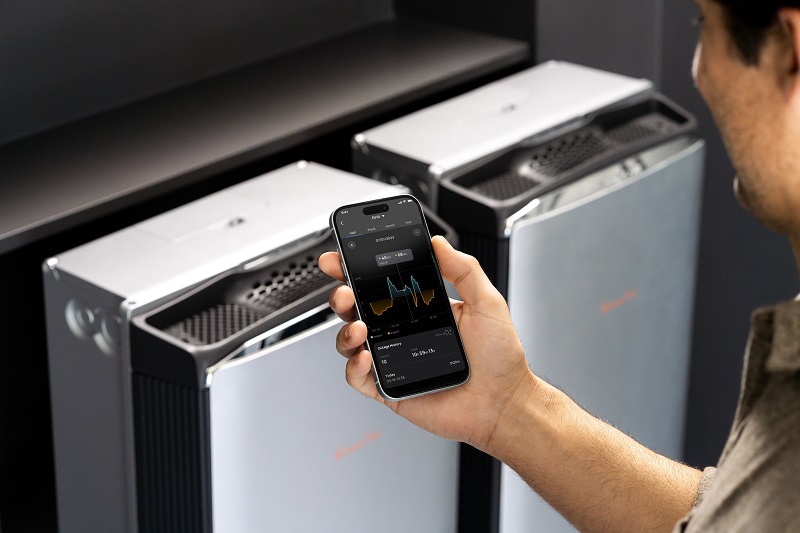
Control at your fingertips: EcoFlow Power Insight 2 monitor
To maximize the benefits of Ocean Pro, homeowners need a centralized way to monitor and manage their energy. The EcoFlow Power Insight 2 monitor serves as the ultimate mission control for your home’s ecosystem, providing unparalleled visibility into your energy consumption.
Key features:
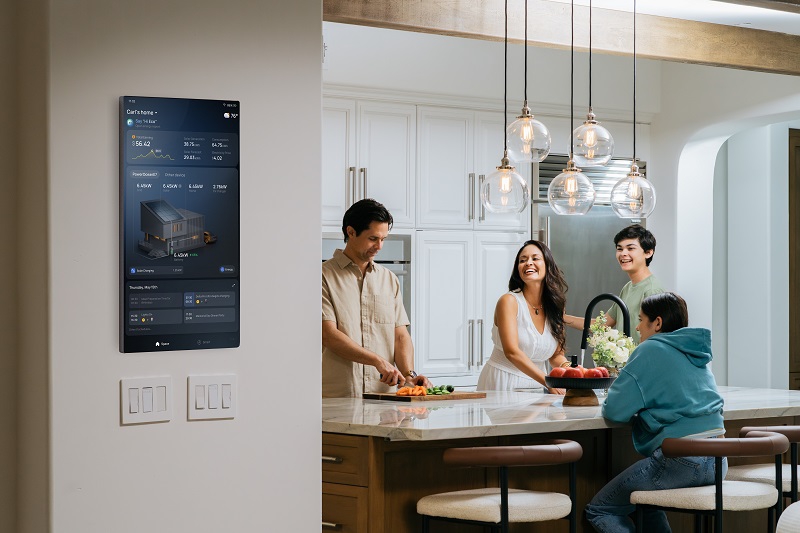
High-definition central hub: Featuring a stunning 10.95-inch IPS touch screen with 1920 × 1200 resolution, this dashboard provides a crystal-clear window into your home’s power. It acts as the central visual hub for solar generation and battery status.
Superior performance and endurance: Equipped with 6GB RAM and 64GB ROM, the Power Insight 2 offers a smooth, responsive interface. Its massive 9300mAh battery allows for 24+ hours of operation even with the screen off.
Real-time rate tracking: The dashboard allows you to visualize SCE TOU windows directly on your wall. By seeing exactly when you are in a peak window, you can make informed decisions about your energy habits in real time.
Advanced smart home integration: With full Matter 1.4 compatibility, the Power Insight 2 connects with thermostats and smart plugs from brands like Google Nest. This allows you to orchestrate your entire home's energy based on current utility rates.
Proactive actions for keeping SCE energy costs low
While advanced technology provides a robust long-term solution, implementing simple behavioral changes and taking advantage of utility programs can further reduce your monthly overhead. Strategic energy habits can significantly impact your bottom line.
Optimize seasonal thermostat settings: Adjust your thermostat to 78°F (25.5°C) during summer and 68°F (20°C) during winter. Every degree changed can save up to 3% on heating and cooling costs, which typically account for half of your bill.
Leverage the California Climate Credit: This semi-annual credit is automatically applied to residential bills every April and October. Use these months to audit your energy patterns and ensure your appliances are running as efficiently as possible.
Eliminate persistent energy vampires: Unplugging unused electronics like cable boxes or chargers can reduce consumption by 10%. Using smart power strips makes it easier to cut off power on multiple devices when they are not in use.
Enroll in demand response programs: Participate in SCE programs that offer rewards for reducing energy during peak hours. Shifting laundry or dishwashing to mid-day or late night helps lower demand while earning you valuable bill credits.
Signing off
While January 1, 2026, Southern California Edison Rates Advisory highlights a slight 2.3% net decrease, bringing the average residential rate to approximately 34.5 cents per kWh, SoCal residents still face some of the highest electricity costs in the nation.
The newly implemented Base Services Charge marks a fundamental shift, moving grid maintenance costs into a fixed monthly fee that cannot be offset by solar alone. This restructuring makes peak shaving more important than ever to reduce the remaining variable portion of your bill.
Ultimately, the combination of EcoFlow’s robust hardware and analysis-driven intelligent software is no longer a luxury; it is a financial necessity. By automating arbitrage savings and providing industrial-grade reliability, the EcoFlow Ocean Pro and Power Insight 2 offer the correct path to long-term energy security and price stability in California's volatile utility landscape.
Be sure to request a consultation with our experts today, so that you can continue to save on your upcoming energy bills!
What kind of product or solution are you interested in?

FAQs
1. How do Southern California Edison tier rates affect my monthly bill?
Tiered plans charge progressively higher rates as your consumption exceeds a monthly "baseline" allocation. Staying within the lower-priced Tier 1 is essential for bill management. The EcoFlow Ocean Pro helps maintain this baseline by providing supplemental battery power, while the Power Insight 2 in-conjunction with the EcoFlow mobile app monitor usage to prevent tier-jump surcharges.
2. How much does Southern California Edison charge per kilowatt hour?
As of 2026, average rates are approximately 34.5¢/kWh, but specific costs fluctuate based on your plan and the time of day. Under Time-of-Use schedules, prices can drop to roughly 23¢/kWh during off-peak windows or spike significantly during high-demand periods. These variable rates include both generation and delivery components.
3. Why are Southern California Edison electricity rates higher than the national average?
California utility costs are driven by state-mandated investments in wildfire mitigation, grid hardening, and the rapid transition to a renewable energy infrastructure. The EcoFlow Ocean Pro insulates you from these rising operational fees, while the Power Insight 2 monitor and the EcoFlow mobile app optimize your solar self-consumption to minimize grid reliance.
4. What are southern California Edison's peak hours?
Peak hours vary by plan but typically occur from 4 PM to 9 PM or 5 PM to 8 PM on weekdays. During these windows, electricity demand is highest and renewable solar generation decreases, leading to the most expensive rates of the day. Some plans also feature "Super Off-Peak" hours during mid-day or late night.
5. How can I manage Southern California Edison TOU rates more effectively?
Successful TOU management involves load shifting, which is moving consumption to hours when the grid is less stressed. The EcoFlow app automates this via its "Intelligent Mode," which discharges the Ocean Pro battery during peak hours to power your home, all of which can be monitored via the Power Insight 2 central dashboard.
