
Solar Battery Installation: Flush-Mount vs. Surface-Mount Installation
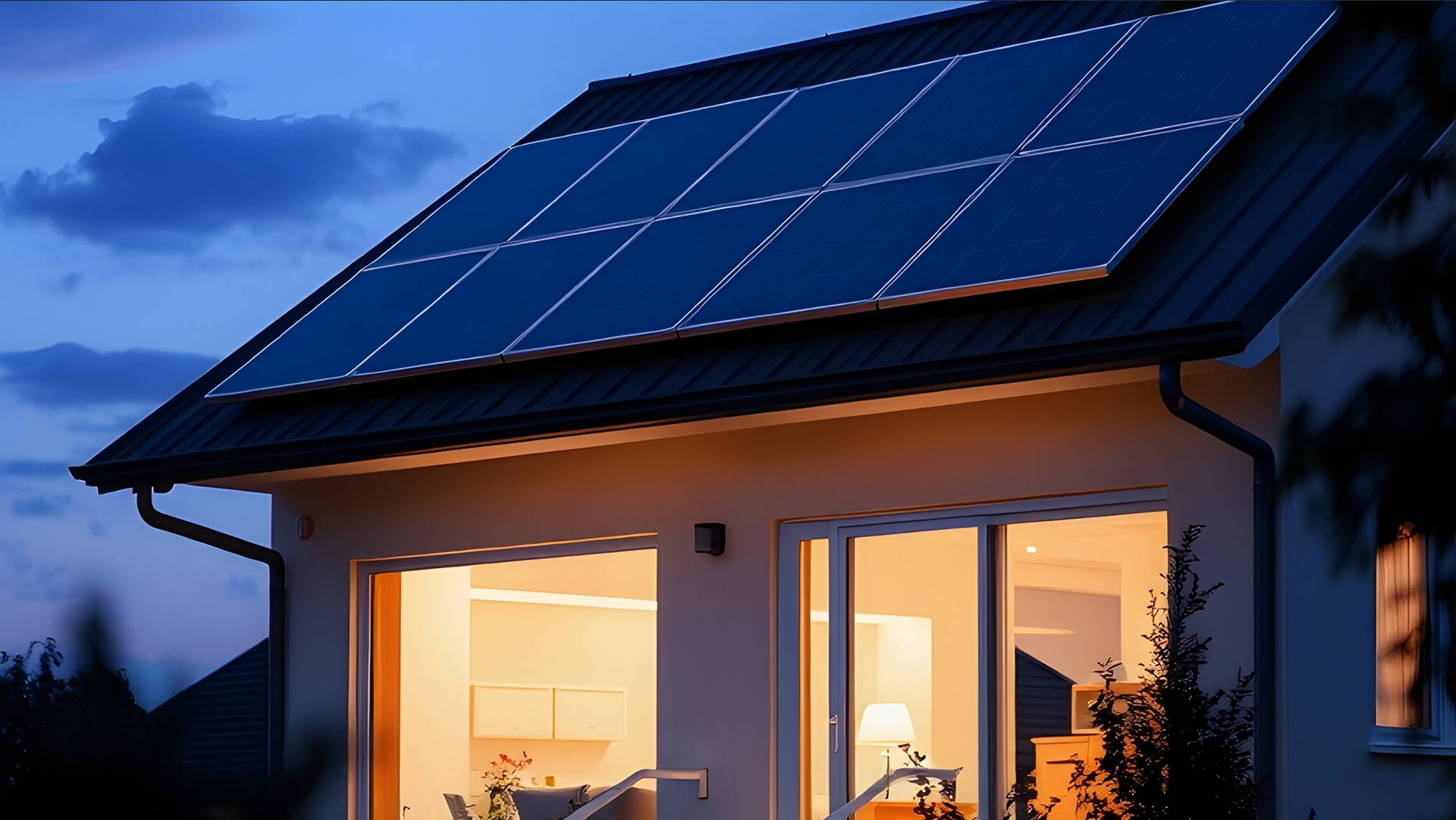
Deciding where and how to put your energy storage system is a big part of the setup process. The mounting style you choose affects how the system looks, how well it stays cool, and how easy it is to fix if something goes wrong later.
Quick Summary: Which Installation Style Should You Pick?
Surface-mount installation is the default choice for most residential solar batteries because it offers better ventilation, easier access, and simpler code compliance.
Flush-mount (recessed) installation can look cleaner and save space, but it adds complexity for ventilation, fire safety, and future maintenance.
Always prioritize manufacturer guidelines and local electrical/fire codes over aesthetics when choosing between flush and surface mounting.
Defining Flush-Mount and Surface-Mount for Home Energy Storage
It's helpful to know what these terms mean before you choose a style. These two ways change how the battery links to your home's power grid and how much space it takes up.
What Is Flush-Mount Installation?
A flush-mount setup involves placing the battery or its housing inside a recessed cavity in the wall. When finished, the front of the unit sits nearly flat with the drywall or siding. This is most common in high-end new home construction where the walls are designed from the start to hold heavy electrical gear. It creates a built-in look that blends with the architecture, often used in custom utility rooms or narrow hallways where every inch of floor space matters.
What Is Surface-Mount Installation?
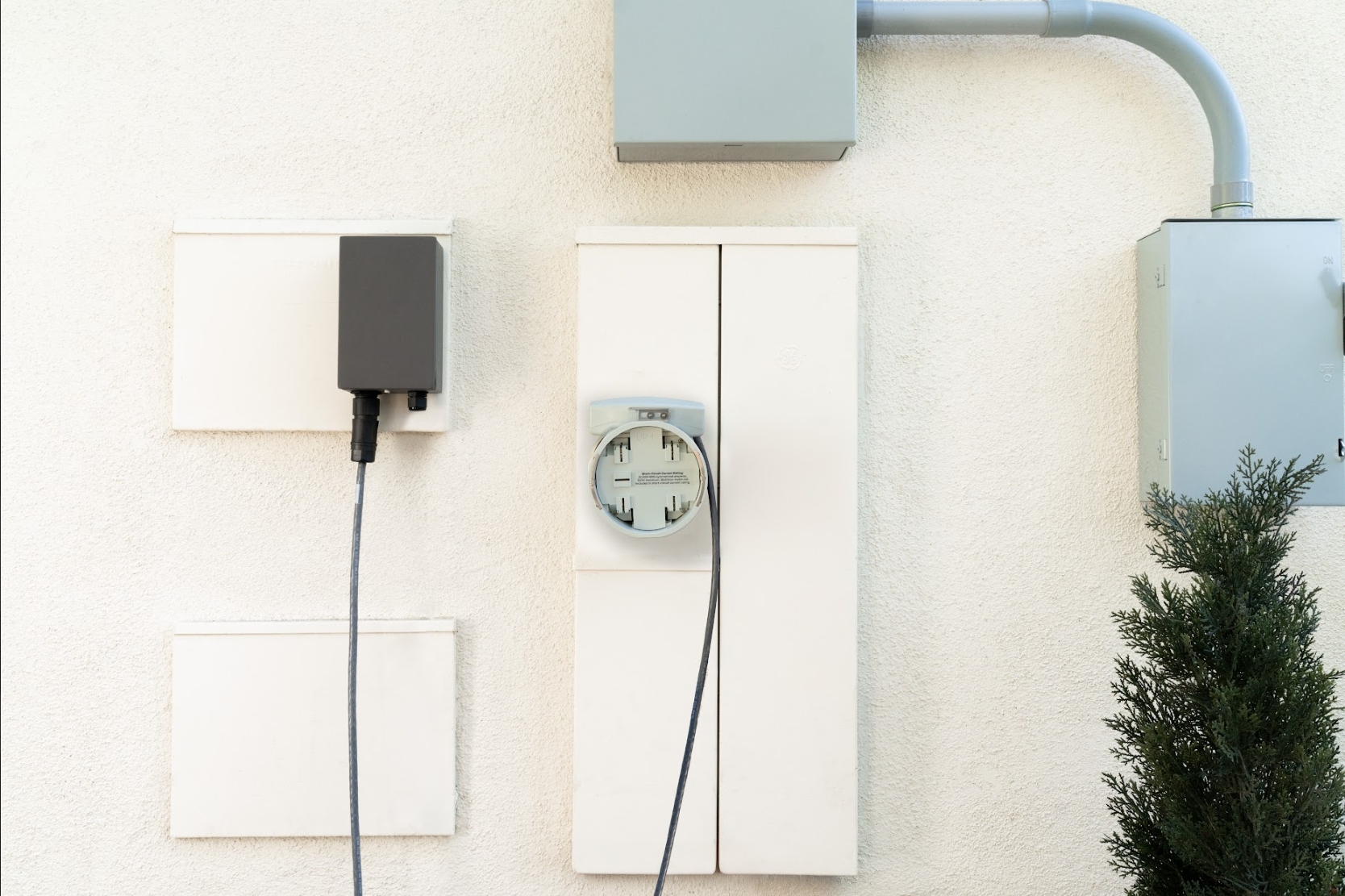
Surface-mounting is the method used for the vast majority of solar panel battery installation projects. The battery hangs directly on the face of the wall or sits on a small floor rack. The entire unit is visible and sticks out several inches from the wall surface. This is the preferred method for garages, basements, and outside walls because it doesn't require cutting into the home's structural framing.
Important Safety Rules and Electrical Codes
Every solar battery installation must follow strict safety guidelines to prevent fires and ensure the system lasts a long time. These rules often make the choice between flush and surface mounting for you.
Manufacturer Requirements
Battery makers have specific rules about "clearance." This is the empty space required around the top, bottom, and sides of the unit. These gaps allow heat to escape. If you try to squeeze a battery into a tight flush-mount spot that the manufacturer didn't approve, you might void your warranty or cause the battery to overheat.
Electrical and Fire Code Basics
Building inspectors look for "working space." This means there must be enough room in front of the battery for a technician to stand and work safely. Also, many local codes require batteries to be mounted on non-combustible surfaces, like masonry or fire-rated drywall. In some areas, there are strict limits on how close a battery can be to doors, windows, or areas where people sleep.
Ventilation and Heat Management
Batteries generate heat when they charge and discharge. If that heat stays trapped, the battery's internal computer will slow down the power flow to protect itself. This is called "derating." Surface-mounting allows air to flow freely around the casing, keeping the cells at a healthy temperature. Flush-mounting requires a very clever ventilation design to prevent heat from building up inside the wall cavity.
What kind of product or solution are you interested in?

Pros and Cons of Flush-Mount Battery Systems
While a hidden battery looks great, it comes with a unique set of hurdles. You need to weigh the visual benefits against the technical difficulty of burying high-voltage equipment inside a wall.
The Benefits of a Hidden Look
The biggest plus is the clean finish. If you are putting your energy system in a finished basement or a narrow breezeway, a flush-mount keeps the equipment from being a trip hazard or an eyesore. It protects the unit from being bumped by car doors in a tight garage and creates a streamlined, modern feel for the home.
The Risks of Recessing Equipment
The downsides are mostly about heat and access. It is much harder to keep a recessed battery cool. Furthermore, if the battery needs a hardware update or a part replacement, the technician might have to tear out part of your wall to get to the wiring. There are also structural risks; cutting a large hole in a load-bearing wall to fit a battery requires professional engineering to make sure the house stays stable.
When Is Flush-Mounting the Right Move?
This style works best during new construction. When the house is being framed, builders can create a fire-rated, vented "niche" specifically for the battery.
It is also a good choice for very small, low-power batteries that are specifically labeled by the manufacturer for recessed mounting.
Benefits and Challenges of Surface-Mount Solar Battery Installation
Surface-mounting is the standard approach for most homes. It keeps the equipment visible and accessible, which simplifies the technical side of your solar battery installation.
Advantages
This is the simplest way to install energy storage. Because the unit sits on the wall, it usually matches the manufacturer's exact setup examples. It is easier to follow rules for airflow and clearance, ensuring the system stays cool. This method also requires less work on the house structure since you don't have to cut into walls. If you want to add more capacity later, a surface-mount setup makes scaling up straightforward.
Possible Drawbacks
The main trade-off is that the equipment is fully visible and takes up space. In tight rooms, the battery might project several inches from the wall, which can limit movement. You also have to plan your cable runs carefully. Since wires and conduit stay on the outside of the wall, they need neat routing to look clean and organized.
Typical Surface-Mount Configurations
Common setups include hanging the battery on a garage or utility room wall. Some larger systems use floor-standing racks or cabinets in a basement. For homes with limited indoor space, weather-rated enclosures allow for installation on an exterior wall, provided the area stays shaded and dry.
Thinking About Space, Style, and Future System Expansion
Your home layout dictates which mounting style works best. Balancing the current look of a room with your future energy needs helps prevent expensive changes later.
Plan Your Space Carefully
Evaluate the height and width of your wall. You must leave room for the battery plus other gear like inverters and EV chargers. In a garage, keep units away from car door "swing zones" and walkways. If you think you might need more power later, leave empty wall space next to the first unit for extra modules.
Integrate Equipment into Your Design
You can improve the look of a surface-mount system without hiding it in a wall. Use matching paint or decorative covers that hide cables while keeping the unit cool. Clean cable management keeps the area tidy. Usually, the high cost and safety risks of a flush-mount outweigh the small visual benefit it provides.
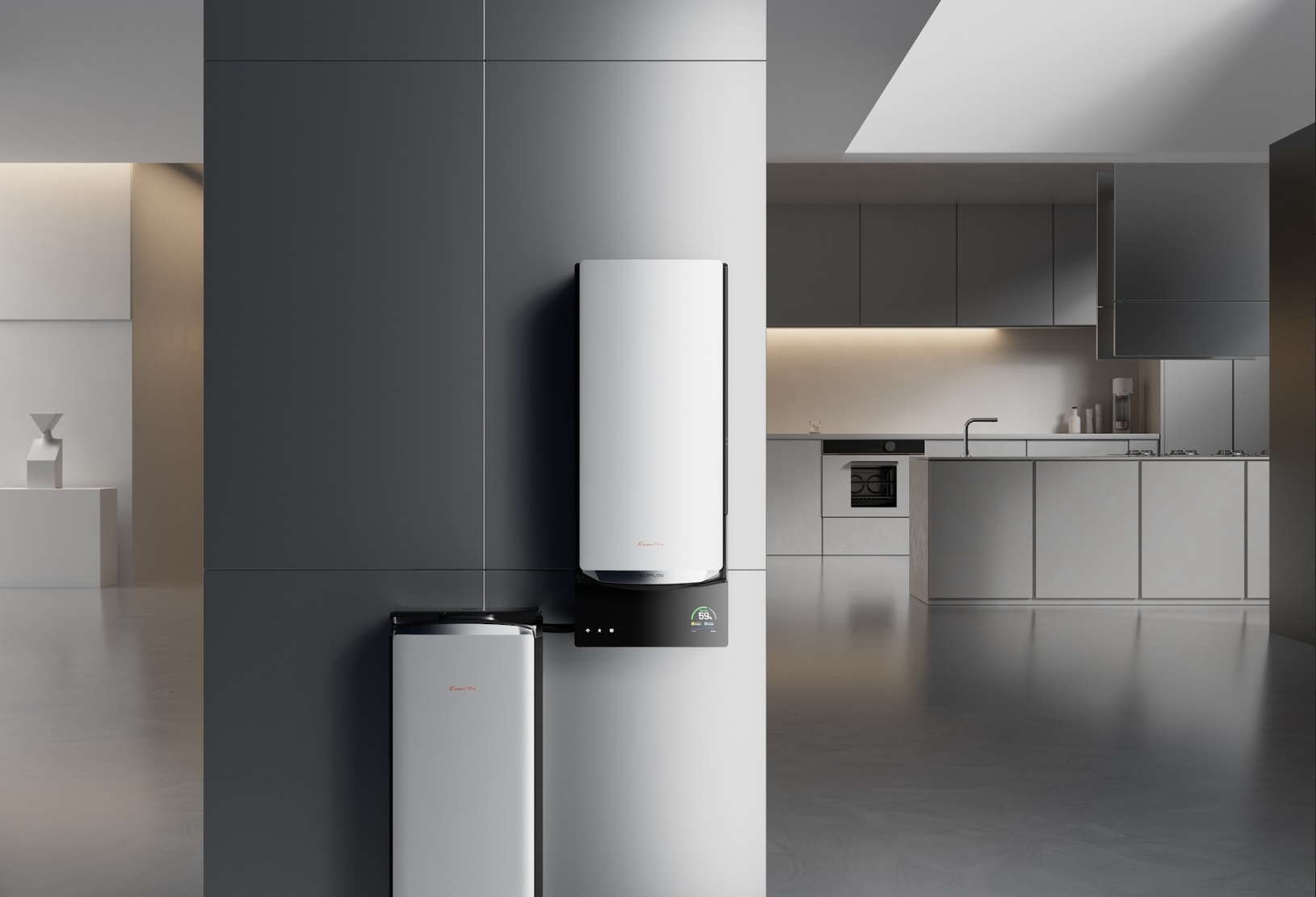
Prepare for Future Technology
Hardware changes quickly. An accessible surface-mount system is easier to upgrade or remove if you change brands. Since you are not restricted by a hole in the wall, you can swap old parts for new sizes easily. This flexibility makes your investment last longer as technology improves.
For homeowners planning future expansion and whole‑home backup, a modular system like the EcoFlow OCEAN Pro Solar Battery System offers wall‑mounted flexibility, scalable capacity, and code‑friendly installation options that fit typical garage or utility room layouts.
Reviewing Installation Costs and Practical Steps
The total price of your system depends on the labor and materials used for the wall. Choosing a simpler setup can save significant money on the final bill.
Compare Labor and Materials
Surface-mount setups use simple brackets and anchors to secure the unit to studs. This is fast and keeps costs low. Flush-mount projects require extra framing, wall cutting, and fireproofing. You may need to pay for a carpenter and a drywall professional in addition to the electrician.
Simplify Permitting and Inspections
Inspectors often scrutinize recessed systems more closely to check for heat buildup and fire safety. This can cause delays. Sticking to the manufacturer's standard surface-mount examples usually leads to a faster and easier approval process from the city.
Lower Long-Term Ownership Costs
Think about future repairs. A surface-mounted battery is easy to reach, which reduces service time and costs. Hiding a unit inside a wall makes maintenance harder and could make future hardware swaps much more expensive.
Your Decision Checklist
Still not sure which way to go? Ask yourself these five questions to narrow down the best choice for your specific home and energy needs:
Does the manual allow it? If the battery manual doesn't show a picture of a flush-mount setup, don't do it.
Is there enough air? Can you feel a breeze or have clear space for heat to rise off the unit?
Are you building a new house? If yes, flush-mount is easier to plan. If it's a retrofit, surface-mount is usually better.
Do you want more batteries later? Surface-mounting makes adding capacity much simpler.
What is the cost of solar battery installation? Remember that flush-mounting adds construction costs on top of the electrical work. On average, homeowners ask how much does it cost to install solar battery systems and find that labor runs between $2,000 and $5,000, but custom wall work can push that higher.
Prioritizing Safety and Function
The goal of adding a battery to your home is to have reliable, clean power. While a flush-mount system offers a very clean look, the practical benefits of surface-mounting, like better cooling, easier repairs, and lower costs, make it the best choice for most people.
Before you make a final decision, talk to a licensed professional who has experience with your specific battery brand. They can look at your walls and tell you exactly what the local inspectors will allow.
Need a reliable backup plan for your home? Get a Quote for the EcoFlow OCEAN Pro Solar Battery System to see how a professional, code-compliant installation can power your space today.
FAQs About Battery Mounting
Q1: Can I install a residential solar battery inside a wall?
Most residential systems are not designed to be fully recessed. Unless the manufacturer explicitly approves it and you have a plan that meets local fire codes, it is usually not allowed.
Q2: Which mounting method is safer?
Surface-mounting is generally safer. It provides better airflow and makes it much easier for inspectors and technicians to verify that everything is following the safety rules.
Q3: Does flush-mount installation affect battery performance?
It can if the air is restricted. Higher operating temperatures caused by poor ventilation can lead to a shorter lifespan and lower power output.
Q4: Where is the best place to mount a solar battery at home?
The best spot is a dry, cool, and well-ventilated area like a garage or a utility room. Whether you surface-mount or flush-mount, keeping the battery away from heat is the priority.
Q5: How much does it cost to get a solar battery installed?
Installing a home solar battery usually costs around $10,000–$25,000 including the battery and professional installation. The battery itself is often $7,000–$15,000, and labor, permits, and electrical upgrades add about $1,000–$8,000, depending on system size and how complex your home’s wiring is.
Q6: Where does a solar battery need to be installed?
It should be in a location that meets local codes, typically a garage, basement, or an exterior wall that is protected from direct sunlight and extreme temperatures.
