
Moving Soon? The Only New Home Checklist You’ll Ever Need
Moving to a new house is often a chaotic whirlwind of lost boxes and forgotten utilities. Following a comprehensive new home checklist is the only way to escape the stress of a disorganized transition and ensure your first night is comfortable. Beyond just packing, modern homeowners must also tackle the anxiety of power reliability in a new area. The EcoFlow Ocean Pro serves as the perfect long-term solution, offering industrial-grade reliability and a sleek aesthetic that ensures your household stays powered and protected from day one.
Why does building a new home checklist matter?
The transition to a new space is a complex emotional and practical reality. It marks a fresh start, yet the logistical weight can be overwhelming. This is why moving into a new home checklist is indispensable.
It helps you avoid the dreaded first-night scramble, ensuring essentials are accessible when you’re exhausted. Moreover, it safeguards long-term home health by documenting critical maintenance from day one. Ultimately, a checklist transforms a chaotic move into a structured journey, protecting your peace of mind and your property’s value for years to come.
Phase I: Before moving in
The period leading up to move-in day is the most critical time for establishing a functional and safe environment. Handling these logistics early prevents the common move-in fatigue and ensures your transition is seamless.
Carrying out utility transfer
Setting up your essential services is the cornerstone of any new home checklist. At least two weeks prior to moving, coordinate with providers for electricity, water, gas, and waste management. Ensuring these are active upon arrival prevents the stress of moving into a dark or cold house.
Securing the perimeter
Security is a primary concern for any new homeowner. Since contractors, realtors, and previous owners may have had access to the property, changing locks or re-keying all entry points is a mandatory safety step. This simple action ensures that you and your family are the only ones with access to your new sanctuary.
Performing deep clean
Performing a deep clean is significantly easier while the house is still empty. Scrubbing floors, steaming carpets, and sanitizing cabinets before the furniture arrives allows you to reach every nook and cranny. This ensures a fresh, sterile start for your household without the obstacle of heavy boxes.
Planning the layout
Proper planning involves measuring every room and doorway to ensure your existing furniture fits. By mapping out a layout plan beforehand, you can direct movers with confidence and avoid the frustration of discovering that a large sectional or dining table won't clear the entrance or fit the intended wall.
Phase II: Moving day
Moving day is the culmination of weeks of planning, but it is also where logistics often meet reality. Staying organized during the heavy lifting ensures that the first few hours in your new home are celebratory rather than chaotic.
The essentials box (the first 24 hours)
One of the most vital components of a moving into new home checklist is the "first 24 hours" box. Pack this separately and keep it with you in your personal vehicle. It should contain bedding, basic toiletries, phone chargers, snacks, and essential tools like a utility knife or screwdriver. Having these at your fingertips prevents the frustration of digging through dozens of sealed boxes just to find a toothbrush or a pillow when you are exhausted.
Overseeing the movers
On the day of, your role shifts to project manager. Direct movers to the correct rooms based on your pre-move layout plan and keep a close eye on high-value items. Conduct a quick inspection for transit damage as items are unloaded; it’s much easier to address a scratch or dent while the crew is still on-site.
Safety first
Before you settle in for the night, perform a final safety walk-through. Locate the main water shut-off valve and the primary circuit breaker. Knowing exactly where these are in an emergency is a fundamental part of a checklist for moving into a new home. Additionally, test your smoke detectors to ensure they weren't jostled during the final stages of construction or cleaning.
As you finalize these safety checks, remember that modern home security and comfort extend beyond plumbing and locks, it includes power resilience. This is where the EcoFlow Ocean Pro bridges the gap between a standard house and a modern, high-functioning home. By integrating this system on your first day, you ensure that even if the local grid fluctuates or fails during your transition, your essential devices, lighting, and security systems remain operational.
Phase III: Integrating the EcoFlow Ocean Pro for home backup needs

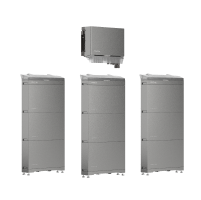
EcoFlow Ocean Pro
Style features:
The Ocean Pro is designed with a modern-looking philosophy, allowing it to move from the shadows of the basement into high-end interiors.
With its minimalist lines and premium build, the unit functions as a statement piece rather than an eyesore. It is designed to complement contemporary architecture and sophisticated interior design.
To ensure a perfect match with your new cabinetry or decor, the Ocean Pro offers three distinct finishes: aluminum for an industrial-modern edge, luxurious walnut for warmth, classic interiors, and carbon fiber for a high-tech, performance-driven aesthetic.
Technical specifications & usage:
It delivers a staggering 24kW of continuous AC output. More importantly for new homeowners, it features a 205A LRA (Locked Rotor Amps) load start capability, ensuring it can kickstart high-demand appliances like dual 5-ton HVAC units without breaking a sweat.
The system is modular, starting at 10kWh and scaling up to 80kWh total capacity. This flexibility ensures you are covered for everything from a short brownout to extended blackouts.
Through Wi-Fi and Cellular connectivity, the EcoFlow app provides intelligent energy monitoring. You can manage 12 circuits via the Ocean Smart Electrical Panel 40, viewing real-time consumption and solar input (up to 40kW) right from your smartphone.
Phase IV: room-by-room new home essentials checklist
Once the boxes are inside, focus shifts to turning empty rooms into functional living spaces. Prioritize these essentials to ensure comfort in your new home.
The kitchen
Appliances: Equip your kitchen with small essentials like a coffee maker, toaster, and microwave. These allow for quick meal preparation while you focus on unpacking larger boxes.
Organization: Install drawer dividers, shelf liners, and sturdy trash bins immediately. Proper organization prevents early clutter and makes finding kitchen tools easier during the first chaotic week.
The bathroom
Safety: Place non-slip mats in showers and tubs as a priority. These are vital for preventing accidents on slick new surfaces in an unfamiliar bathroom environment.
Essentials: Stock high-quality towels, shower curtains, and a reliable plunger. These items turn a sterile new bathroom into a functional, private, and comfortable space for the entire family.
The bedrooms
Privacy: Hang curtains or blinds as soon as possible. Effective window treatments ensure privacy from neighbors and block out light for a restful night’s sleep.
Comfort: Invest in new pillows and mattress protectors. These provide a clean, cozy layer of comfort, helping you recover from the significant physical demands of moving day.
The living room
Tech: Optimize Wi-Fi router placement for whole-home coverage and implement cable management. Organizing wires early prevents clutter and ensures a stable connection for all your smart devices.
Comfort: Add area rugs and throw pillows to soften the space. These elements provide warmth and noise dampening, making your main living area feel instantly more cozy and inviting.
Phase V: new home checklist for safety & maintenance
Beyond the initial move-in, establishing long-term systems is vital for the safety and smooth operation of your household. This phase ensures your investment is well-managed and your family remains secure.
Emergency preparedness
Safety should be your top priority. Test all smoke and carbon monoxide detectors to ensure they are functioning correctly after the move. Familiarize everyone in the household with the location of fire extinguishers and develop an emergency exit plan. Consistent testing and awareness are the first lines of defense in any new home checklist.
Document management
Homeownership involves a significant amount of paperwork. Create a dedicated home binder, both digitally and physically, to store warranties, appliance manuals, and contractor contacts. This organizational system simplifies future maintenance and provides essential information at your fingertips when repairs or upgrades are needed.
Community integration
Finally, ensure you are officially part of your new community. Update your address for voter registration and with the DMV to avoid any legal or administrative issues. Taking these steps early integrates you into local systems and ensures you receive important government correspondence and are eligible for local elections.

Tips on what not to do when moving to a new home
While knowing what to do is important, understanding common pitfalls can save you significant time, money, and frustration. Avoid these frequent mistakes to keep your movement on track.
Don’t procrastinate the packing: The common mistake is leaving difficult areas for the last minute. Avoid leaving the junk drawer, basement, or garage for the final day. These spaces often contain more items than they appear and require careful sorting, which is impossible to do during the final moving rush.
Don’t move items you don't need: Moving is the ultimate opportunity to declutter.
Don't waste money and physical energy transporting things you'll eventually throw away or donate. Sorting your belongings beforehand ensures that you only bring items that serve a purpose or bring joy into your new space.
Don’t forget to measure: Never assume your oversized sectional or king-size headboard will fit through the doors or around tight corners of your new house. Measure your furniture and your new entryways in advance to avoid the heartbreak of leaving your favorite piece on the sidewalk.
Don’t ignore the utilities: Confirmation is key. Ensure your power and water are scheduled for activation at least a day before you arrive. Moving in the dark or without running water is a major setback that can bring your unpacking progress to a grinding halt and create an uncomfortable environment from the start.
Signing off
Homeownership is a marathon, not a sprint; settling into your new space takes time and patience. By following this comprehensive new home checklist, you transform a house into a functional, beautiful sanctuary while avoiding common moving pitfalls.
From managing construction to integrating aesthetic energy solutions like the EcoFlow Ocean Pro, preparation is the key to long-term comfort. So, if you are ready to secure your home’s future with reliable, stylish backup power, then start exploring the EcoFlow Ocean Pro today. Request a consultation and ensure your new beginning is never interrupted!
What kind of product or solution are you interested in?

FAQ
1. What are the first steps to take when building a new home checklist?
Secure your financing and land first, then prioritize core infrastructure. Incorporating the EcoFlow Ocean Pro early ensures your home is energy-resilient from day one, offering a sleek, quiet solution that integrates perfectly into your modern utility hub and high-end interior design.
2. What is the 20-30-40 rule for buying a house?
This financial guideline suggests a 20% down payment, spending under 30% of gross income on monthly payments, and keeping total debt below 40%. Safeguard this massive investment by adding the EcoFlow Ocean Pro, ensuring long-term reliability and protecting your modern home infrastructure.
3. What should I look for during a final walk-through in a new home construction checklist?
Test all outlets, faucets, and HVAC systems for functionality and cosmetic flaws. Using the EcoFlow Ocean Pro’s smart ecosystem during the walk-through helps verify circuit stability and provides immediate data on energy performance, ensuring your new home is ready for a high-tech lifestyle.
4. What brings good luck to a new home?
Traditional symbols like bread, salt, or ringing bells invite abundance and harmony. For modern homeowners, the EcoFlow Ocean Pro provides the ultimate source of uninterrupted energy, ensuring your sanctuary remains powered, safe, and beautiful through any storm or grid failure from day one.
5. How soon should I start a checklist for moving into a new home?
Start eight weeks out to manage logistics, decluttering, and utility transfers without stress. Scheduling your EcoFlow Ocean Pro installation early in this timeline ensures your backup power is fully operational by move-in day, providing a seamless transition into your new energy-independent lifestyle.
