
Lock Rotor Amps: What Are They and Why They Matter for a home battery system

Every motor in your home pulls a massive burst of electricity the moment it starts up. Your air conditioner, refrigerator, and well pump all do it. If your backup battery cannot handle that surge, it shuts down right when you need it most. That burst of startup current is called locked rotor amps, and it is one of the most important specs to check before buying a home battery system.
What Is the Technical Definition of Lock Rotor Amps?
Basic electrical physics helps us understand why some batteries work well under pressure and others don't. Most homeowners care more about how long a battery lasts than how well it can manage a sudden surge of electricity.
The Basic Concept Behind This Electrical Term
The term lock rotor amps, or LRA, refers to the massive amount of current an electric motor draws when it first tries to start from a dead stop. At that exact millisecond, the rotor, which is the spinning part inside the motor, is still locked in place by its own weight and the pressure of the system. It takes a huge amount of force to overcome that initial resistance. You can compare this to pushing a stalled car. It requires a tremendous heave to get the tires rolling, but once the vehicle is in motion, keeping it moving is much easier.
How This Differs From Normal Running Current
Every motor also has a rating for RLA, which stands for Rated Load Amps. This represents the amount of current the motor pulls while it is running normally at a steady pace. Usually, the LRA is five to seven times higher than the RLA. If your air conditioner needs a small amount of power to keep your living room cool, it might need a giant surge for just a fraction of a second to get the compressor started. A battery system must be able to provide that brief spike without its internal safety switches tripping.
What kind of product or solution are you interested in?
Why Do Lock Rotor Amps Matter for Homeowners?
Living in a modern home means relying on several large motors that stay hidden behind walls or in the backyard. These machines are the primary reason why backup power systems must be more than just large storage tanks for electricity.
The Startup Challenges for Central Air Conditioners
Heating, Ventilation, and Air Conditioning (HVAC) units are the most common culprits for power surges in American households. A standard air conditioner requires a massive amount of energy to compress refrigerant and begin the cooling cycle. If you live in a region where temperatures reach extreme levels, your air conditioner compressor might cycle on and off dozens of times a day. Each time it starts, it demands a peak of energy that can overwhelm a standard consumer grade battery that was only designed for lights and laptops.
Hidden Energy Demands of Essential Appliances
Beyond the cooling system, other devices use induction motors that require a high surge of power. Well pumps, large refrigerators, and even some high power workshop tools pull significant current the moment they are switched on. If your battery system cannot meet these demands, the inverter might shut down to protect itself. The inverter is the part of the battery system that changes the stored direct current into the alternating current that your home appliances need. Frequent shutdowns can be frustrating and may even cause long term wear on your appliances because of inconsistent voltage.
Which Common Household Appliances Have High Power Demands?
The following table provides a general look at how much power different machines need when they first turn on. Seeing these numbers side by side helps illustrate why focusing on the surge rating is just as important as the total capacity.
Appliance Type | Typical Running Current (RLA) | Typical Startup Surge (LRA) | Power Impact Level |
|---|---|---|---|
Central AC | Moderate | Very High | Critical |
Well Pump | Low | High | High |
Refrigerator | Very Low | Moderate | Low |
Electric Oven | Constant | None | Negligible |
The data confirms that motors involve a massive difference between their resting and starting states, whereas resistive loads like ovens pull a steady amount.
Homeowners who want true energy independence should prioritize a system that can handle the critical tier without failing. This ensures that the most important systems in the house continue to function regardless of the outdoor conditions.
How Does Surge Current Affect Backup Performance?
Selecting the right energy solution requires a look at how the system handles the transition from a quiet state to a high demand state. Professional systems are built with high quality components specifically meant to bridge this gap.
The Critical Role of the Battery Inverter
When the grid is active, it acts like an infinite pool of power that can handle any LRA spike. However, in an outage, your battery becomes the sole energy source. Most standard home batteries have limited surge capacities that only last a few seconds. If the surge required by your heat pump exceeds these limits, the inverter may shut down to protect itself, causing the entire backup plan to fail.
Potential Risks of Insufficient System Headroom
Headroom refers to the extra capacity a system has beyond its normal operating level. Without enough headroom, your home energy system lives on the edge of failure every time a motor kicks on. Overlapping surges are a particular danger; for instance, if a refrigerator and well pump start simultaneously, the combined LRA could be staggering. A robust battery must have a high enough surge rating to absorb these simultaneous hits without triggering a safety blackout.
How Do Modern Systems Manage High Startup Currents?
Recent breakthroughs in home energy storage have led to the development of systems that can mimic the strength of the utility grid. These advanced units allow families to maintain their lifestyle even when the neighborhood is dark.
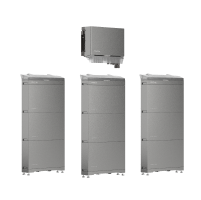
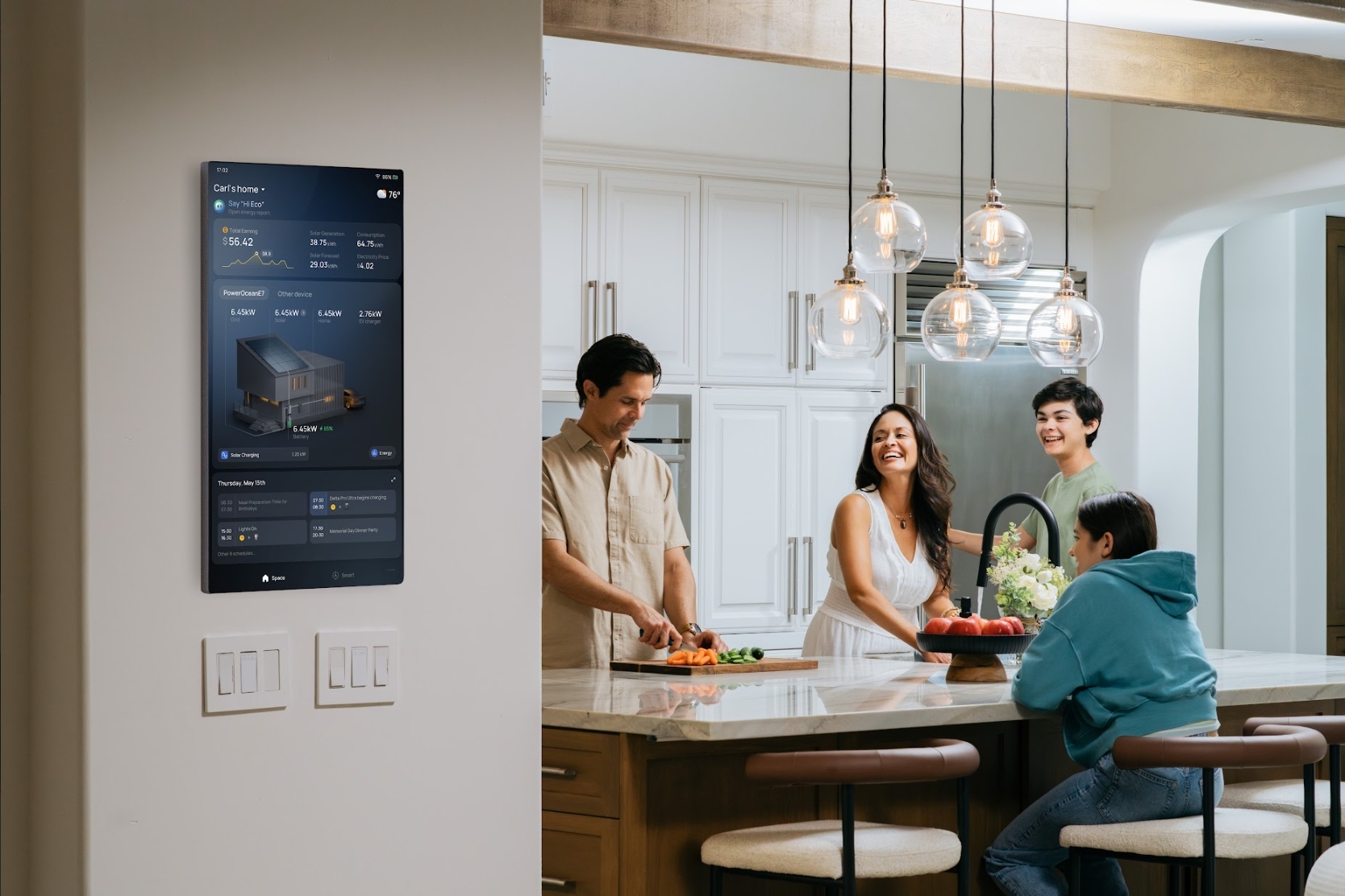
Modern high-performance storage solutions, such as the EcoFlow OCEAN Pro, are engineered specifically to overcome these electrical hurdles. By offering a staggering 205A LRA capability and a 24kW continuous output, this system provides the muscle required to start the most demanding HVAC compressors without hesitation. This professional-grade surge support ensures that you never have to sacrifice comfort for reliability, allowing for a seamless transition to backup power that can handle multiple heavy loads simultaneously. With a flexible capacity ranging from 10kWh to 80kWh, homeowners can scale their energy independence while knowing their core hardware possesses the raw power to keep life running as usual.
What Technical Standards Ensure a Reliable Energy Hub?
A reliable home energy hub must do more than just provide power. It must meet professional standards for safety and efficiency to ensure long term peace of mind for the family.
Rapid Power Switching: Systems with instant switching ensure that the jump from grid power to battery power is so fast that even sensitive computers do not reboot.
Maximum Solar Harvest: Utilizing 8 MPPTs, or Maximum Power Point Trackers, allows the system to collect the most sunlight possible even if your roof has a complex shape or partial shade.
Extreme Weather Durability: Professional units use 360 degree aerogel insulation to remain efficient in temperatures ranging from freezing cold to desert heat.
Safety Protocols: Built-in protection includes AFCI(Arc Fault Circuit Interrupter), which detects dangerous electrical arcs to prevent fires, and GFCI (Ground Fault Circuit Interrupter), which quickly shuts off power if it detects current flowing through an unintended path to prevent electrical shock.
Secure a Reliable Energy Future for Your Home
High electricity bills and power outages happen a lot these days, but they don't have to ruin your life. If you get a system that puts high surge performance first, your home will stay safe throughout any storm. Professional-grade energy hubs give you the power you need to tackle the heavy lifting of modern appliances without any problems. Get a Quote to find out how a high LRA solution can bring permanent comfort and security to your residence.

FAQs
Q1. What Is the Difference Between Locked Rotor Amps and Full Load Amps?
When a motor is running at its usual speed, it uses full load amps. Locked rotor amps is the peak current it pulls during startup. LRA is usually five to seven times greater than full load amps because the motor needs a lot of power to start spinning from a dead stop.
Q2. Is LRA the Same as Starting Amps?
Basically, yes. Both terms represent the rush of electricity that a motor needs when it initially starts up. LRA is the more technical term that describes the current that flows when the rotor is fully stationary and voltage is first introduced.
Q3. What Causes a Locked Rotor?
Usually, it indicates that the motor is being physically stopped from rotating. Seized bearings, a malfunctioning start capacitor, or low power source voltage are typical culprits. When this happens, the motor keeps pulling its maximum startup current without actually running, which can overheat it quickly.
Q4. What Is Locked Rotor Amps on a Home AC Unit?
It is the maximum current that your air conditioner draws when it first turns on and its internal components are not yet moving. Your outdoor unit's nameplate has this number printed on it. It indicates the highest electrical demand your air conditioner places on your power supply when it first starts up.
Q5. Can a Home Battery Support High Locked Rotor Amps?
Yes, but only if the battery has a high enough surge rating. Many standard home batteries cannot handle the startup surge from a large AC unit. Systems built for whole-home backup, like the EcoFlow OCEAN Pro with its 205A LRA capacity, are specifically designed to start heavy appliances without tripping or shutting down.
