
Costs Revealed: How Much Does It Cost to Replace an Electrical Panel?
Wondering how much does it cost to replace an electrical panel to handle your modern home’s energy demands? Many homeowners face the frustration of tripping breakers, flickering lights, and outdated systems that simply can’t keep up with today's smart appliances and EV chargers. Instead of settling for a basic replacement that will quickly become obsolete, the EcoFlow Ocean Pro paired with the Ocean Smart Electrical Panel 40 offers a future-proof solution. This advanced system doesn't just manage your power, it optimizes it through smart circuit control and seamless backup, ensuring you never have to worry about capacity or outages again.
How much does it cost to replace an electrical panel?
When budgeting for an electrical panel replacement, costs vary significantly based on the quality and capacity of the installation. On a national level, the average price range typically falls between $1,200 and $4,500. For those looking at the low-end of the spectrum, usually a basic 100-amp swap in a smaller home, you can expect to pay between $800 and $1,500.
However, for high-end requirements, such as a 400-amp upgrade to support heavy EV charging or homes requiring extensive rewiring to meet modern safety codes, costs can climb between $5,000 and $10,000 or more. While the initial price of a basic swap is lower, many homeowners find that investing in a high-capacity, smart-ready system provides much greater long-term value and reliability.
How much is it to replace an electrical panel: cost breakdown
Understanding the specific capacity your home requires is the first step in determining your final bill. The amperage of your panel dictates how many appliances you can run simultaneously without a failure.
100-Amp Service ($1,200 – $1,800): Best suited for smaller, older homes or apartments with gas heating and minimal large appliances. While cost-effective, it often lacks the headroom for modern electronics or cooling systems.
200-Amp Service ($2,500 – $4,000): This is the current modern standard. It provides ample power for all-electric kitchens, central air conditioning, and basic home automation systems.
400-Amp Service ($4,000 – $7,000): Reserved for luxury estates, large homes with multiple HVAC units, or households with intensive EV charging needs.
Why is the price gap?
The significant jump in price between these tiers isn't just about the box on the wall.
Higher amperage requires thicker, more expensive copper wiring to handle the increased heat and electrical flow. Furthermore, utility companies often charge higher connection fees for larger services, and the physical labor involved in installing more robust components increases the total project hours.
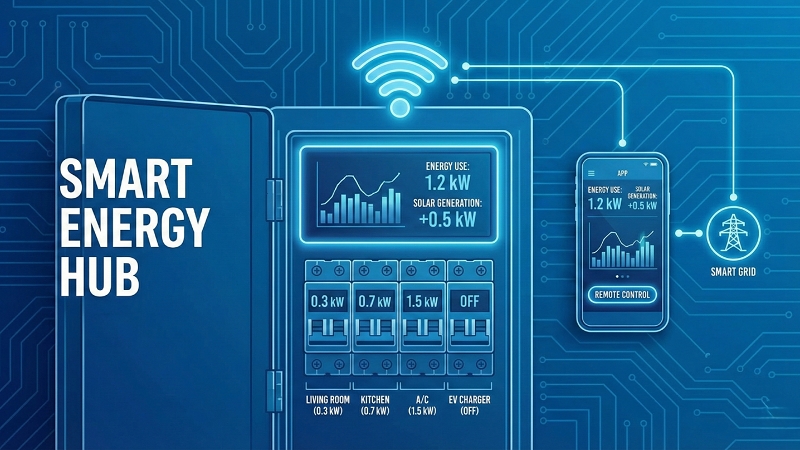
How much to replace electrical panels: factors influencing the cost
Beyond the size of the electrical panel itself, several variables can cause the final quote to fluctuate. Being aware of these "hidden" costs helps prevent sticker shock when the electrician arrives.
Labor rates: Professional electricity fees usually range from $50 to $150 per hour. Depending on the complexity of the project, labor alone can account for a significant portion of the total cost.
Permits and inspections: Navigating local building codes is mandatory for safety and insurance. Expect to pay between $100 and $500 for the necessary permits and the final inspection by a city official.
Panel location: If you need to move your panel, from a cramped closet or a damp basement to a code-compliant exterior wall, this can add $1,500 or more to your bill due to the extensive rerouting of wires.
Wiring condition: Discovering outdated knob-and-tube or aluminum wiring during a panel swap can lead to necessary (and costly) whole-home rewiring to ensure the new system functions safely.
How much to replace electric panel: signs you need a replacement
While the price tag is a major consideration, waiting too long to replace an aging panel can lead to dangerous consequences. Recognizing the warning signs of a failing system is crucial for home safety and efficiency.
The danger zone: If you notice flickering lights, a faint burning smell near the breaker box, or breakers that are warm to the touch, your system is likely overheating. These are immediate fire hazards that require professional intervention.
The compliance factor: Certain obsolete brands have high failure rates and are known fire risks. Many insurance companies now refuse to cover homes with these panels, making replacement a financial necessity for coverage.
The capacity ceiling: If your breakers trip every time you try to run the microwave and the air conditioner simultaneously, your panel has reached its capacity limit. Constant tripping is a clear sign that your lifestyle has outgrown your home's electrical infrastructure.
Corrosion and physical wear: Rust, chalky residue on the bus bars, or evidence of water intrusion from the service entrance cable indicate severe physical degradation. This moisture can lead to catastrophic failure, arcing, and total power loss.
Continuing to patch up an old system only delays the inevitable. Transitioning to a modern, intelligent energy hub is the only way to truly secure your home's future, and that is exactly where the EcoFlow ecosystem comes in.
The solution: EcoFlow Ocean Pro + Ocean Smart Electrical Panel 40
When homeowners ask how much it costs to replace an electrical panel, they are often looking for the cheapest way to stay code-compliant. However, the real solution lies in upgrading to an intelligent energy ecosystem: the EcoFlow Ocean Pro along with the Ocean Smart Electrical Panel 40.
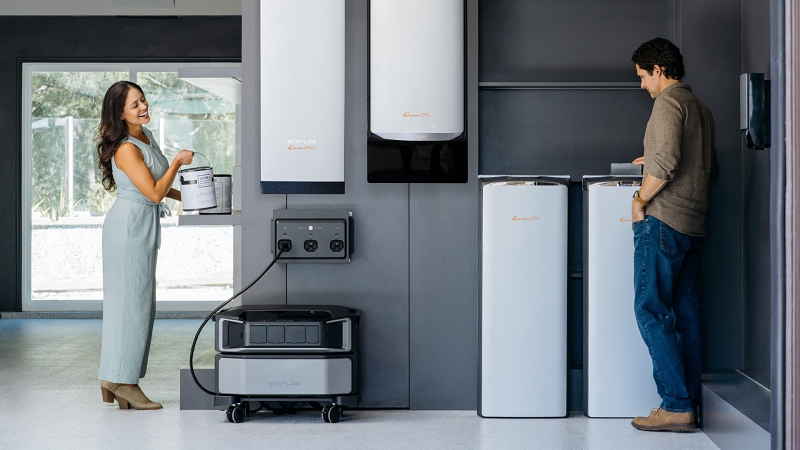
Key features of the EcoFlow Ocean Pro & Ocean Smart Electrical Panel 40:
Seamless whole-home energy management: The system acts as the conductor for your home’s energy orchestra. It integrates the grid with the EcoFlow Ocean Pro battery system (scalable up to 80kWh) and your solar input (supporting a massive 40kW max input). With 8 MPPTs and up to 97.5% efficiency, it ensures every watt of sunshine is used or stored effectively.
Ultra-fast backup (<10ms): During a grid failure, speed is everything. The Ocean Smart Electrical Panel 40 features a switching time of less than 10 milliseconds. This is so fast that sensitive electronics, desktop computers, and medical equipment won't even register a flicker, providing true uninterruptible power.
Built for modern high-capacity demands: While old panels struggle with EVs, the EcoFlow system is built for the 2026 home. It supports a 200A service with a 160A continuous load demand and features a 205A Locked Rotor Amp (LRA) capability, allowing it to kickstart heavy-duty HVAC compressors and heat pumps without a hitch.
The ideal long-term investment:
While the initial price of a smart panel is higher than a legacy swap, the EcoFlow Ocean Pro combined with the Ocean Smart Electrical Panel 40, is a long-term cost-saving engine. By utilizing peak-shaving, the system automatically draws from your Ocean Pro batteries during high-tariff evening hours, shielding you from Time-of-Use utility price hikes.
Furthermore, the energy insights provided by the app allow you to identify vampire loads, appliances that waste power while on standby, allowing you to refine your habits and lower your monthly bill.
Finally, as the real estate market shifts toward sustainable smart homes, an integrated EcoFlow system significantly boosts your property’s resale value, turning a necessary repair into a high-ROI home improvement.
Professional installation vs. DIY: the EcoFlow advantage
As homeowners research "how much does it cost to replace an electrical panel", the temptation to save on labor by attempting a DIY installation often arises. However, it is vital to understand the hard truth: an electrical panel is not a DIY project.
Working with high-voltage mains carries lethal risks, and a single mistake can lead to catastrophic electrical fires. Beyond the physical danger, DIY electrical work often invalidates your homeowner’s insurance and violates strict National Electrical Code (NEC) compliance standards, which can make it impossible to sell your home later.
The EcoFlow professional network
To simplify the stressful search for "how much to replace an electrical panel" with a qualified expert, EcoFlow has established a dedicated network of certified, specialized installers. Choosing an EcoFlow professional offers distinct advantages:
Specialized training: These pros aren't just general electricians; they are specifically trained on the Ocean Smart Panel 40’s advanced logic, energy-shaving algorithms, and complex solar-coupling features.
Efficiency and precision: Because they are factory-trained, certified installers work with a level of efficiency that uncertified contractors cannot match. This often reduces total project hours, potentially lowering the labor portion of your bill.
Warranty protection: Hardware warranties for sophisticated systems like the EcoFlow Ocean Pro are often a prerequisite to professional installation. Using a certified expert ensures your investment is protected for years to come.

Choosing the right electrician
When vetting quotes for "how much does it cost to replace an electrical panel", don't just look at the bottom line. Ensure any contractor you consider is fully licensed and insured in your specific state. Ask for references specifically related to smart panel installations and ensure they handle the permitting process from start to finish.
By prioritizing expertise over the lowest bidder, you ensure the safety and longevity of your home's most critical system.
Signing off
While the national average to replace an electrical panel typically ranges from $1,200 to $4,500, your specific investment will depend on your home's amperage needs and existing infrastructure. However, don't settle for a basic solution.
To truly future-proof your property, prioritize safety and scalability by choosing the EcoFlow Ocean Pro along with the EcoFlow Ocean Smart Electrical Panel 40. This system transforms your home into an intelligent energy hub, offering unparalleled efficiency and backup security.
So, if you are ready to revolutionize your home energy, then visit the EcoFlow website today to find a certified professional near you or just simply request a consultation with our experts right away!
What kind of product or solution are you interested in?

FAQ
1. How much does it cost to replace electrical panel units in older homes?
Older homes cost $2,500 to $6,000 due to necessary code upgrades. The EcoFlow Ocean Smart Electrical Panel 40 simplifies this with its NEMA 3R rating and 40 smart circuits, safely managing modern high-draw loads within existing aged infrastructures.
2. Will homeowners insurance cover electrical panel replacement?
Insurance usually covers damage, not age. However, replacing fire-prone brands with the UL-certified EcoFlow Ocean Pro & Smart Electrical Panel 40 system provides documented safety that can lower premiums and ensure long-term coverage via the safest modern energy technology available.
3. Exactly how much to replace an electrical panel if I want to add an EV charger?
Upgrading for an EV charger costs $2,000 to $4,000. The EcoFlow Ocean Pro and Smart Panel 40 are built for this, handling 160A continuous loads to power your vehicle and home simultaneously without electrical strain.
4. How long does it take an electrician to change a panel?
Standard swaps take 4–8 hours. EcoFlow’s certified professional network utilizes modular architecture and specialized training to streamline the Ocean system's commissioning, significantly reducing home downtime compared to traditional, non-smart electrical installations.
5. How much does it cost to replace the electrical panel with a smart system?
Smart systems range from $5,000 to $15,000. The EcoFlow Ocean Pro + Smart Panel 40 is a high-ROI investment, offering peak-shaving savings and granular monitoring that lowers monthly utility bills while significantly increasing your home’s resale value.
