
How Do You Store Batteries? The Ultimate Guide to Safety and Longevity
Wondering how do you store batteries to prevent leaks, reduced performance, or dangerous hazards? Many homeowners face frustration from corroded alkalines, swollen lithium cells, or batteries that die prematurely, wasting money and leaving you unprepared for outages. Proper storage techniques can extend lifespan and boost safety significantly. For a reliable, no-maintenance long-term solution, the EcoFlow OCEAN Pro stands out as the perfect whole-home energy storage system, ensuring your home stays powered and your family stays safe without manual guesswork.
Why proper battery storage matters
Neglecting your batteries isn't just a minor inconvenience; it can lead to several costly and dangerous outcomes:
Common technical problems: Without the right environment, batteries are prone to leakage and corrosion. Alkaline batteries, in particular, can leak caustic chemicals that permanently destroy the internal circuitry of your expensive electronics.
Safety risks: For high-energy cells like lithium-ion, improper storage can lead to swelling or, in extreme cases, thermal runaway. This is a self-heating cycle that can cause batteries to catch fire or explode if they are stored in high-heat areas or allowed to short-circuit.
Cost impact: Batteries are an investment. Power drain caused by high temperatures or improper contact significantly shortens a battery's shelf life, forcing you into the cycle of premature battery replacement.
Emergency preparedness: In the US, where extreme weather and grid instability are increasingly common, reliable home backup is a necessity. If your stored batteries fail when the grid goes down, your emergency plan fails with them. Proper storage ensures your power is ready the moment you need it.
How do you store batteries safely (General rules)
Mastering the basics of battery organization is the first step toward extending their lifespan and protecting your home. Follow these essential guidelines to ensure your power supply remains stable and safe.
Keep in a cool, dry place: Temperature control is the most critical factor for battery health. Aim for a range between 50–77°F. Excessive humidity can lead to condensation and terminal corrosion, while extreme cold can reduce a battery's ability to hold a charge.
Avoid direct sunlight and heat sources: Keep batteries away from windows, radiators, ovens, or any heat-generating appliances, as elevated temperatures speed up chemical reactions inside the cells, leading to faster degradation, corrosion, or safety issues. Direct sunlight can cause overheating even indoors, so opt for a dark, shaded cabinet or drawer.
Store in original packaging or insulated containers: Keep batteries in their original packaging for protection from moisture, dust, and accidental contact. If that’s not available, store them in non-conductive organizers or vapor-proof containers to prevent terminal contact and short circuits.
Keep terminals covered to prevent short circuits: If batteries must be stored loose, place a small piece of electrical tape over the positive and negative terminals. This prevents them from coming into contact with other batteries or metal objects like coins and paperclips, which can cause a fire.
Separate by type and age: Do not mix alkaline, lithium, and rechargeable batteries in the same container. Additionally, keep new and used batteries separate; a fresh battery can actually discharge into an older one if their terminals touch, draining your new stock before you even use it.
How do you store lithium batteries
How do you store lithium batteries safely for the long term? Lithium-ion and lithium metal batteries demand specific handling to prevent capacity loss, swelling, or thermal runaway risks during extended storage.
Store at 40–60% charge for long-term storage
For the best longevity, maintain lithium batteries at a partial charge level of 40–60% (often called the "storage voltage"). This minimizes stress on the cells and reduces chemical degradation compared to higher or lower states.
Never store fully discharged or fully charged
Storing at 0% charge can lead to deep discharge, causing irreversible damage or inability to recharge safely. Likewise, full 100% charge accelerates calendar aging and increases the risk of swelling or instability over time. Always aim for that mid-range partial charge before putting them away.
Avoid freezing temperatures
Do not store lithium batteries in freezers, unheated garages below 32°F (0°C), or extremely cold environments. Freezing can damage the electrolyte, reduce capacity permanently, or cause plating issues that lead to short circuits upon recharging. Stick to moderate room temperatures (ideally 50–77°F / 10–25°C).
Check every 3–6 months and recharge if needed
Lithium batteries self-discharge slowly even when stored. Monitor voltage or charge level periodically (every 3–6 months), and top up to 40–60% if it drops too low. This prevents deep discharge and keeps the battery healthy for when you need it.
Store away from flammable materials
Keep them in a cool, dry, well-ventilated area, separated from paper, fabrics, chemicals, or other combustibles. In case of rare failure or puncture, this reduces fire spread risk. Use fire-resistant bags or containers designed for lithium batteries if storing larger quantities.
Environmental safety: How do you store used batteries?
Safely storing used batteries prevents household fires and environmental contamination by preventing short circuits. Below are the key practices:
Taping the terminals
This is a critical US EPA recommendation. Before storing or transporting used batteries—especially 9V and lithium types—place a small piece of clear or electrical tape over the terminals. This simple step prevents the terminals from touching other metal surfaces, which is a leading cause of fires in recycling trucks and sorting facilities.
Separate containers
Never toss used batteries in regular kitchen trash, as they pose a significant fire risk in disposal trucks and landfills. Instead, store them in a dedicated non-metal container such as plastic, glass, or cardboard and keep different chemistries in separate bags to prevent dangerous reactions.
Local recycling laws
Most US states prohibit throwing rechargeable and lithium batteries in household trash; instead, recycle them responsibly. Use the Call2Recycle program to locate convenient free drop-off points at major retailers like Home Depot, Lowe’s, Best Buy, Staples, and many local hardware or electronics stores. Simply enter your ZIP code on their website to find the nearest participating location and drop off your used batteries safely.
The smarter long-term storage solution: EcoFlow Ocean Pro

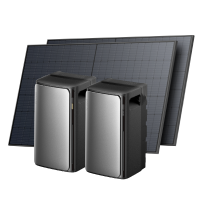
EcoFlow Ocean Pro battery
Whole-home hub: A massive 10kWh to 80kWh storage system (starting with 10kWh per LFP battery unit and scaling up to 8 units) that manages itself without manual intervention. It automatically handles charging, discharging, and optimization via the EcoFlow app, ensuring seamless backup and smart energy use without constant monitoring.
Unmatched solar input: Capture up to 40kW of solar power across 8 MPPT channels, maximizing rooftop solar utilization to store excess energy, reduce utility bills, and provide uninterrupted home backup—even during extended outages or peak demand periods.
Superior performance: Features a 24kW continuous output and 205A LRA surge power, capable of effortlessly running demanding loads like dual 5-ton HVAC systems, EV chargers, pool pumps, or your entire home without compromise during blackouts.
US-grade reliability: Specifically engineered for the diverse American climate, it features 360° Aerogel insulation and IP67 waterproofing, allowing it to perform optimally in temperatures ranging from -4°F to 140°F.
15-year peace of mind: Your investment is protected by an industry-leading 15-year warranty and the rigorous UL 9540B fire safety certification, providing the ultimate in long-term reliability and safety for your household.
Common battery storage mistakes to avoid
Even with the best intentions, small oversights can lead to dead cells or damaged hardware. Avoiding these common pitfalls will ensure your batteries remain safe and ready for action.
Storing in hot garages or vehicles
Heat above 77°F (25°C) dramatically speeds up self-discharge, chemical degradation, corrosion, and leakage—especially in summer, when garage or car interiors can exceed 100–140°F. This is one of the fastest ways to ruin batteries prematurely.
Mixing old and new batteries
When you mix batteries of different ages or brands in the same device or storage container, the stronger batteries can force the weaker ones to over-discharge. This "imbalance" often leads to leakage and ruins the entire set.
Leaving batteries inside unused devices
Batteries left in flashlights, remotes, toys, or gadgets for months/years slowly leak corrosive chemicals that damage contacts and internals—even if the device is off. Remove batteries from infrequently used items and store them separately.
Storing loose batteries in drawers
Tossing unprotected batteries into junk drawers lets terminals touch coins, keys, tools, or other metal objects, easily causing short circuits, sparks, overheating, or fires—particularly dangerous with lithium or damaged batteries.
Conclusion
Mastering how do you store batteries long term is about more than just simple organization; it is a vital practice for maintaining home safety and maximizing your investment. By prioritizing temperature control, securing terminals with tape, and separating chemistries, you prevent dangerous leaks and ensure your power is ready when you need it most. While small-scale battery care requires consistent attention, the EcoFlow Ocean Pro provides the ultimate "set it and forget it" storage experience. It offers modern US homes a powerful, self-regulating, and future-proof energy solution that eliminates the stress of manual battery management while keeping your lights on through any event. Ready to upgrade your home’s energy resilience? Schedule a professional consultation today to see how the EcoFlow Ocean Pro can provide a customized, worry-free power solution for your household.
What kind of product or solution are you interested in?


FAQs
1. Should you store batteries in the refrigerator or freezer?
No—refrigeration or freezing is not recommended. It can cause condensation when batteries warm up, leading to corrosion or reduced performance. Store at cool room temperature (50–77°F) in a dry place instead for best results.
2. What is the best way to store lithium batteries for a long time?
Keep them at a 40–60% charge in a climate-controlled area. Avoid storing them fully depleted or at 100% capacity, and check the charge every few months to ensure they haven't dropped to zero, which can permanently damage the cells.
3. Is it safe to store different types of batteries together?
It is best to separate them. If different chemistries like alkaline and lithium touch, they can discharge at different rates or leak. Use individual bags or plastic organizers to keep them isolated and prevent accidental short-circuiting.
4. How to store batteries when not in use?
Remove them from their devices to prevent "vampire" drain and leakage. Place them in their original packaging or a non-conductive plastic case, ensuring the terminals are covered or taped to prevent contact with other batteries or metal.
5. What temperature is best for long-term battery storage?
The ideal temperature is between 50°F and 77°F. Staying within this range minimizes self-discharge and preserves chemical stability. Avoid garages or attics where temperatures fluctuate wildly, as extreme heat is the primary cause of failure.
