
Do Batteries Expire: A Guide to Shelf Life for Every Battery
Do batteries expire, or can you safely use them for years? Since batteries power almost every aspect of our lives, understanding their lifespan and expiration date is mandatory. Unlike other things that come with an exact expiration date, batteries work differently. While most batteries ensure long-lasting performance, their life actually depends on various factors, such as battery type, storage conditions, and manufacturing data. In this guide, we'll cover everything about battery expiration dates, the shelf life of different battery types, and how a smart solution, EcoFlow Ocean Pro, can offer long-term reliability.
Do batteries have an expiration date?
Well, the answer is yes, but it's closely related to its shelf life. In most scenarios, batteries' shelf life offers a performance guarantee and not a strict discard date. It refers to the total time a battery can sit unused before performance significantly declines. Batteries' expiration date, or you can say the shelf life, mainly depends on their chemistry specifics. Batteries lose charge over time due to internal chemical reactions that slowly degrade active materials, even when not in use. Manufacturers determine expiration dates through controlled testing, measuring self-discharge rates, capacity retention, and performance under standardized temperature and storage conditions
Types of batteries & their shelf life
The answer to - "Do unused batteries expire", lies in their type and shelf life. Scroll down to learn about different battery types, their expiry period, and factors affecting their shelf life.
Alkaline batteries
Alkaline batteries are the most popular kinds, such as AA and AAA batteries, and have a relatively long shelf life. Their expected shelf life is generally 5–10 years, with high-quality brands reaching up to 12 years, if kept unopened and properly stored.
The factor that affects the shelf life of alkaline batteries the most is the ambient temperature. These batteries self-discharge slowly, thus losing 2-3% of their energy every year. So, if you have wondered Do batteries expire if not used, then alkaline batteries are the best example of losing energy without even being used.
To know if these batteries are still working or not, you can check the printed expiration date, inspect for leakage or swelling, and test voltage with a battery tester.
Lithium-Ion batteries
Lithium-ion batteries are an extremely used option, with a lower shelf life of 2-4 years. These batteries power phones, laptops, and energy storage systems. Unlike alkaline batteries, they age even when unused due to internal chemical breakdown.
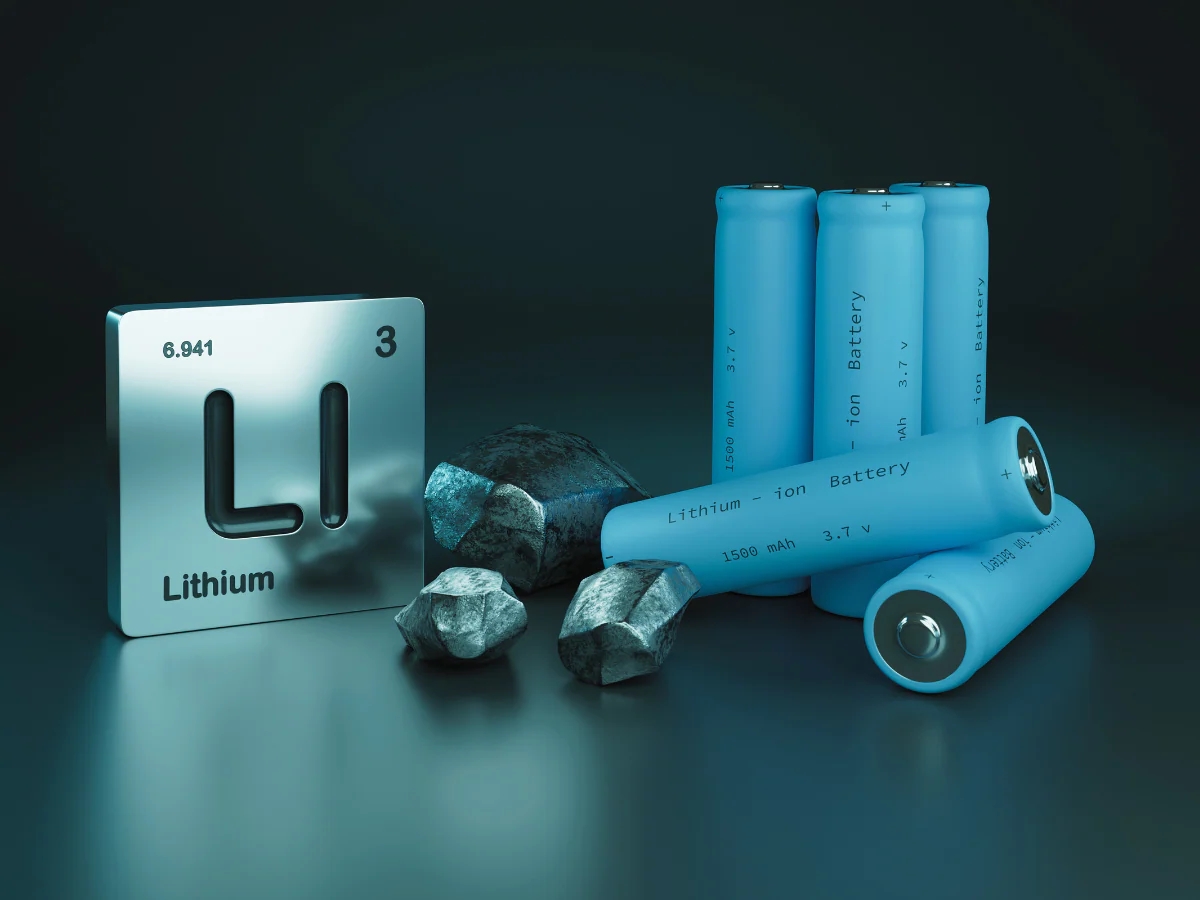
So, if you are wondering - Do lithium batteries expire, the answer is yes. They do, but their lifespan depends on charge cycles (number of full charge/discharge uses).
Lead-acid batteries
Lead-acid batteries are commonly used in cars and backup power systems. They generally last 3–5 years and must be stored in a charged state to prevent sulfation. The lifespan depends on maintenance, climate, and charging habits. Proper charging and avoiding deep discharges can significantly extend their lifespan.
Nickel-metal hydride (NiMH) batteries
Nickel-metal hydride (NiMH) batteries are commonly used in rechargeable household devices such as digital cameras, remote controls, wireless keyboards, gaming controllers, toys, and portable electronics. These batteries have no clear shelf life; hence, their life is usually evaluated by cycle count (500–1000 cycles) and calendar life (3–5 years).
What affects battery life during storage
Temperature
Temperature is one of the biggest factors affecting battery life. High heat accelerates internal chemical reactions, causing faster self-discharge and degradation of battery materials. Extremely cold temperatures can temporarily reduce performance and, in some cases, damage certain battery chemistries.
Physical contact
Loose batteries stored together can touch at the terminals, potentially causing short circuits. This can drain power, generate heat, or even create safety risks. Storing batteries in their original packaging or keeping terminal ends covered prevents accidental discharge and preserves capacity.
Humidity and Environment
High humidity can lead to corrosion, leakage, or rust on battery terminals. Moisture exposure may damage both the battery casing and internal components. Storing batteries in a dry, well-ventilated area helps protect them from environmental damage and extends their usable life.
EcoFlow Ocean Pro batteries: A smart solution

EcoFlow Ocean Pro
How It Works
This all-in-one home energy system supports 400V DC coupling with 5% higher generation efficiency than conventional AC solutions. Its large modular LFP battery starts at 10 kWh per unit and expandable to 80 kWh storage capacity, thus ensuring reliable backup for any scenario.
EcoFlow Ocean Pro is engineered to perform in temperatures from -4°F to 140°F and features an advanced Battery Management System that continuously monitors every cell and connection point for overheating risks.
How Ocean Pro batteries offer long-term reliability
One-Touch Emergency Power-Off: Ocean Pro offers a one-touch emergency power-off option that allows you to shut down the system in one click. This feature enhances safety during electrical faults or maintenance emergencies.
Built-in AFCI AI (arc fault protection): It integrates AI-powered Arc Fault Circuit Interruption (AFCI) technology that actively detects dangerous arc faults that could lead to electrical fires and automatically interrupts the circuit to prevent damage.
GFCI (ground fault protection): The built-in Ground Fault Circuit Interrupter (GFCI) protects against electrical leakage and shock hazards by cutting power when abnormal current flow is detected.
Door Open Detection for service safety-Decoupled design, independent charge/discharge per battery: Ocean Pro features a door open detection feature to enhance safety. It can trigger safety protocols to protect technicians during inspection or maintenance, reducing risk during servicing. Besides, it features a docoupled design, which means that each battery module operates independently with separate charge and discharge control.
No full system shutdown = zero downtime-30 days Advance Alarm: With Ocean Pro, you can get early diagnostic alerts up to 30 days in advance, allowing proactive maintenance before issues escalate.
Best practices for battery storage for different chemical systems
The right temperature matters
Always store the battery at the right temperature to improve its performance as well as its lifespan. You must require an average temperature, neither extreme cold nor extreme hot. High heat accelerates chemical degradation, while extreme colds can reduce performance or cause damage.
Control humidity levels
Moisture can corrode terminals and damage battery casings. Over time, humidity exposure may cause leakage or rust, especially in alkaline and lead-acid batteries. Hence, it is always advised to store batteries in a dry area with low humidity. Keeping them in original packaging or sealed containers adds extra protection.
Avoid full discharge before storage
When storing batteries, it's often advised to keep rechargables, like lithium-ion and NiMH, with partial charge, typically 40–60%. For lead-acid batteries, keep them fully charged during storage and recharge periodically to prevent sulfation. Storing fully discharged batteries can lead to capacity loss or deep discharge damage.
Prevent physical contact between terminals
If you are into batteries, then you must know the fact that loose terminals touching each other may short-circuit, eventually causing energy drain or overheating. Hence, it's advised to prevent any physical contact between terminals to prevent such scenarios. Keep them in original packaging or use terminal covers to prevent accidental contact.
Check batteries periodically
If you are still thinking - Do batteries expire, then give them a periodic check to get your answer practically. For long-term storage, inspect batteries every few months. Check for swelling, leakage, corrosion, or voltage drop. Recharge rechargeable batteries periodically to maintain healthy charge levels.
Conclusion
That's all about it. We hope our guide has answered the most-asked question - Do batteries expire. While the batteries never come with an exact discard date, they do have a shelf life that you must understand before keeping them for a longer span. Some batteries, like lithium and alkaline, come with a massive shelf life while nickel metal hydride batteries will get discharged easily. To enhance the battery lifespan, try to store them at an appropriate temperature and prevent any physical touch of loose terminals.
Want to enjoy long-lasting battery life? Turn to EcoFlow Ocean Pro and stay in power. Request a consultation with our experts and switch to a better home energy system.
What kind of product or solution are you interested in?

FAQs
Can I still use batteries after their expiration date?
Yes, you can use batteries after their expiration date; however, their performance may vary drastically. They may hold less charge or deliver weaker output. If you are looking for strong, long-lasting performance, EcoFlow Ocean Pro can help. It uses advanced battery management and monitoring to ensure reliable performance beyond basic shelf-life concerns.
Do unused batteries expire?
Yes, absolutely. Batteries do expire if they are unused for a long time. Some batteries, like alkaline batteries self-discharge, thus losing 2-3% energy every year. However, that's not the problem with EcoFlow Ocean Pro. It is designed with intelligent battery management to minimize degradation and maintain long-term performance.
How long are unused batteries good for?
Unused batteries aren't good for a long time, and the exact lifespan of such batteries depends on their shelf life and chemistry specific. While alkaline batteries may last 5–10 years, lead-acid typically 3–5 years in storage. High-quality LFP battery systems, like those used in EcoFlow Ocean Pro, are engineered for extended lifespan and better stability compared to traditional chemistries.
How to tell if a battery is expired?
There are some signs you need to follow to check if the battery has hit its discard date, such as manufacturing date, leakage, swelling, or corrosion. In advanced systems such as EcoFlow Ocean Pro, built-in diagnostics and monitoring tools automatically detect performance issues before they become critical.
How long can I store my batteries?
It depends on battery chemistry, type, storage conditions, and its shelf life. For example, you can store alkaline batteries for 5-10 years but lead-based options for only 3-5 years. For long-term home energy storage, EcoFlow Ocean Pro’s temperature-resistant design and Battery Management System help maintain battery health even during extended standby periods.
