
When Should You Add Battery Storage to Your Solar System?

Solar panels are great, but they only work when the sun is shining. What happens at night or during a power outage? That's where a solar energy storage system comes in. Adding batteries to your solar setup lets you store extra power for later use. But when is the right time to add battery storage? Identifying the right moment to expand your capacity is the key to maximizing your investment and achieving true energy independence.
Strategic Signals for a Solar Energy Storage System
For years, the standard approach was to install panels and sell excess power back to the grid. However, as we move into 2026, the reliability of public utilities has decreased, making the "when" less about luxury and more about essential home infrastructure.
Evolution of Home Energy From Panels to Storage
The first wave of solar adoption was about production—maximizing the number of kilowatt-hours generated. We are now in the second wave, which is focused on control. Adding solar panel batteries for home use allows you to capture the noon-time energy that would otherwise be wasted or sold for pennies and use it when it is actually needed.
Goals of a Modern Energy Independent Household
Energy independence is the primary driver for most upgrades. A household achieves true independence when it no longer fears a sunset or a local substation failure. If your goal is to maintain a seamless lifestyle regardless of external conditions, the integration of a battery bank is the final, necessary step in your solar house plan.
What kind of product or solution are you interested in?

Situation 1: Financial Savings with Solar Panel Batteries for Home
The math behind solar has changed significantly. While environmental benefits are a great motivator, the financial return on investment (ROI) is what ultimately determines the timing. If your local utility has recently updated its rate structure, the time to act is likely now.
Net Metering 3.0 and the Decrease in Export Credits
In many regions, policies like NEM 3.0 have drastically reduced the credit homeowners receive for sending solar power back to the grid. Selling power at a low rate only to buy it back at a high rate at night is no longer sustainable. By installing solar panel batteries for home use, you stop donating your energy and start hoarding it for your own benefit.
Time of Use Rates and Peak Hour Consumption
Utility companies often charge Time of Use (TOU) rates, where electricity is significantly more expensive during the evening. A solar energy storage system allows for peak shaving, using your stored, free solar energy during those expensive hours to avoid the utility's highest prices.
Situation 2: Grid Protection With a Solar Energy Storage System
The physical stability of the national grid is a growing concern. As infrastructure ages, the lights staying on is no longer a guarantee. If your area has experienced even one unexpected blackout or a Public Safety Power Shutoff in the last year, you have already received your signal to upgrade.
Resilience Against Extreme Weather Events and Wildfires
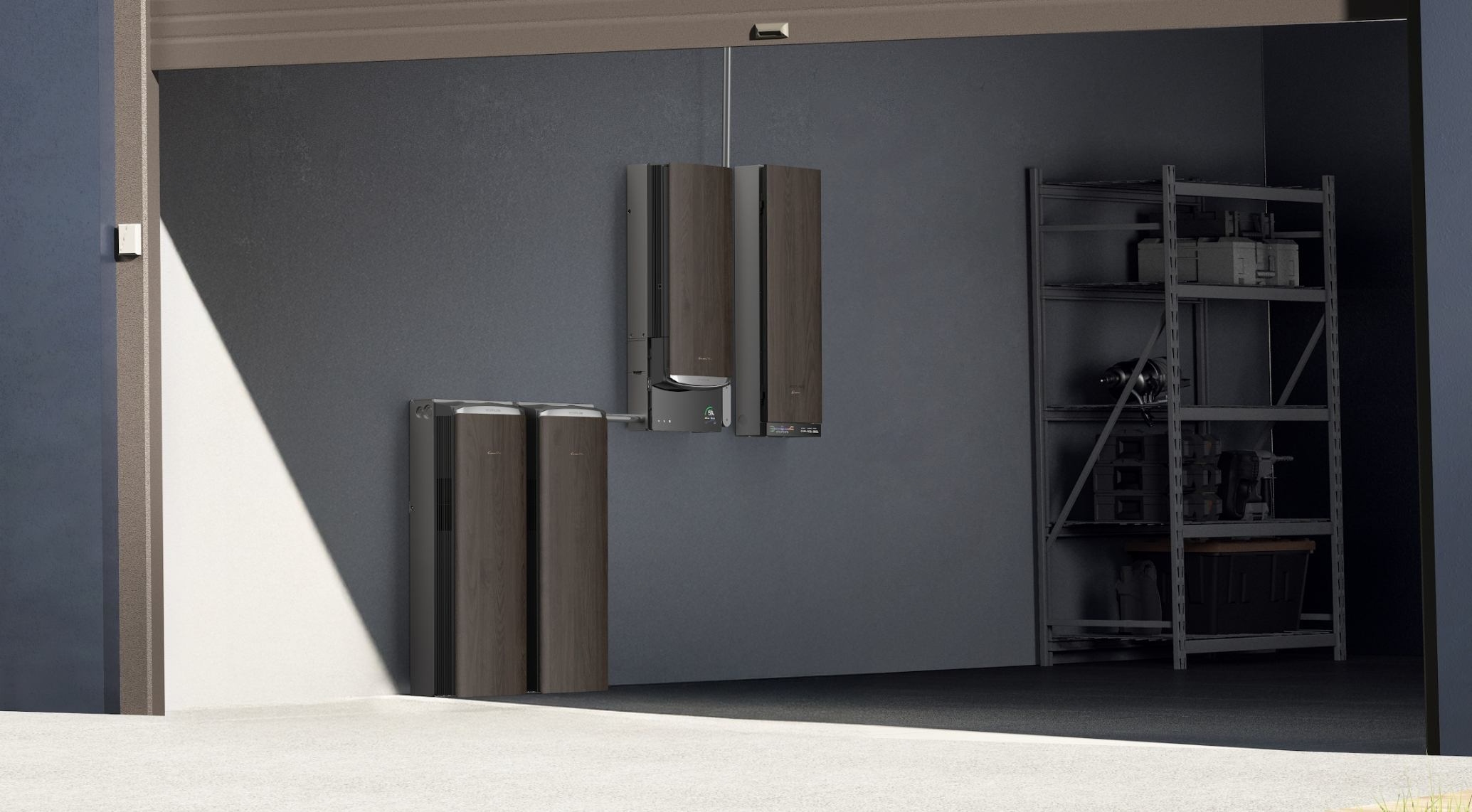
Modern homeowners in high-risk zones view a solar panel battery bank for home use as an insurance policy. When the grid is de-energized for safety, a battery-equipped home creates its own energy island. This keeps essential medical equipment, refrigerators, and security systems running without interruption.
Automatic Transition During Local Power Outages
The beauty of a professional solar energy storage system is the speed of the switch. High-end systems can detect a grid failure and transition to battery power in milliseconds. This level of protection is impossible with panels alone, as standard grid-tied inverters are required by law to shut down during a blackout unless a battery is present.
Situation 3: Larger Solar Panel Battery Bank for Home Needs
A change in your lifestyle often dictates a change in your energy needs. As we electrify our lives by moving away from gas and toward high-capacity electrical systems, the demand on your home's reserves increases.
Electric Vehicle Charging and Increased Household Demand
A new Electric Vehicle (EV) is one of the most common reasons to expand a solar panel battery bank for home use. Charging an EV requires a massive amount of energy, typically overnight. A large storage system allows you to fuel your vehicle with the sun, even at 2 AM, ensuring you never pay premium grid prices for your commute.
Support for High-Load Appliances Like HVAC Systems
Home expansions or the installation of heat pumps and central air conditioning significantly increase peak loads. If your current solar setup struggles to keep up with the surge of a starting AC compressor, it is time to look at a high-output storage solution. This ensures your heavy appliances do not trip your system or force you back onto the grid during peak heat.
Situation 4: Seasonal Plans for a Solar Energy Storage System
Solar installations are not instantaneous; they require permits, inspections, and professional labor. Strategic planning ensures your system is live before you actually need it.
Preparation Before the Storm and Wildfire Seasons
The worst time to realize you need a battery is during a blackout. Professional installers often see a massive surge in demand right after a major storm, leading to long backlogs. The ideal window for a solar energy storage system installation is during the shoulder seasons of spring and autumn, ensuring you are fully tested before extreme weather hits.
Professional Timelines for Permits and Installation
A professional installation is a complex process involving electrical engineering and local bureaucracy. From the initial consultation to the final city sign-off, the process can take several weeks. Planning your upgrade now ensures that the technical work is done by certified professionals who can optimize your system's logic and safety parameters.
Premium Solar Panel Batteries for Home Standards
When you decide the time is right, the focus shifts to the quality of technology. Not all batteries are created equal, and for a whole-home solution, the standards must be exceptionally high.
Thermal Resilience and High Performance Markers
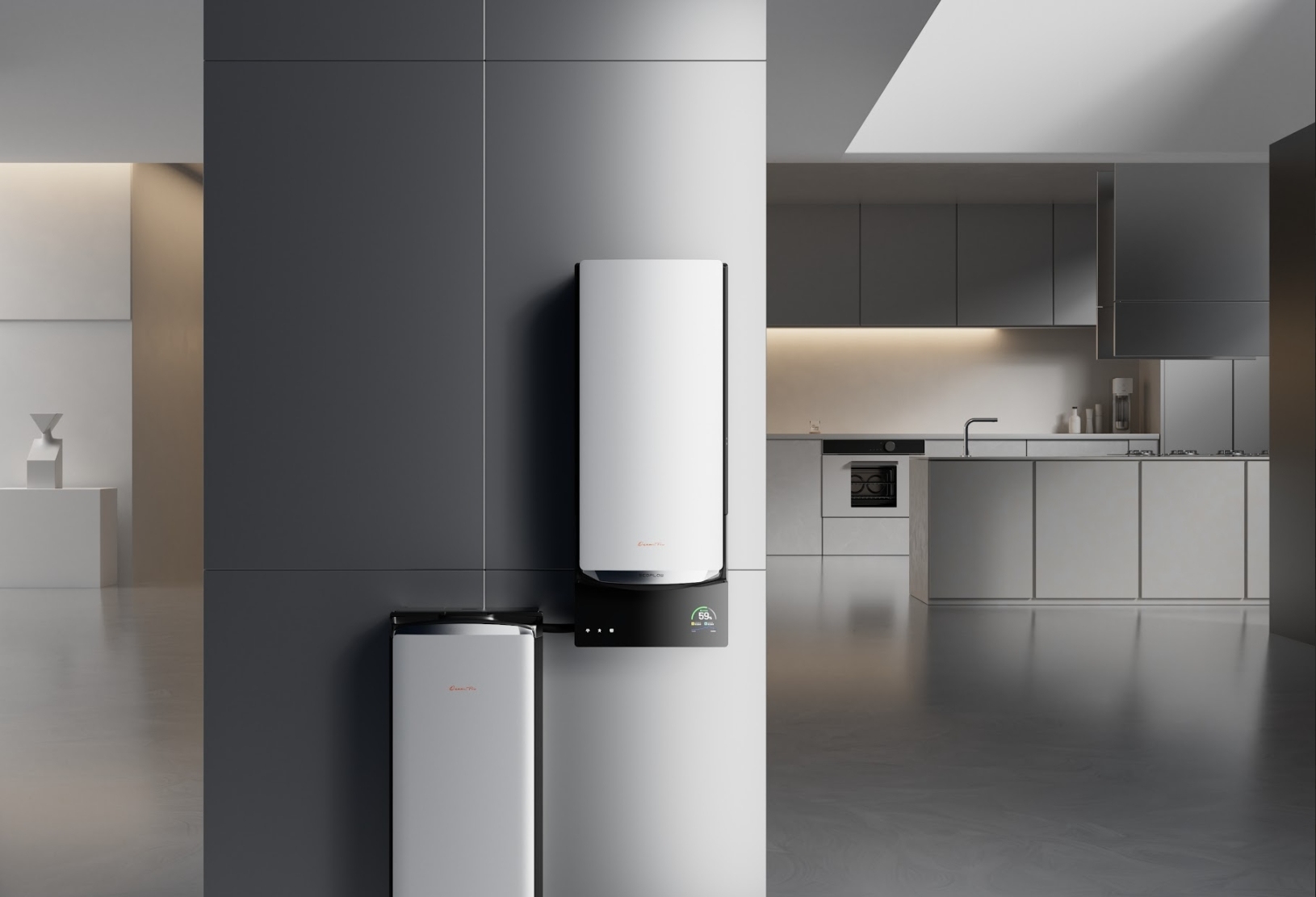
High-end systems are designed to exist in the real world. For instance, the EcoFlow OCEAN Pro sets a professional benchmark by using 360° aerogel insulation. This allows the system to maintain reliable performance in temperatures as low as -4°F, which is a critical feature for northern climates. With a massive 24kW continuous output, it can handle the heavy surges of a modern home without issue.
Certified Installation and Long-Term Warrant Security
A solar energy storage system is a high-voltage piece of equipment. Because of this, premium systems like the EcoFlow OCEAN Pro are integrated exclusively by certified professional installers. This professional-only approach ensures that the modular battery system (expandable from 10kWh to 80kWh) is balanced correctly and that the industry-leading 15-year warranty remains fully intact.
Secure Your Professional Solar Energy Storage System Consultation
Switching to a home with a battery backup is the best thing that can be done for any property owner. It turns an idle way to save money into a powerful tool that protects your family, your money, and your way of life. You can make sure your home is ready for whatever the energy landscape brings by planning your construction around the needs of the season and the availability of professionals. Don't wait for the next blackout to achieve true independence. Get a Quote today to begin your journey toward a smarter, more resilient, and self-sustaining energy future.
FAQs
Q1. What Is a Solar Energy Storage System?
A solar energy storage system is a battery that saves the electricity your solar panels make during the day. When the grid goes down or at night, you can use this saved energy. These days, inverters and batteries work together to power the entire house. This implies that the clean energy generated by your panels during sunny hours is not wasted.
Q2. Can You Leave the Solar Hooked to the Battery When Full?
Yes. The battery has a smart management system that stops charging when it's full. It won't overcharge or damage the battery. Your solar panels can stay connected all the time safely. Once the battery reaches 100%, the system intelligently manages the energy flow, prioritizing your home's real-time power needs or safely curtailing excess generation to protect the battery cells.
Q3. Can I Add Solar Panel Batteries for Home Use to an Existing System?
Yes. By adopting a technique known as AC coupling, a skilled installer can add batteries to practically any current solar system. It is not necessary to replace your existing panels. The battery will be connected by the installer to your setup, allowing you to begin energy storage immediately. Usually, this upgrade takes a few days to finish.
Q4. Is a Solar Energy Storage System a DIY Project?
No. These high-voltage installations require building permits. This work should only be done by certified installers. Installing things yourself can be risky and will void your warranty. Professional installers are familiar with the safety and building requirements in your area. They also check to make sure that everything functions well with the electrical system in your home.
Q5. Do Batteries Work if the Solar Panels Are Covered in Snow?
Yes, as long as the battery still has some charge in it. Snow stops solar panels from creating new power, but a big battery bank can keep your home running for a few days until the snow melts. When solar panels can't make electricity, the battery works like a backup gasoline tank. This is why it's important to pick the correct size battery for your environment.
